How Heavy Duty Centrifugal Fan Housing Reinforcement Prevents Metal Fatigue in 24/7 Operations
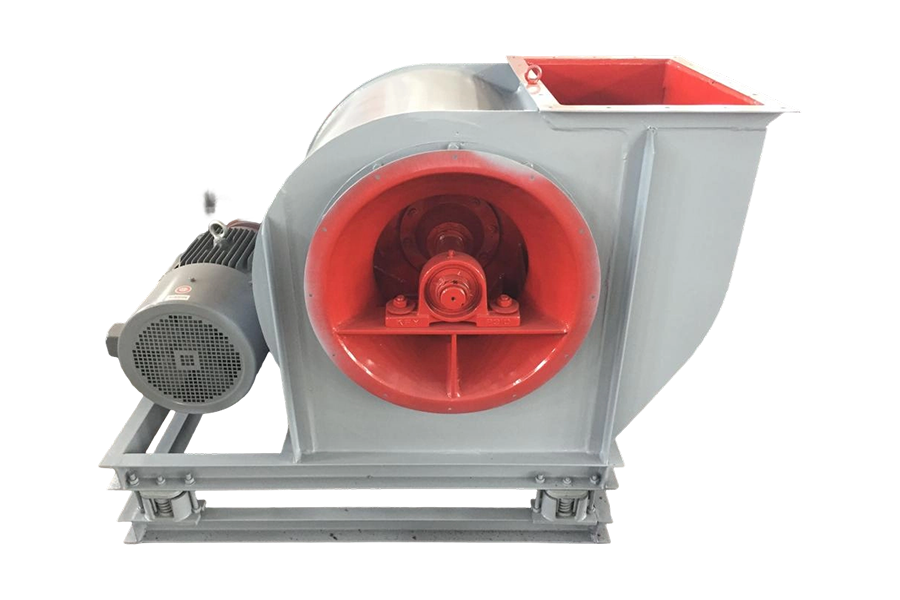
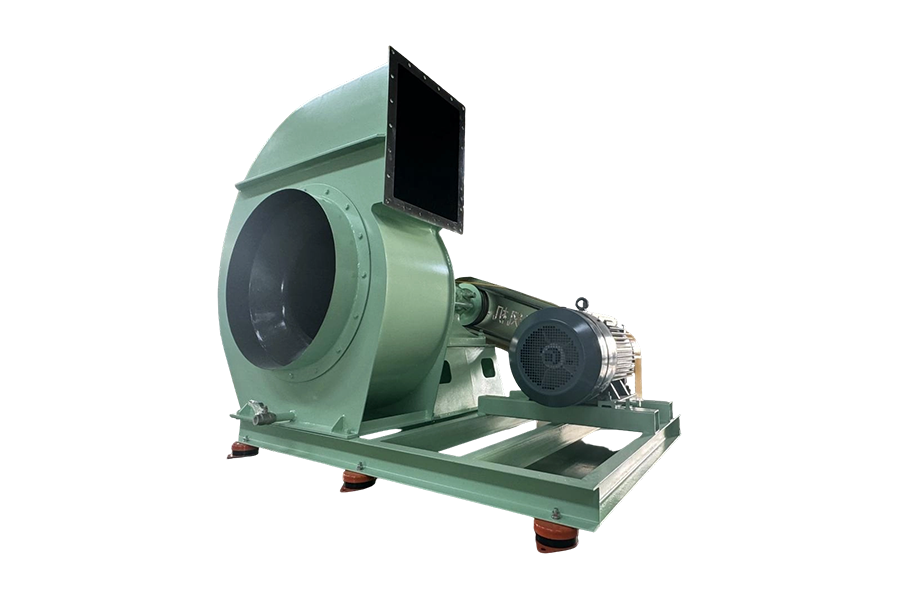
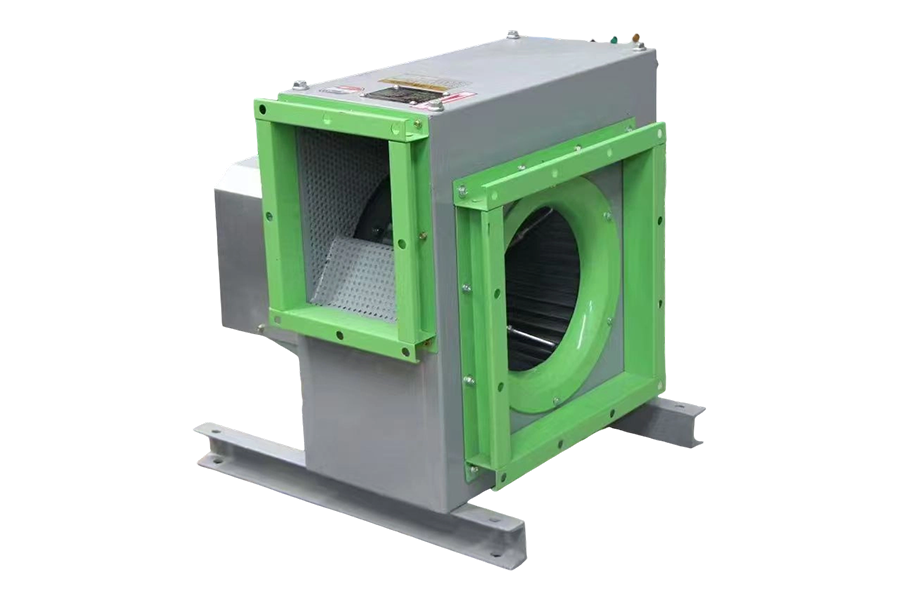
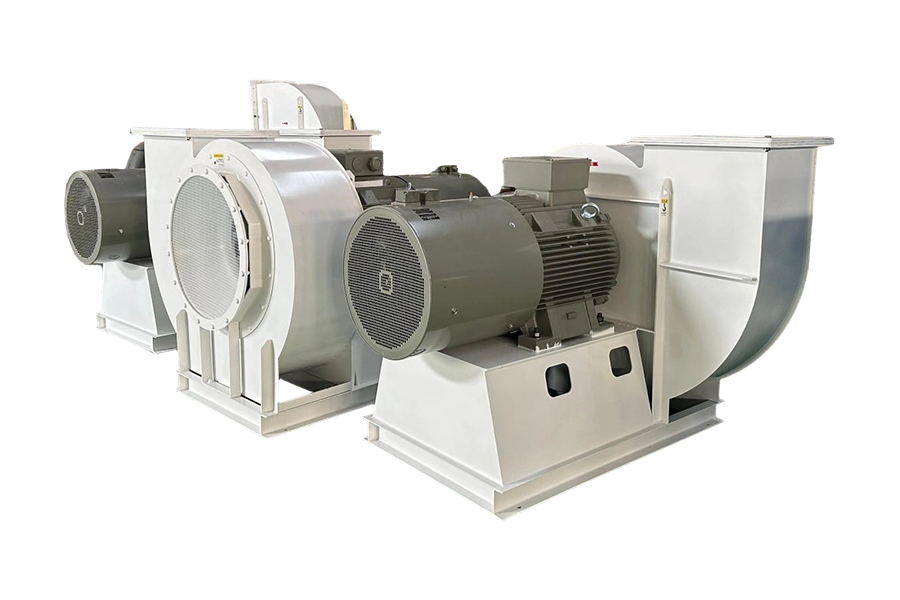
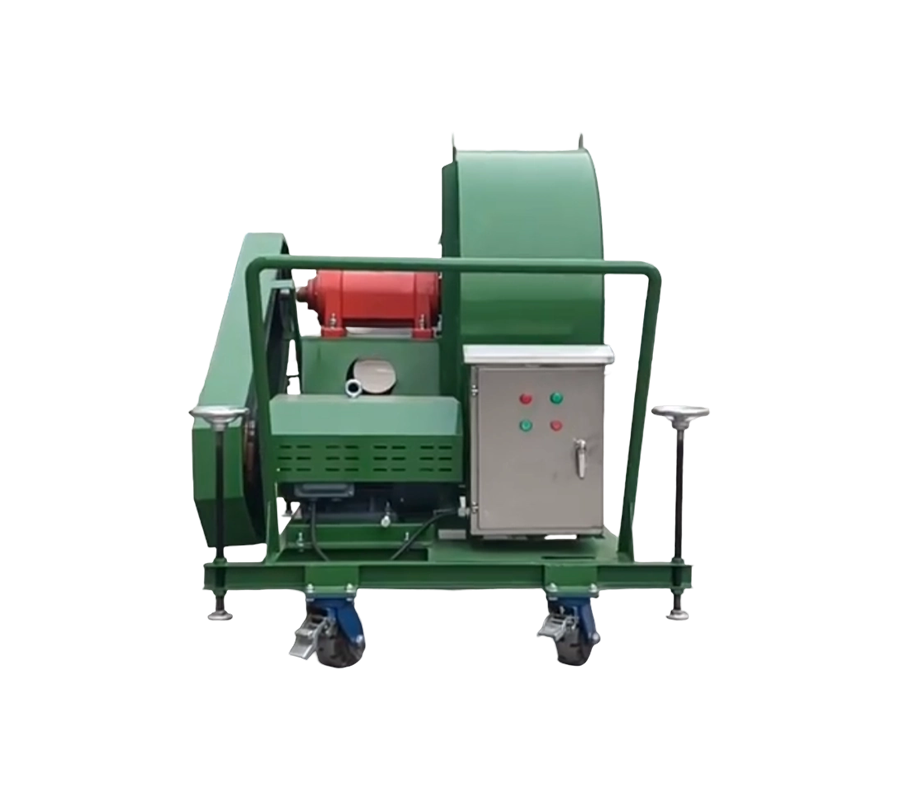
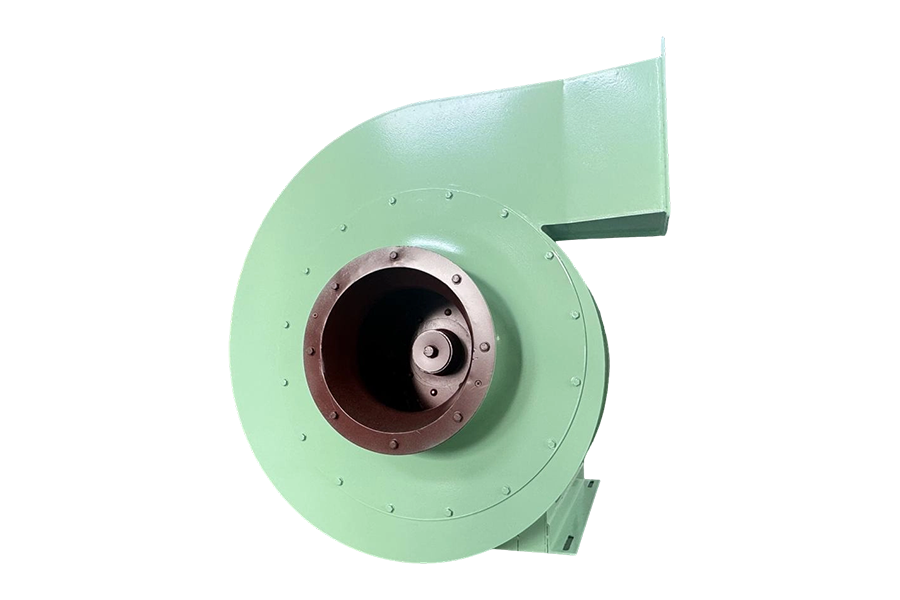
In high-intensity industrial applications—such as steel smelting, power generation, and waste incineration—a Heavy Duty Centrifugal Fan must withstand continuous 24/7 operation. The constant pressure fluctuations and centrifugal forces can lead to metal fatigue, eventually causing structural cracks. Jiangsu ZT Fan Co., Ltd., established in 1990, leverages over three decades of R&D and manufacturing expertise to engineer reinforced housing solutions that ensure long-term structural integrity in the most demanding environments.
1. Structural Reinforcement: The Grid-Stiffener Approach
To prevent the housing "breathing" effect caused by pressure pulses, Jiangsu ZT Fan Co., Ltd. employs a strategic grid-stiffener design. By adding vertical and horizontal carbon steel or alloy ribs to the casing exterior, the natural frequency of the housing is shifted away from the operational frequency, significantly reducing vibration-induced fatigue.
- Thick-Plate Construction: We use heavy-gauge steel plates (often exceeding standard industrial thickness by 25-50%) to increase the basic stiffness of the scroll.
- Stress Concentration Relief: All welding seams undergo specialized treatment to eliminate residual stress, preventing the microscopic cracks that typically start at joint corners.
2. Dynamic Stability and Vibration Damping
Continuous operation at power plants or lithium battery material lines requires extreme precision. A general used centrifugal fans might suffice for light ventilation, but heavy-duty versions require integrated pedestals.
- Dual-Plate Housing: For ultra-high pressure applications, Jiangsu ZT Fan Co., Ltd. designs double-layered casings that provide an extra safety margin and acoustic insulation.
- Reinforced Inlet Cones: The inlet is a high-stress area; we reinforce this section with forged rings to maintain concentricity even under thermal expansion.
3. Comparison: Heavy-Duty Reinforced Housing vs. Standard Housing
The following parameters demonstrate why the reinforced design from Jiangsu ZT Fan Co., Ltd. is essential for 24/7 heavy industrial use:
| Technical Feature |
Standard Centrifugal Fan |
ZT Fan Heavy-Duty Series |
Benefit for 24/7 Operation |
| Casing Thickness |
4mm - 6mm |
8mm - 16mm+ |
Prevents elastic deformation and "panting." |
| Reinforcement Style |
Minimal / Spot welding |
Full-perimeter rib grid |
Distributes stress uniformly across the structure. |
| Welding Standard |
Standard industrial weld |
Full penetration / Stress relieved |
Eliminates the starting points of metal fatigue. |
| Vibration Limit |
< 4.5 mm/s |
< 2.5 mm/s |
Significantly extends the life of the motor and bearings. |
Frequently Asked Questions (FAQ)
Q1: How does Jiangsu ZT Fan Co., Ltd. ensure its fans don't fail in solid waste or liquid incineration systems?
A: Incineration environments involve both high temperatures and corrosive gases. Jiangsu ZT Fan Co., Ltd. integrates heat-resistant alloys with reinforced housing designs. By using specialized R&D to simulate thermal stress, we ensure that the casing can expand and contract without warping, maintaining the 24/7 reliability required for pollutant emission treatment systems.
Q2: Can the heavy-duty design handle the high dust loads found in steel mills and metal smelting?
A: Yes. In steel mill applications, the housing is not only reinforced against fatigue but also equipped with replaceable wear liners. Jiangsu ZT Fan Co., Ltd., since its founding in 1990, has designed fans specifically for high-dust environments, ensuring that the structural reinforcement remains intact even as internal components face abrasive particulates.
Q3: Why is the after-sales service of Jiangsu ZT Fan Co., Ltd. important for heavy-duty fan users?
A: Metal fatigue is a cumulative process. Jiangsu ZT Fan Co., Ltd. provides comprehensive after-sales service, including periodic vibration analysis and structural health checks. This is vital for pharmaceutical or chemical enterprises where a fan failure could lead to hazardous leaks. Our proactive monitoring helps detect early signs of stress before they lead to operational downtime.
The Fundamental Differences in Pressure Levels Between Centrifugal Blowers and Standard Centrifugal Fans
In the world of industrial air moving equipment, the terms "fan" and "blower" are often used interchangeably by the public, but they represent distinct engineering categories. Jiangsu ZT Fan Co., Ltd., a professional manufacturer established in 1990, specializes in distinguishing these nuances to provide the perfect solution for diverse applications, from lithium battery production lines to complex waste incineration systems.
1. Defining the Pressure Gradient
The primary distinction lies in the specific ratio (the ratio of discharge pressure to suction pressure). According to international standards:
- Standard Centrifugal Fan: These are designed for high-volume air movement at relatively low pressures. They typically handle pressures up to 10 kPa. They are the workhorses for factory exhaust treatment and dust collectors.
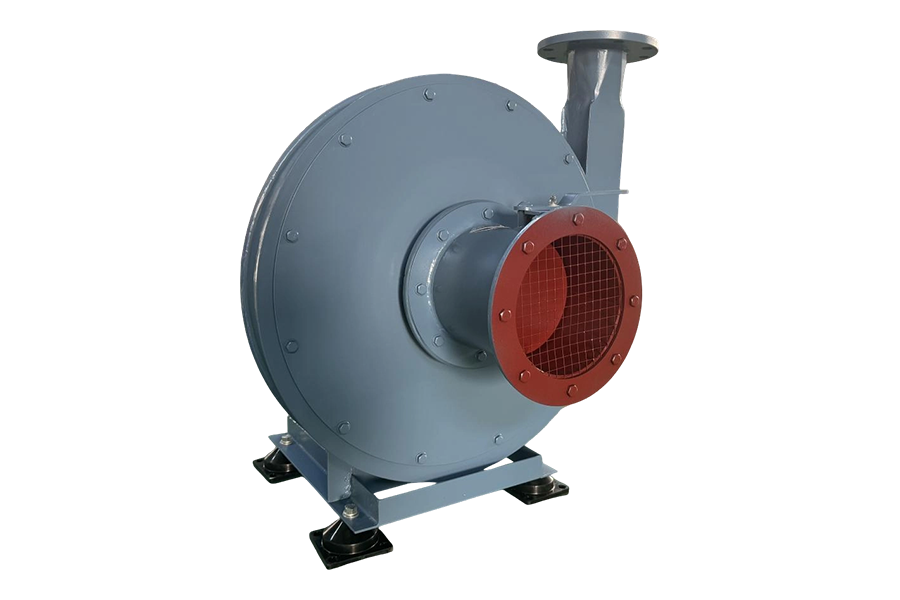
- Centrifugal Blower: A Centrifugal Blower operates in the "middle ground" between a fan and a compressor. It is engineered to overcome high system resistance, typically delivering pressures ranging from 10 kPa to over 30 kPa.
2. Engineering and Design Variance
To achieve higher pressure levels, Jiangsu ZT Fan Co., Ltd. implements specific design modifications in blowers that differ from standard fans:
- Impeller Geometry: Blower impellers are often narrower and rotate at higher RPMs. The blades are designed for higher tip speeds to impart more kinetic energy into the gas stream.
- Housing Tightness: Because they operate at higher pressures, blower casings require tighter tolerances and superior sealing to prevent backflow and internal leakage, a specialty of Jiangsu ZT Fan Co., Ltd. since its founding.
- Mechanical Strength: Blowers are built with heavy-duty shafts and bearings to withstand the increased thrust loads associated with higher discharge pressures.
3. Parameter Comparison: Fan vs. Blower
The following table illustrates the typical performance metrics used by Jiangsu ZT Fan Co., Ltd. when consulting for chemical enterprises and steel mills:
| Feature |
Standard Centrifugal Fan |
Centrifugal Blower |
Primary Application |
| Pressure Range |
Low (up to 10 kPa) |
Medium (10 kPa - 30+ kPa) |
Overcoming pipeline friction |
| Flow Rate |
Very High |
Medium to High |
Moving air vs. compressing air |
| Efficiency Focus |
Airflow Volume Efficiency |
Static Pressure Efficiency |
Energy saving in high-drag systems |
| Construction |
Light to Medium Gauge Steel |
Heavy Reinforced Gauge / Cast |
Durability under compression |
Frequently Asked Questions (FAQ)
Q1: For a VOC treatment system in a paint booth, should I use a fan or a blower?
A: Usually, a standard centrifugal fan is sufficient for VOC exhaust due to the large volumes of air and relatively short ductwork. However, if your treatment system includes dense carbon filters or complex scrubbers with high resistance, Jiangsu ZT Fan Co., Ltd. will evaluate the total system static pressure. If it exceeds 10 kPa, our R&D team will recommend a Centrifugal Blower to ensure the pollutants are successfully moved through the filtration media.
Q2: Why does Jiangsu ZT Fan Co., Ltd. emphasize pressure levels for solid waste incineration?
A: In incineration systems, air must be forced through fuel beds and complex emission treatment stages. A standard fan may "stall" or operate inefficiently if the backpressure is too high. Jiangsu ZT Fan Co., Ltd., with its experience since 1990, designs high-pressure blowers specifically for these solid waste systems to maintain the precise oxygen levels needed for complete combustion and pollutant neutralization.
Q3: How does the after-sales service of Jiangsu ZT Fan Co., Ltd. differ between fans and blowers?
A: Blowers operate under higher stress than fans. Therefore, the Jiangsu ZT Fan Co., Ltd. after-sales team provides specialized vibration and seal integrity checks for blowers. Whether it is a pharmaceutical waste system or a lithium battery production line, we ensure that the high-pressure components are maintained to prevent performance decay, offering proactive maintenance schedules that reflect the specific mechanical load of the equipment.

 Contact Us
 Language
 English
 русский
 Español