
 Contact Us
 Language
 English
 русский
 Español
Combustion-supporting fan Product Name Air volume All-in Medium temperature Conveying medium Co...
See Details
Content
In the world of industrial processes, moving air or gas is not merely about ventilation; it's about delivering precise, powerful airflow against significant system resistance. This is where the High Pressure Centrifugal Fan Blower becomes indispensable. Far more robust than standard fans, these machines are engineered to generate pressures typically ranging from 10 kPa to over 100 kPa, serving as the critical lungs for a wide array of demanding applications. From ensuring clean air in manufacturing facilities through dust collection to facilitating biological processes in wastewater treatment, their role is vital. This article delves into the workings, applications, and key considerations for selecting and maintaining this powerful equipment, highlighting specialized types like the Multi Stage High Pressure Centrifugal Fan and the Energy Saving High Pressure Centrifugal Blower. Whether you are looking to understand its function in a High Pressure Centrifugal Fan Blower for Dust Collector System or specify a High Pressure Industrial Centrifugal Blower Fan, this guide provides the depth of knowledge needed for informed decision-making.
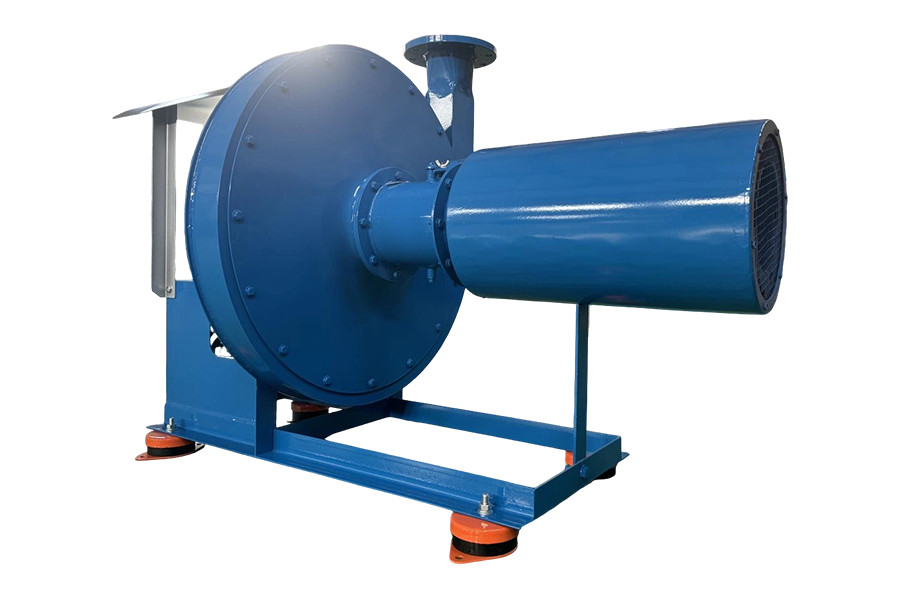
A High Pressure Centrifugal Fan Blower operates on the principle of centrifugal force to convert mechanical energy into pneumatic energy. Ambient air enters the impeller axially through the inlet. As the motor spins the impeller at high speeds, the rotating blades impart kinetic energy to the air, accelerating it radially outward. This high-velocity air is then discharged into the volute (a spiral-shaped casing), where it slows down. According to Bernoulli's principle, this decrease in velocity results in a conversion of kinetic energy into static pressure, which is the useful output that overcomes system resistance. The efficiency and pressure capability of a blower are heavily influenced by its impeller design. Backward-inclined blades offer high efficiency and stable performance, radial blades provide robustness for particulate-laden airstreams, and forward-curved blades are compact but generally used for lower-pressure duties. Key performance parameters that define any centrifugal blower include volumetric flow rate (measured in CFM or m³/h), static pressure (in. w.g. or kPa), shaft power (kW), and overall mechanical efficiency. Understanding the relationship between these factors, depicted on a fan performance curve, is crucial for correct selection.
The conversion from kinetic to pressure energy within the volute is a critical design focus. The cross-sectional area of the volute increases progressively towards the discharge outlet, facilitating the deceleration of air. Proper clearance between the impeller and the housing, effective sealing to prevent air recirculation, and minimal aerodynamic losses at the inlet are all engineered to maximize pressure development and operational efficiency.
Selecting a blower requires balancing three interconnected specs. Static Pressure is the force the blower must generate to push air through the system. Flow Rate is the volume of air delivered. Brake Horsepower is the power required to drive the blower to achieve that specific pressure and flow. Operating at a point far from the blower's best efficiency point (BEP) on its curve leads to excessive energy consumption and potential mechanical issues.
The choice between single and multi-stage designs hinges on the required pressure output. Single-stage blowers are simpler, more cost-effective, and suitable for a wide range of industrial applications like dust collection or general combustion air. Multi Stage High Pressure Centrifugal Fans, while more complex and expensive, are the solution for extreme pressure demands, offering a compact footprint compared to achieving similar pressures with multiple single-stage units in series.
| Feature | Single-Stage Blower | Multi-Stage Blower |
| Pressure Range | Low to Medium-High (up to ~25 kPa typical) | Very High (25 kPa to 200+ kPa) |
| Mechanical Complexity | Lower (one impeller, one set of bearings) | Higher (multiple impellers, inter-stage guides) |
| Cost | Generally lower initial cost | Higher initial and maintenance cost |
| Ideal Application | Dust collectors, HVAC, standard industrial ventilation | Pneumatic conveying, deep tank aeration, specific process gas boosting |
| Efficiency Profile | Peak efficiency over a specific range | Can maintain good efficiency over a wider pressure range due to staging |
The High Pressure Industrial Centrifugal Blower Fan is a workhorse across sectors. Its ability to deliver consistent, high-pressure air makes it critical for processes where air is not just for comfort but for enabling core chemical, physical, or biological reactions. In material handling, they power pneumatic conveying systems, moving powders and granules through pipelines. In manufacturing, they supply combustion air to furnaces and boilers, ensuring efficient fuel burning. They are essential in drying processes, where hot, high-velocity air removes moisture from products. Perhaps one of the most visible applications is in environmental management. A High Pressure Centrifugal Fan Blower for Dust Collector System provides the necessary suction to pull dust-laden air through hoods and ductwork, forcing it through filter bags or cartridges. The pressure must be sufficient to overcome the increasing resistance of the filter as it loads with dust. Similarly, in water treatment, a High Pressure Centrifugal Air Blower for Wastewater Treatment is used in aeration basins. Here, air is forced through diffusers at the bottom of tanks to supply oxygen to microorganisms that break down organic waste. The pressure must be high enough to overcome both the water depth (hydrostatic head) and the resistance of the diffusers.
Beyond ventilation, these blowers are integrated into the production line. They ensure consistent quality in processes like plastic pellet conveying, paper web drying, or fluid bed reactor operation, where variations in airflow can lead to product defects or process upsets.
This application demands a blower with a performance curve that can handle a wide range of system pressures as filters load and are cleaned. The fan must also be constructed to handle potential abrasive dust particles that might pass through the filter, making impeller material and coating critical selection factors.
Modern wastewater plants are increasingly using Energy Saving High Pressure Centrifugal Blower technology with Variable Frequency Drives (VFDs). Instead of running at constant speed and throttling air output with valves, the VFD allows the blower motor speed to modulate based on dissolved oxygen sensors in the basin. This can reduce energy consumption by 30% or more, as power requirement is roughly proportional to the cube of the speed. This exemplifies how the right blower technology directly impacts operational sustainability and cost.
The purchase price of a High Pressure Centrifugal Fan Blower is only a fraction of its Total Cost of Ownership (TCO). Over a 10-year lifespan, energy costs can constitute over 70% of the TCO. Therefore, selecting an Energy Saving High Pressure Centrifugal Blower is not an extra cost but a crucial investment. Key efficiency features include aerodynamically optimized impellers, high-efficiency (IE3/IE4) motors, and integrated control systems like Variable Frequency Drives (VFDs). A VFD provides immense savings in applications with variable flow demand by allowing the blower to run only as fast as needed, avoiding the wasteful energy dissipation of throttle valves or inlet guide vanes. The selection process must be rigorous: it starts with accurately calculating the system's required flow and pressure, considering all losses and future needs. The gas composition (temperature, humidity, corrosiveness, particulate content) dictates material choices for the impeller and housing. The installation environment (space, ambient temperature, noise restrictions) influences the configuration. Finally, evaluating serviceability and the availability of local technical support are essential for minimizing lifetime maintenance costs and downtime.
The key differences lie in design, capability, and application. A regular industrial fan (like an axial fan) is designed to move large volumes of air at very low static pressures (typically below 2 kPa), ideal for general ventilation or condenser cooling. A High Pressure Centrifugal Fan Blower is mechanically robust, with a heavy-duty impeller and housing designed to generate static pressures from 10 kPa up to several hundred kPa. It operates against significant system resistance, such as that found in deep filter beds, long pipelines, or underwater diffusers. Its performance curve is also steeper, meaning its airflow is more sensitive to changes in system pressure.
High energy consumption primarily stems from three issues: 1) Operating far from the Best Efficiency Point (BEP): This is often due to incorrect initial sizing or changes in the system post-installation. 2) Throttling Control: Using dampers or valves to restrict airflow wastes energy by creating artificial resistance. 3) System Issues: Clogged filters, collapsed ductwork, or leaks increase system resistance, forcing the blower to work harder. Reduction strategies include conducting a system audit to ensure proper sizing, retrofitting with a Energy Saving High Pressure Centrifugal Blower equipped with a VFD for speed control, and implementing a rigorous preventive maintenance program to keep the system resistance low.
In many cases, yes, but a professional assessment is critical. A VFD can be added to an existing constant-speed motor to enable variable speed control. However, factors must be checked: the motor must be VFD-compatible (inverter-duty rated) to withstand the voltage spikes from the drive; the blower's mechanical components (bearings, shaft) must be able to handle the potential for operation at different critical speeds; and the existing control logic must be integrated. For older blowers, a full replacement with a new, integrated Energy Saving High Pressure Centrifugal Blower system may offer a better return on investment due to combined gains from a modern, aerodynamically efficient impeller, a high-efficiency motor, and a perfectly matched VFD.
Sizing is a two-step engineering calculation. First, determine the required Flow Rate (Q). For a dust collector, this is based on the desired capture velocity at all hoods and the total air volume of the ductwork. For aeration, it's based on the biological oxygen demand (BOD) of the wastewater and the oxygen transfer efficiency (OTE) of the diffusers. Second, calculate the total Static Pressure (SP) the blower must overcome. This sums all losses: hood entry loss, duct friction loss, filter/media loss (use the maximum expected "dirty" resistance), and for aeration, the submergence depth of the diffusers plus their clean/dirty pressure loss. Always add a safety factor (e.g., 10-15%). The blower is selected so its performance curve meets or exceeds the (Q, SP) operating point. Consulting with an experienced engineer or supplier for a High Pressure Centrifugal Fan Blower for Dust Collector System or a High Pressure Centrifugal Air Blower for Wastewater Treatment is highly recommended to avoid costly undersizing or inefficient oversizing.
A proactive maintenance program is essential. The most critical tasks include: 1) Vibration Monitoring: Regular checks can detect imbalance, bearing wear, or misalignment early. 2) Bearing Lubrication: Follow manufacturer intervals strictly, using the correct type and quantity of grease to prevent overheating and failure. 3) Filter Inspection (for intake filters): A clogged inlet filter starves the blower, causing performance drop and potential vacuum-related issues. 4) Impeller Inspection: Periodically check for dust buildup, corrosion, or abrasion, which can degrade performance and cause imbalance. 5) Drive Alignment Check: For belt-driven units, check and adjust belt tension and sheave alignment; for direct-drive units, ensure coupling alignment is maintained. Keeping detailed logs of all readings helps identify trends and plan corrective actions before a failure occurs.
Your email address will not be published. Required fields are marked*
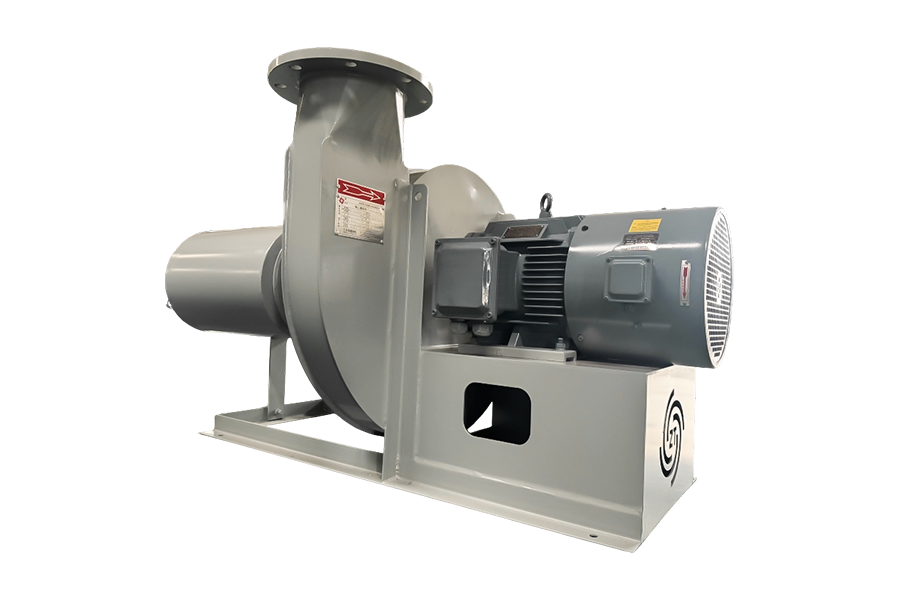
Combustion-supporting fan Product Name Air volume All-in Medium temperature Conveying medium Co...
See Details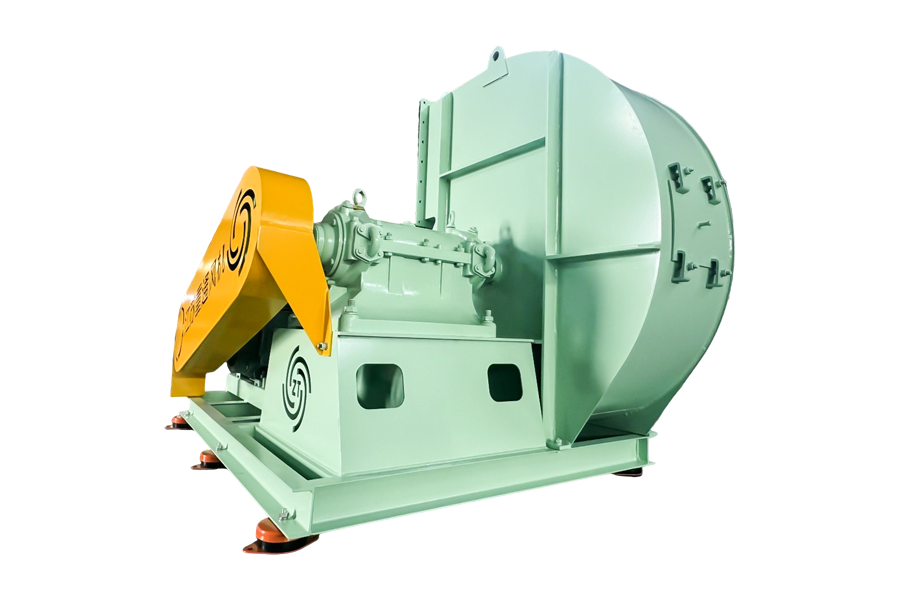
Main fan Product Name Air volume All-in Medium temperature Conveying medium Main fan 1000-30000...
See Details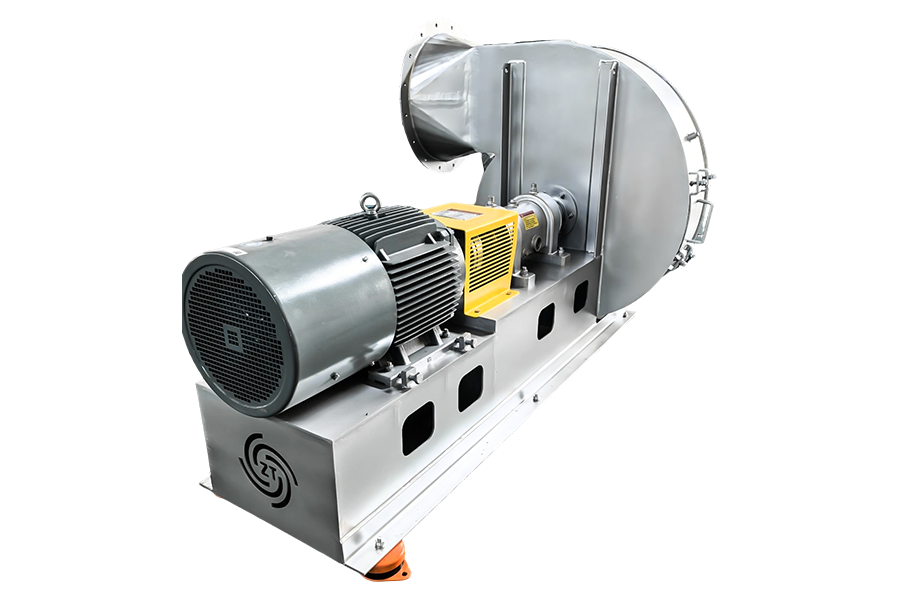
Desorption fan Product Name Air volume All-in Medium temperature Conveying medium Desorption fa...
See Details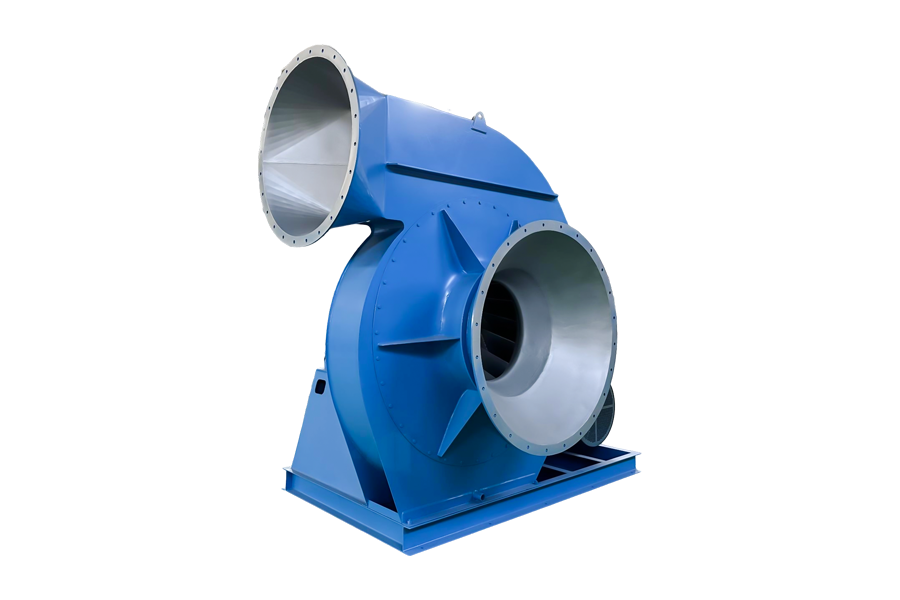
Induced draft fan Product Name Air volume All-in Medium temperature Conveying medium induced dr...
See Details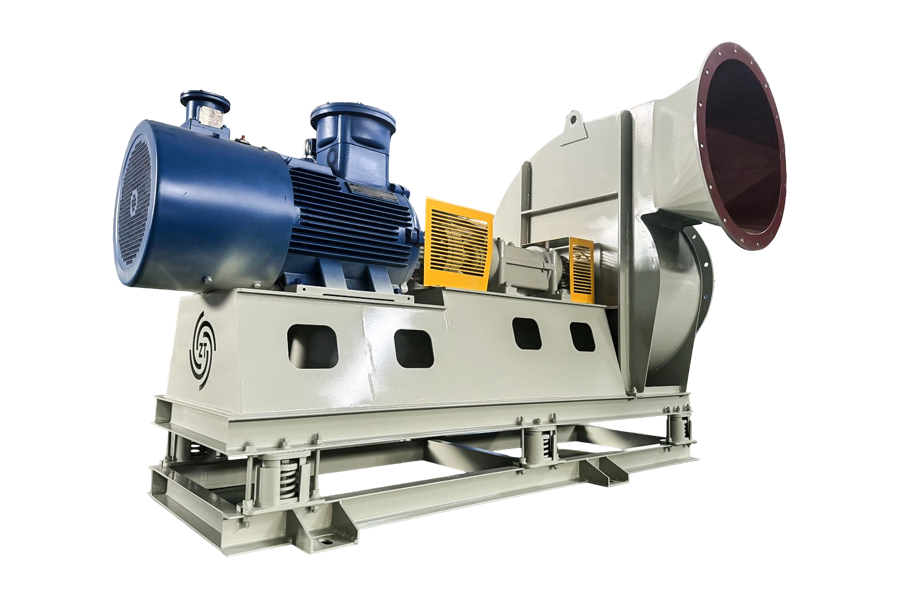
Oxygen supplement fan Product Name Air volume All-in Medium temperature Conveying medium Oxygen...
See Details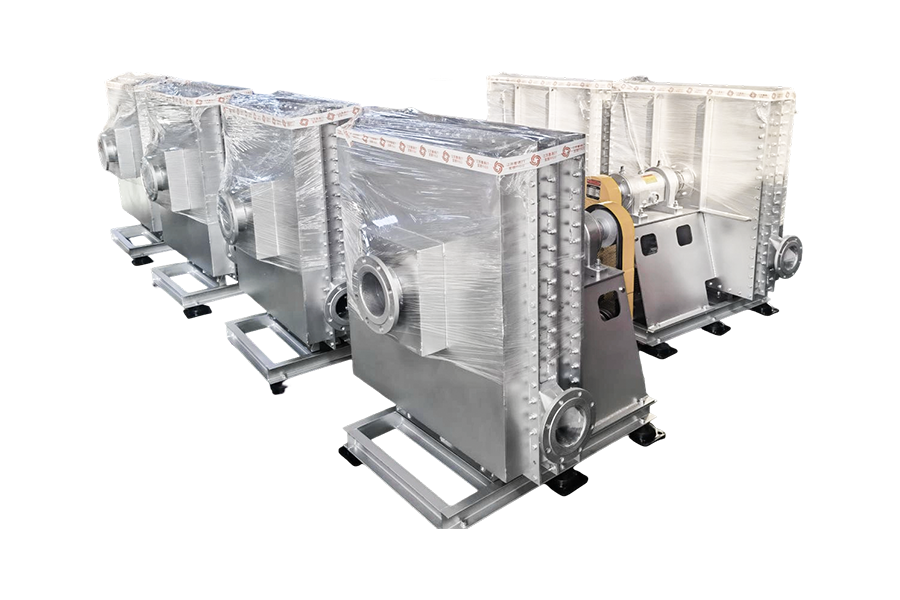
Category: Environmental Protection Industry - Centrifugal Fan for Solid and Liquid Waste Rotary Kiln...
See DetailsMobile: +86-188 6157 1101
No.58 Wendong Road, Xushe Town Industrial Zone, Yixing City, Jiangsu Province, China

Copyright © JIANGSU ZT FAN CO.,LTD. All Rights Reserved.
Stainless Steel Centrifugal Fan Manufacturers


+86-188 6157 1101
