
 Contact Us
 Language
 English
 русский
 Español
Main fan Product Name Air volume All-in Medium temperature Conveying medium Main fan 1000-30000...
See Details
Content
In modern industries, controlling airflow is crucial. Whether it's for temperature regulation, ventilation, or exhaust gas removal, the role of fans is indispensable. Especially Large Centrifugal Fans, which play a core role in multiple industrial fields. The design and application of large centrifugal fans not only impact airflow and pressure but also directly affect the system's energy efficiency, comfort, and long-term maintenance costs. Therefore, choosing the right Large Centrifugal Fan becomes the key to improving industrial efficiency, saving energy, and reducing operational costs.
Large Centrifugal Fans are widely used in large industrial facilities, HVAC (heating, ventilation, and air conditioning) systems, air treatment, and ventilation systems. They are especially designed to function in environments where large airflow and high pressure are required. In this article, we will dive deep into how to choose the right Large Centrifugal Fan based on different requirements and application scenarios, thereby improving system performance, reducing energy consumption, and ensuring long-term stability.
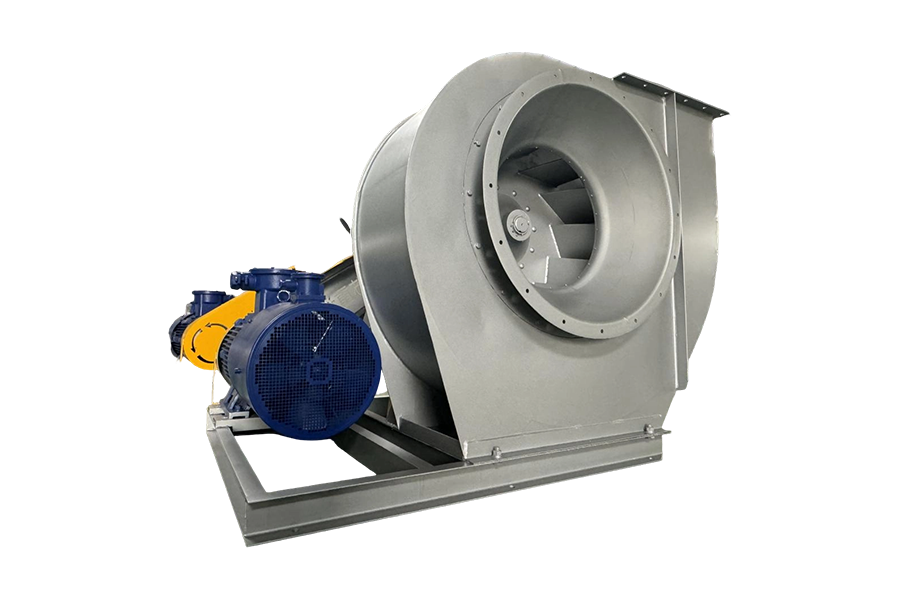
The working principle of a large centrifugal fan is relatively simple. These fans operate by rotating the impeller through a motor, causing air to be drawn along the fan's axis. The centrifugal force generated by the blades pushes the air out through the exhaust, converting the air's kinetic energy into pressure energy. This process efficiently exchanges air and adjusts airflow speed and pressure according to actual needs.
Large Centrifugal Fans have a wide range of applications, mainly concentrated in the following areas:
When selecting a Large Centrifugal Fan, efficiency and energy consumption are two crucial factors. An efficient Large Centrifugal Fan not only provides the required airflow and pressure but also minimizes power consumption, thereby reducing operating costs. To help you make a better choice, we have summarized several key factors to consider when evaluating the efficiency of a fan.
| Parameter | Efficient Fan | Standard Fan |
|---|---|---|
| Energy Efficiency | High, uses less power, reduces energy waste | Relatively low, consumes more electricity |
| Airflow and Pressure | Precisely matches application requirements, improves system efficiency | May have excess or insufficient airflow, leading to lower efficiency |
| Long-term Operating Costs | Lower, due to energy savings and less frequent maintenance | Higher, requires more maintenance and incurs higher electricity costs |
| Noise Levels | Typically lower, suitable for noise-sensitive environments | Relatively higher, suitable for less noise-sensitive industrial environments |
Energy-saving Large Centrifugal Fans have become an essential choice in modern industrial and building fields. By using advanced energy-saving technologies, these fans can provide high efficiency while minimizing energy consumption.
| Advantages | Energy-saving Fan | Standard Fan |
|---|---|---|
| Energy Consumption | Lower, uses less power, reduces energy waste | Relatively high, consumes more electricity over time |
| Operating Costs | Lower electricity costs, reduced operational expenses | Higher electricity costs, increased maintenance requirements |
| Environmental Impact | Reduces carbon emissions, supports green industrial practices | Higher environmental impact, more carbon emissions |
| Maintenance Needs | Less frequent maintenance, longer fan lifespan | More frequent maintenance, higher long-term costs |
In many buildings and industrial environments, noise level is a crucial factor when designing and selecting equipment. Quiet Large Centrifugal Fans are specifically developed to address this issue. Through optimized designs and material choices, these fans can maintain high efficiency while keeping noise levels low, making them suitable for noise-sensitive environments.
| Parameter | Quiet Fan | Standard Fan |
|---|---|---|
| Noise Levels | Low, suitable for noise-sensitive environments | High, not suitable for noise-sensitive environments |
| Design | Designed specifically for low noise, reduces vibration and airflow resistance | Focuses more on airflow and pressure, higher noise output |
| Suitable Applications | Offices, hospitals, commercial buildings, and other noise-sensitive environments | Industrial factories, warehouses, and other environments where noise is not a major concern |
In heavy industries, ventilation system selection and design are critical, especially in environments with high temperatures, humidity, dust, or other extreme conditions. For example, metallurgy, chemical plants, and paper mills require fan systems that can operate under harsh conditions. In these industries, heavy-duty Large Centrifugal Fans are commonly used because they can withstand high workloads and ensure continuous and stable airflow.
| Parameter | Heavy-duty Fan | Standard Fan |
|---|---|---|
| Load Capacity | High, can handle extreme pressure and large airflow | Medium, suitable for regular industrial environments |
| Temperature and Corrosion Resistance | Strong, operates under high temperatures, high humidity, and corrosive environments | Standard, may not operate well in extreme conditions |
| Dust-proof Design | Precision design to prevent dust ingress into the system | Weaker, long-term operation may be affected by dust and pollutants |
| Application Environment | Heavy industries, metallurgy, chemical plants, etc. | General industrial environments, such as warehouses, light manufacturing |
Every industry and application scenario has its unique needs, and sometimes standard fans cannot fully meet these specific demands. In such cases, customized Large Centrifugal Fans become especially important. Customized fans can be tailored to meet specific requirements regarding airflow, pressure, noise, size, and more to ensure optimal performance.
| Parameter | Customized Fan | Standard Fan |
|---|---|---|
| Adaptability | High, can be adjusted and optimized for specific needs | Low, suitable for general applications |
| Efficiency | Provides optimal performance, suits specific workloads and environments | May have lower efficiency for specialized applications |
| Long-term Cost | Lower long-term operating cost, less frequent maintenance | Higher long-term cost, higher maintenance |
| Installation and Fitting | Flexible, can fit into specific spaces and requirements | May require additional adaptation during installation |
In conclusion, choosing the right Large Centrifugal Fan goes beyond just considering basic performance (airflow and pressure). It involves evaluating the fan from multiple angles based on actual needs, such as efficiency, energy savings, noise control, and customization options.
Whether you choose an efficient fan to reduce electricity consumption, an energy-saving fan for long-term operational savings, a quiet fan for noise-sensitive environments, a heavy-duty fan for extreme industrial conditions, or a customized fan for specific needs, each type has its unique advantages tailored for different industrial applications.
Therefore, choosing the right Large Centrifugal Fan not only improves industrial system performance but also significantly reduces long-term costs and helps businesses maintain a competitive edge.
A large centrifugal fan is a device that generates airflow and increases pressure by rotating the impeller. It is widely used in HVAC systems, industrial ventilation, air treatment, and other applications that require high airflow and pressure.
When selecting a large centrifugal fan, you need to evaluate the application's airflow requirements, pressure demands, and energy efficiency. Efficient fans typically consume less electricity and provide superior performance, reducing long-term operating costs.
Energy-saving fans use technologies like variable frequency drives (VFD) and efficient motors to reduce energy consumption, helping businesses save on electricity costs. These fans also contribute to a more sustainable industrial operation by lowering carbon emissions.
For environments that require low noise levels, choose a quiet large centrifugal fan. These fans are specially designed to reduce noise through noise isolation technology, dynamic balancing, and low-noise motors, making them ideal for offices, hospitals, and other noise-sensitive settings.
Customized fans are typically more expensive initially, but they provide better efficiency and long-term cost savings due to their optimized performance for specific needs. Over time, the savings in energy consumption and maintenance can offset the higher upfront cost.
Your email address will not be published. Required fields are marked*
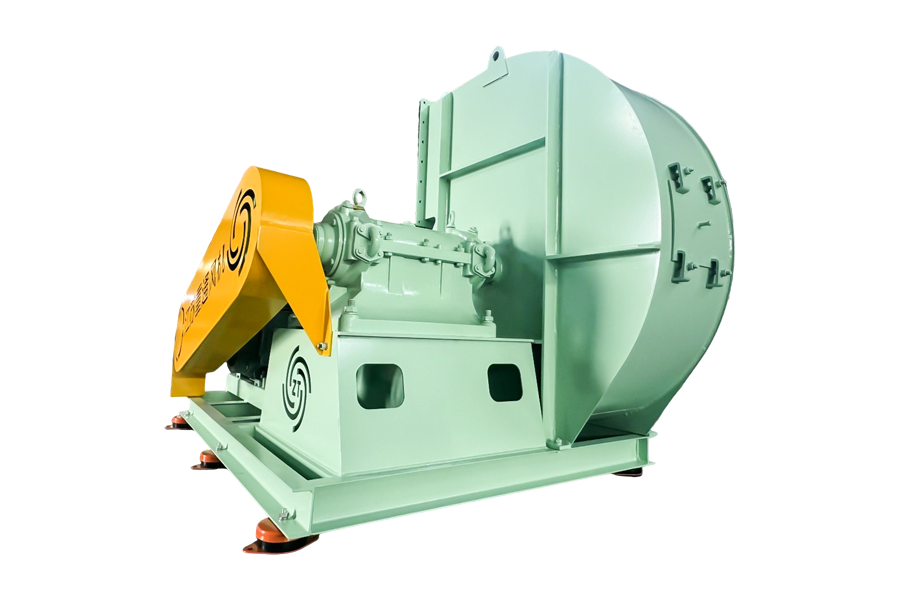
Main fan Product Name Air volume All-in Medium temperature Conveying medium Main fan 1000-30000...
See Details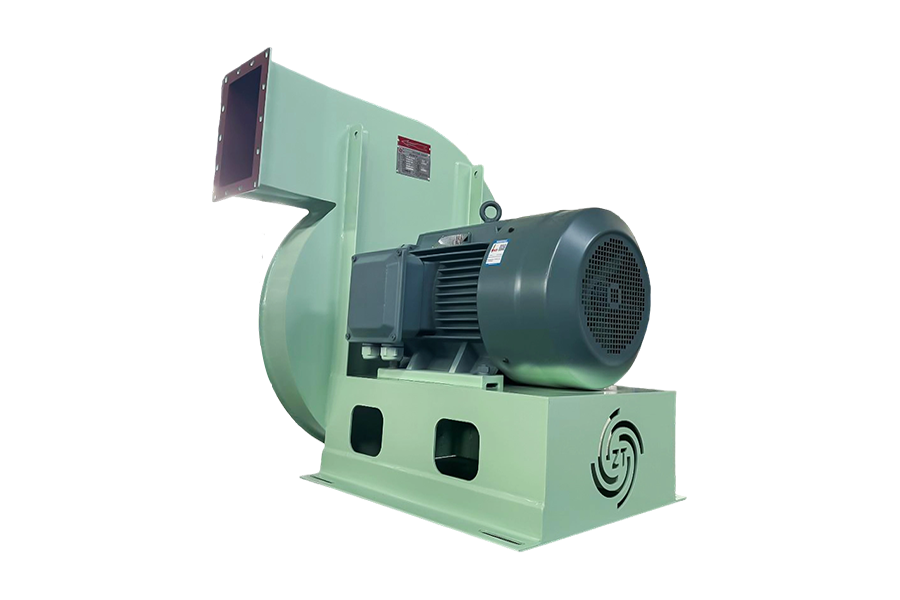
Category: Environmental Protection Industry - Centrifugal Fan for Solid and Liquid Waste Rotary Kiln...
See Details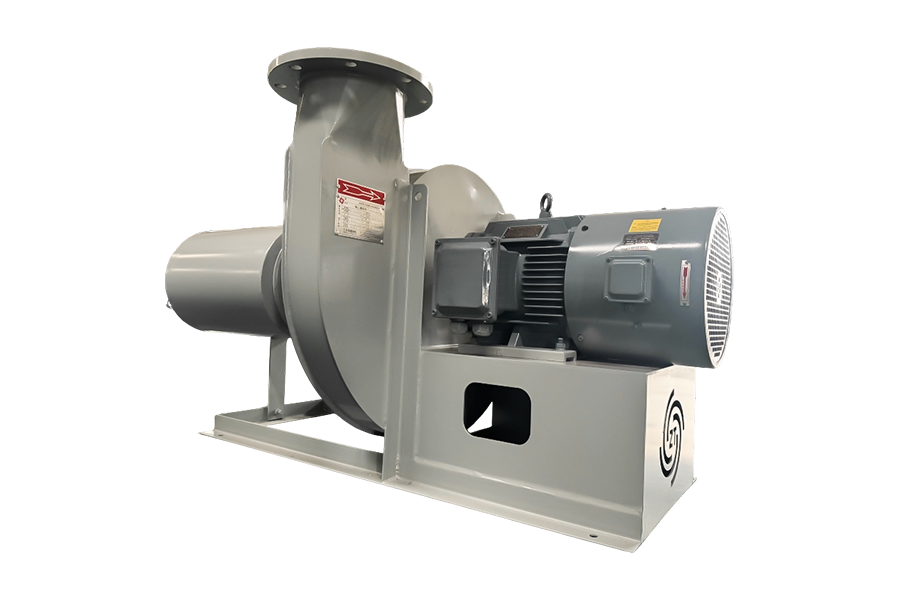
Combustion-supporting fan Product Name Air volume All-in Medium temperature Conveying medium Co...
See Details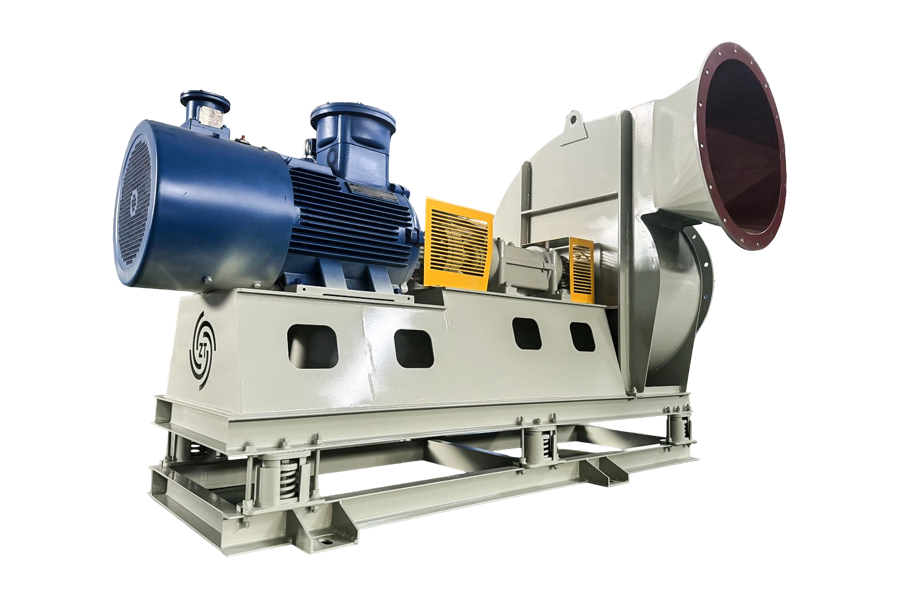
Oxygen supplement fan Product Name Air volume All-in Medium temperature Conveying medium Oxygen...
See Details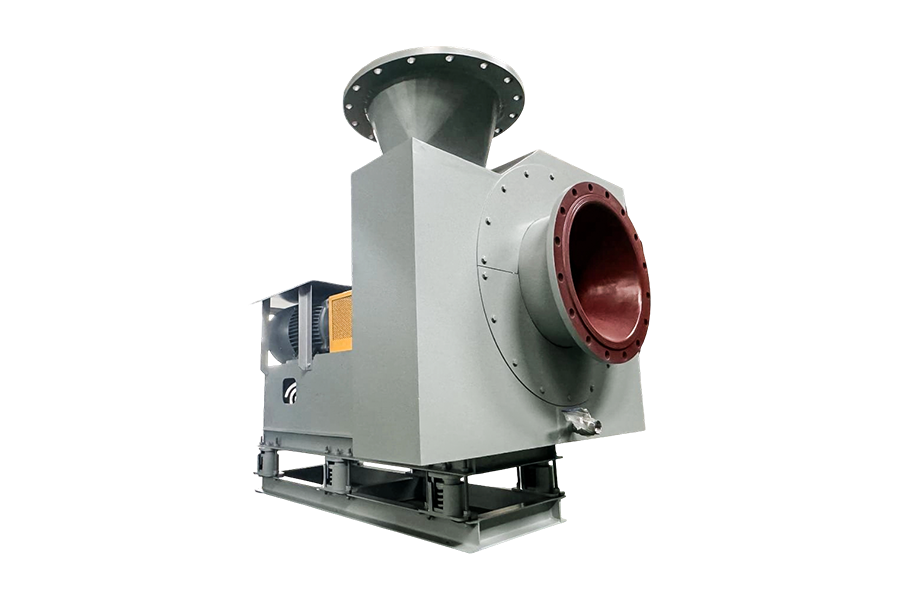
Purge fan Product Name Air volume All-in Medium temperature Conveying medium Purge fan 1000-500...
See Details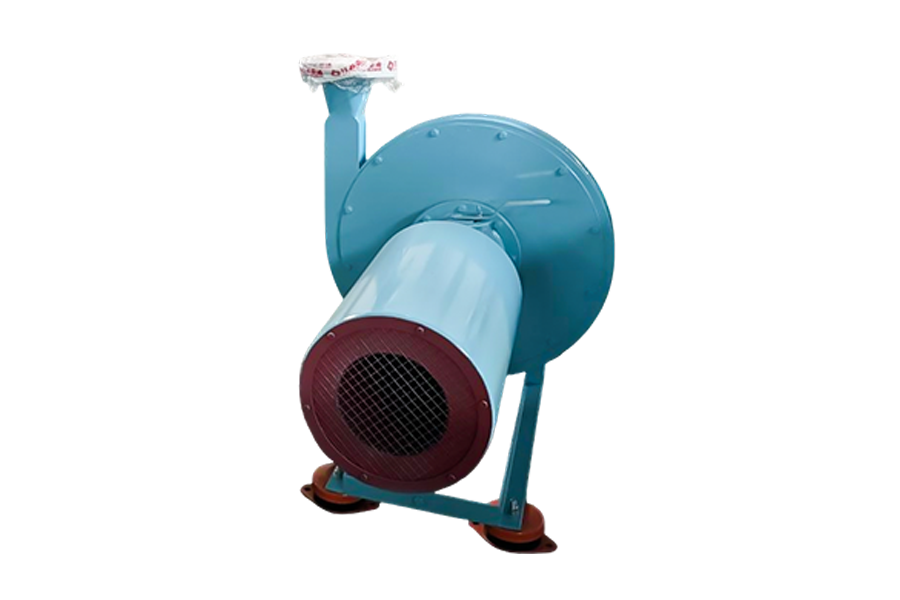
Sealed fan Product Name Air volume All-in Medium temperature Conveying medium Sealed fan 500-10...
See DetailsMobile: +86-188 6157 1101
No.58 Wendong Road, Xushe Town Industrial Zone, Yixing City, Jiangsu Province, China

Copyright © JIANGSU ZT FAN CO.,LTD. All Rights Reserved.
Stainless Steel Centrifugal Fan Manufacturers


+86-188 6157 1101
