 Contact Us
 Language
 English
 русский
 Español
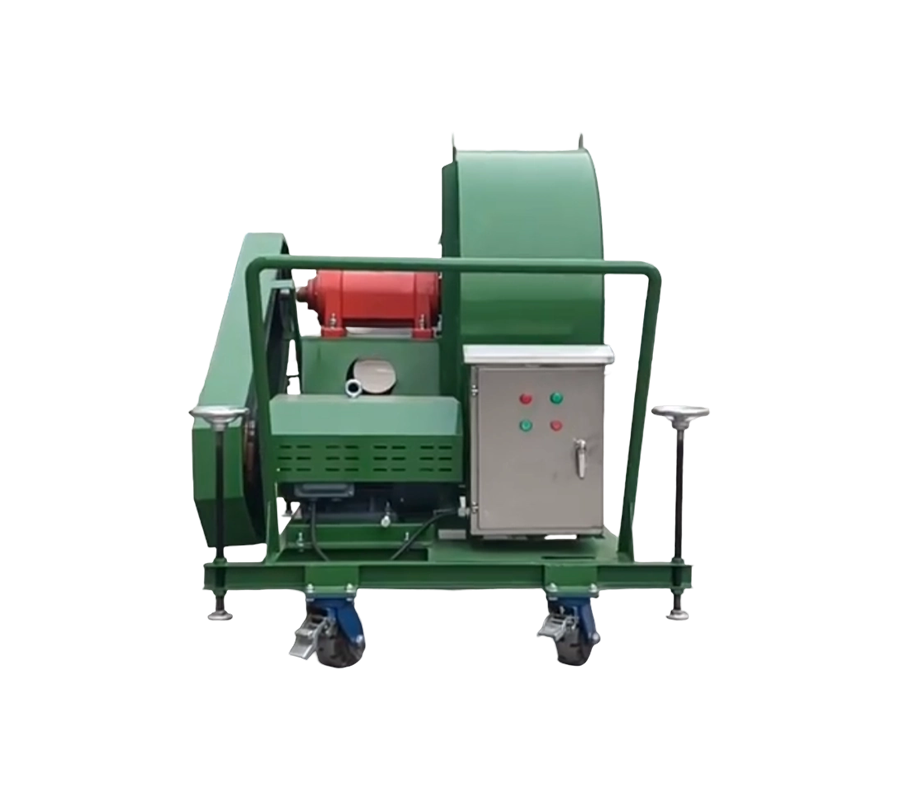
Category: Centrifugal fans for the coating industry Blower for paint spray booth Product Name Air...
See Details
Content
Industrial blower fans are critical components in ventilation, dust control, exhaust gas treatment, and process air systems. Engineers and procurement managers must evaluate airflow capacity, static pressure, material durability, and energy efficiency before selecting equipment. A properly selected blower improves system stability, reduces operational costs, and ensures environmental compliance. This guide explains the engineering principles and selection criteria that professional buyers should consider.
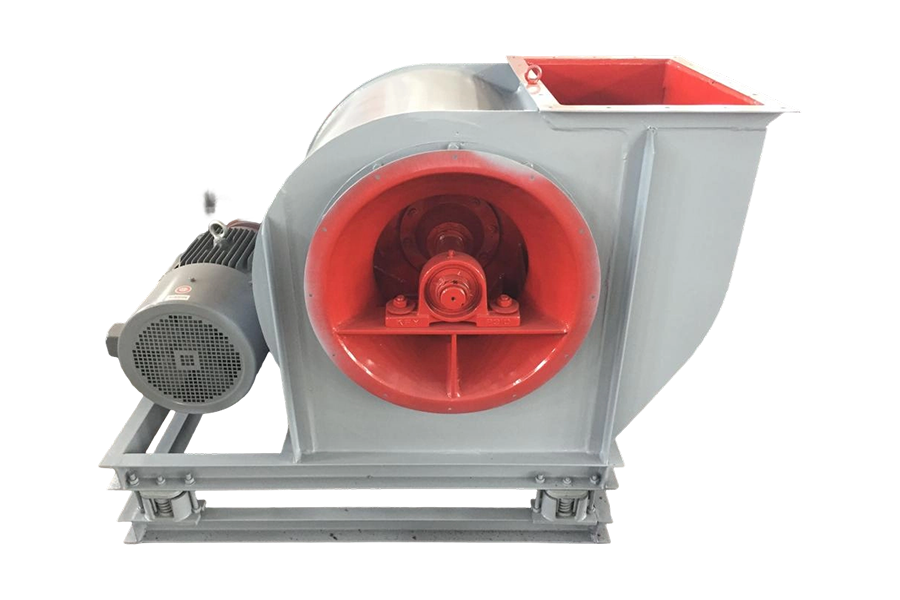
Industrial blower fans typically operate using centrifugal force. The motor drives an impeller that accelerates air outward from the center to the volute casing. The casing converts kinetic energy into static pressure. This process enables the system to overcome duct resistance.
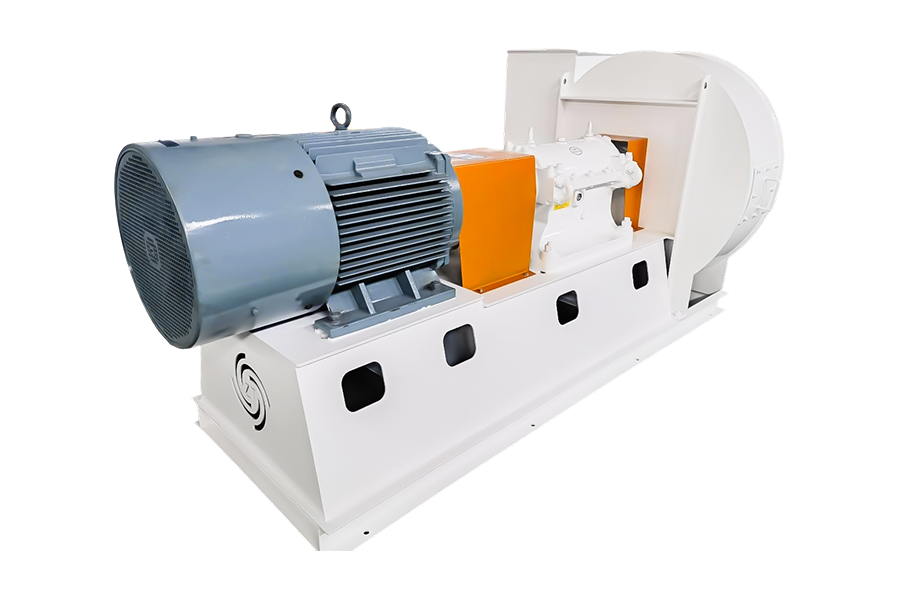
Axial fans move air parallel to the shaft. Centrifugal fans discharge air perpendicular to the shaft. Axial fans deliver high airflow at low pressure. Centrifugal fans provide higher static pressure and stable performance in complex duct systems.
| Parameter | Axial Fan | Centrifugal Fan |
| Airflow Volume | High | Moderate to High |
| Static Pressure | Low | High |
| Suitable Application | Open ventilation | Ducted systems |
High pressure industrial blower fans for ventilation are required when systems include long duct runs, filters, scrubbers, or heat exchangers. These systems generate significant resistance. A high-pressure design ensures consistent airflow delivery.
Engineers calculate total pressure loss by summing duct friction, fittings loss, and equipment resistance. A blower must operate near its best efficiency point to maintain system stability.
| System Type | Typical Pressure Requirement |
| Short Duct Ventilation | 500–800 Pa |
| VOC Treatment Line | 1500–3000 Pa |
| Dust Collection System | 2000–5000 Pa |
Centrifugal industrial blower fans for dust collection handle particulate-laden air more effectively than axial fans. The radial or backward-curved impeller design resists clogging and maintains pressure under load.
Backward-curved blades provide higher efficiency and lower noise. Radial blades tolerate abrasive dust better but operate at slightly lower efficiency.
| Blade Type | Efficiency | Dust Handling Capacity |
| Backward Curved | High | Moderate |
| Radial Blade | Moderate | High |
Energy efficient industrial blower fans for factories reduce electricity consumption through aerodynamic optimization and high-efficiency motors. Energy cost often represents more than 80% of total lifecycle cost.
IE3 or IE4 motors improve electrical efficiency. Computational fluid dynamics (CFD) improves impeller geometry and reduces turbulence losses.
| Efficiency Factor | Standard Motor | IE4 Motor |
| Energy Loss | Higher | Lower |
| Operational Cost | Higher | Reduced |
Heavy duty industrial blower fans for warehouse cooling are essential in large-span buildings. Warehouses often have high ceilings and uneven temperature distribution. High-capacity blowers improve air circulation and reduce heat accumulation.
Industrial blower fans with variable speed control integrate variable frequency drives (VFD). Speed control allows airflow adjustment based on real-time demand. This strategy significantly reduces energy consumption during partial load operation.
| Operating Mode | Fixed Speed | Variable Speed |
| Energy Usage | Constant | Demand-based |
| Motor Stress | Higher | Reduced |
Jiangsu ZT Fan Co., Ltd. was established in 1990. The company specializes in centrifugal fan manufacturing and integrates research, design, production, and after-sales service. The company provides stainless steel centrifugal fans and customized solutions for industrial applications.
The products are widely used in factory exhaust systems, VOC treatment lines, dust collectors, waste incineration systems, lithium battery production lines, pharmaceutical waste disposal systems, chemical emission control systems, power plants, steel mills, and metal smelting industries. The company focuses on reliable performance in high-temperature and corrosive environments.
A blower generates higher pressure and is suitable for ducted systems, while a fan usually operates at lower pressure.
Engineers calculate airflow based on room volume, air change rate, and process exhaust requirements.
Variable speed control reduces energy consumption and extends motor life.
Stainless steel and coated carbon steel are commonly used in corrosive gas applications.
A well-maintained blower can operate for more than 10–15 years depending on working conditions.
Your email address will not be published. Required fields are marked*
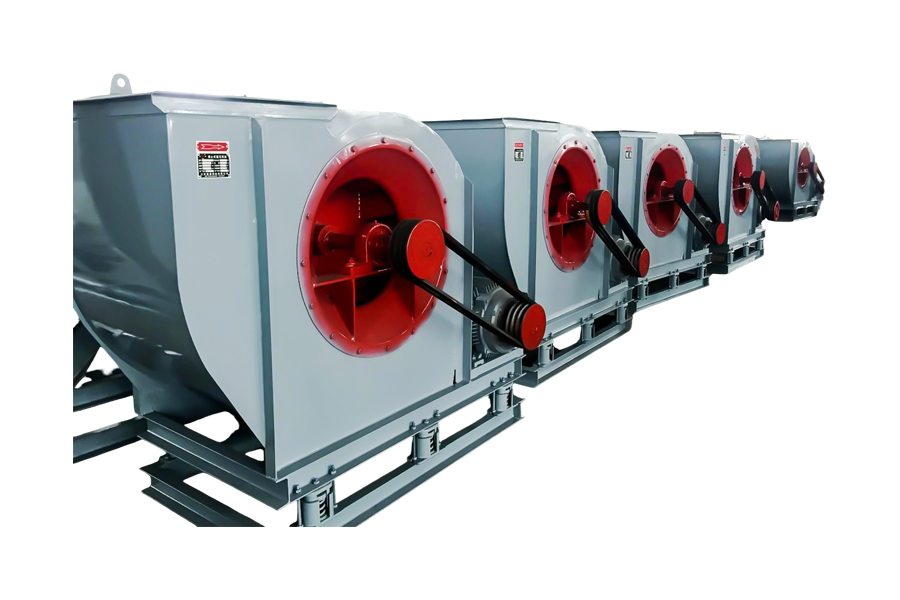
Category: Centrifugal fans for the coating industry Blower for paint spray booth Product Name Air...
See Details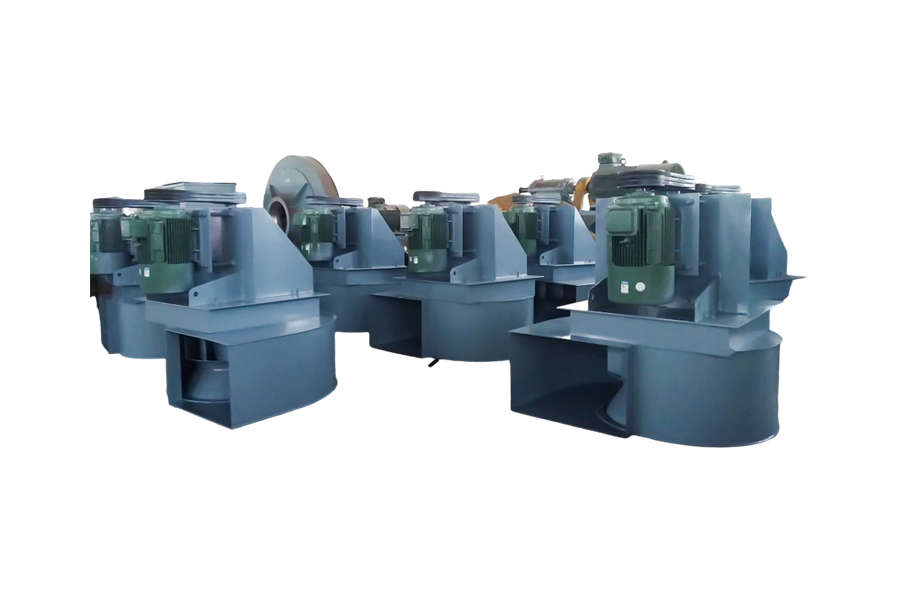
Category: Centrifugal fans for the coating industry Plug-in high-temperature fan Product Name Air...
See Details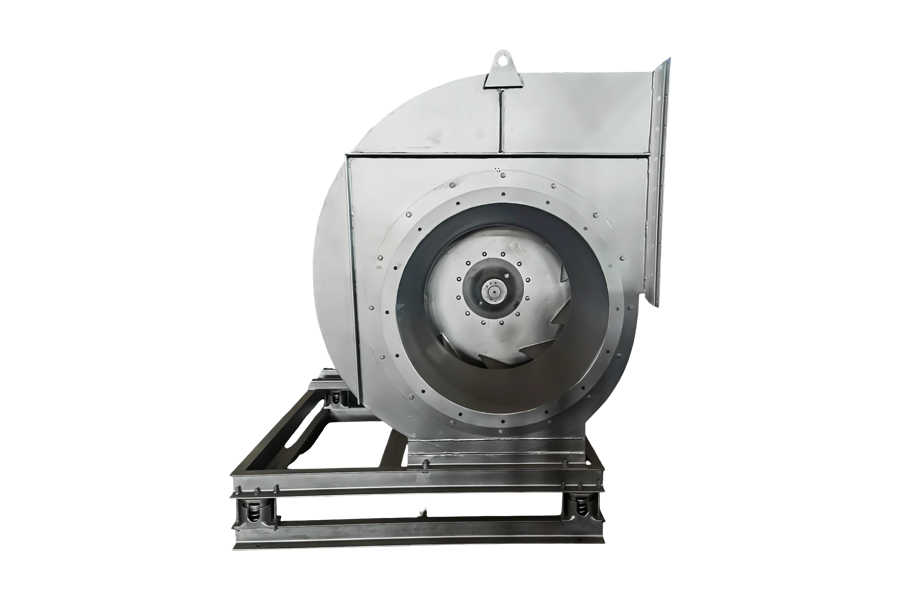
Category: Centrifugal fans for the coating industry Hot air circulation fan Product Name Air volu...
See Details
Category: Boiler System Centrifugal Fan Air blower Product Name Air volume Total pressure ...
See DetailsMobile: +86-188 6157 1101
No.58 Wendong Road, Xushe Town Industrial Zone, Yixing City, Jiangsu Province, China

Copyright © JIANGSU ZT FAN CO.,LTD. All Rights Reserved.
Stainless Steel Centrifugal Fan Manufacturers


+86-188 6157 1101