
 Contact Us
 Language
 English
 русский
 Español
Category: Centrifugal fans for the coating industry Plug-in high-temperature fan Product Name Air...
See Details
Content
The building materials industry plays a vital role in construction and infrastructure development, manufacturing products essential for the creation of homes, offices, and critical structures. Within this vast sector, cement production is a cornerstone, representing one of the largest industrial activities globally. The production of cement requires high-energy-intensive processes, such as heating, drying, and calcining raw materials at elevated temperatures.
Cement rotary kiln centrifugal fans are critical components in this energy-consuming process. These fans ensure that proper airflow and ventilation are maintained in the rotary kilns, which helps optimize combustion, improve process efficiency, and lower energy consumption. Given the growing focus on sustainability and energy savings in industrial operations, the need for efficient and durable centrifugal fans in the cement industry has never been more important.
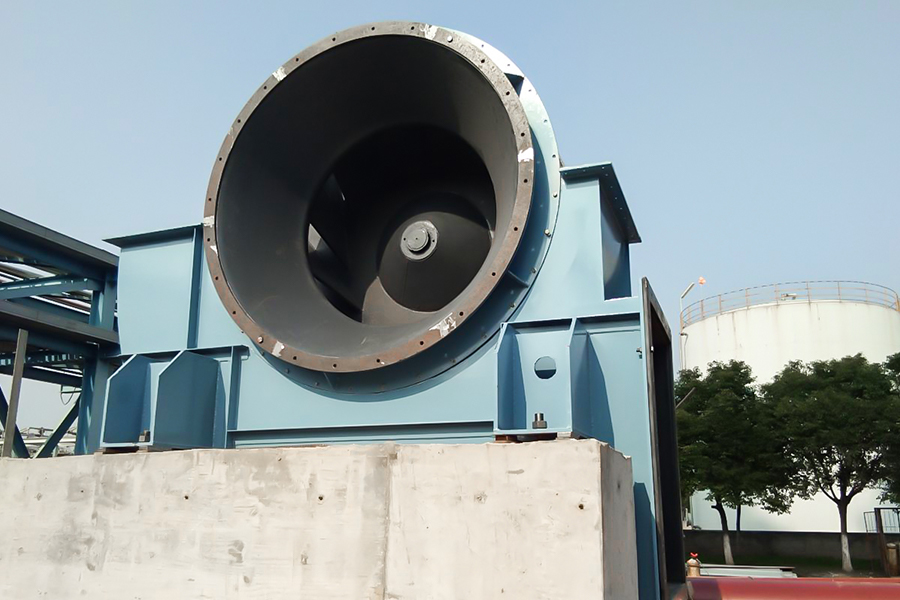
Cement rotary kiln centrifugal fans are designed to manage the airflow within the rotary kiln, a long cylindrical furnace used for heating raw materials. The fan works by drawing air into the system and expelling it out through a series of ducts and pipes. The airflow generated is essential to maintaining the high temperatures necessary for cement production, ensuring proper combustion, drying, and calcination of the raw materials.
The centrifugal fan operates by using the principle of centrifugal force to convert the rotational motion of the blades into pressure. This pressure is then used to push air through the system, providing consistent airflow necessary for kiln operations. By optimizing the airflow, these fans contribute to greater combustion efficiency, temperature control, and reduced fuel consumption in the cement kiln.
| Feature | Description |
|---|---|
| Efficient Airflow | Optimizes airflow to reduce energy consumption and improve kiln efficiency |
| High-Temperature Tolerance | Designed to endure the high temperatures of rotary kilns |
| Low Energy Use | Aerodynamic design reduces overall energy consumption |
| Long Lifespan | Built for long-term reliability with minimal maintenance |
The efficiency of a cement rotary kiln centrifugal fan largely depends on its design. Optimizing airflow, minimizing resistance, and ensuring durability under extreme conditions are key goals during the design process. By focusing on these aspects, manufacturers can create fans that provide superior performance while reducing energy consumption.
While axial fans are commonly used in various industrial applications, centrifugal fans are often preferred for rotary kilns due to their ability to generate higher pressure. This pressure is necessary to overcome the resistance within the long and winding air pathways of a rotary kiln, ensuring that the airflow reaches all areas efficiently. Additionally, centrifugal fans can handle higher temperature conditions, making them more suitable for high-temperature applications like cement production.
Selecting the right motor and drive system is essential to improving the efficiency of centrifugal fans. Modern high-efficiency motors can significantly reduce energy consumption while providing the necessary power to drive the fan blades. Coupled with an intelligent drive system, these fans can be adjusted in real-time to match the energy requirements of the kiln, optimizing performance while minimizing waste.
The design of the fan blades—material, shape, and structure—directly affects the efficiency of airflow and fan operation. Curved blades, for example, reduce resistance and enhance the airflow while minimizing noise. The choice of blade material, often corrosion-resistant alloys, ensures durability in the high-temperature environment of a cement kiln.
| Parameter | Description |
|---|---|
| Blade Type | Curved blades for reduced resistance and better airflow |
| Motor Power | Optimized to balance fan capacity and energy use |
| Operating Temperature | Fan can operate at temperatures of up to 400°C and beyond |
| Airflow Efficiency | Designed to maximize airflow while minimizing energy usage |
Cement rotary kiln centrifugal fans are not limited to the cement production process but also play crucial roles in various other building materials industries, where temperature control and efficient airflow are vital.
In cement production, rotary kilns require consistent airflow to ensure that the raw materials are properly heated, dried, and calcined. The centrifugal fan provides the necessary air pressure for combustion, enabling efficient fuel use and optimal temperature control. This is essential for maximizing the efficiency of the rotary kiln and ensuring the quality of the final cement product.
By optimizing the fan design and performance, energy usage in the cement and other building materials industries can be significantly reduced. This reduction not only lowers operational costs but also helps industries meet sustainability targets by reducing their carbon footprint. Advanced centrifugal fans contribute to these goals by improving airflow efficiency, lowering energy costs, and enhancing overall system performance.
| Industry Sector | Application Area | Key Role |
|---|---|---|
| Cement Production | Kiln airflow regulation, calcination | Enhances combustion, reduces fuel consumption |
| Mortar Production | Mixing and drying | Ensures even drying and optimizes energy use |
| Brick & Tile Making | Drying and temperature control | Maintains uniform temperature, preventing product defects |
| Gypsum Board Manufacturing | Curing and temperature regulation | Ensures consistent curing, improving product quality |
Fan Performance Evaluation:
The performance of a cement rotary kiln centrifugal fan is typically evaluated based on several parameters, including airflow (CFM), static pressure, and energy efficiency. To achieve optimal performance, it is essential to monitor these parameters continuously to ensure that the fan operates within its designed capacity.
Energy-Saving Technologies:
There are several technologies that can be implemented to enhance the energy efficiency of cement rotary kiln centrifugal fans:
Fan Maintenance and Care:
Maintaining cement rotary kiln centrifugal fans is vital to ensure they operate efficiently for long periods. Regular inspection and cleaning of the fan blades, motor, and other components will prevent debris buildup, corrosion, and damage from prolonged exposure to extreme temperatures. Proper lubrication of moving parts and routine checks for wear and tear are also essential to maintain performance and extend the lifespan of the fans.
Energy-Saving Technologies and Maintenance Practices
| Technology/Practice | Description |
|---|---|
| Variable Frequency Drives (VFDs) | Adjust fan speed to match operational needs, reducing power usage |
| Blade Angle Adjustment | Optimizes airflow efficiency, reducing unnecessary energy input |
| Intelligent Monitoring Systems | Detects performance issues and optimizes fan settings for efficiency |
| Regular Maintenance & Lubrication | Reduces wear, extends fan life, and ensures reliable operation |
Choosing the correct cement rotary kiln centrifugal fan is essential to achieving optimal performance. Selecting a fan involves evaluating several factors, such as production scale, airflow requirements, kiln temperature, and the specific characteristics of the materials being processed.
Selection Criteria:
Key Parameters for Fan Selection:
Parameters for Selecting Cement Rotary Kiln Centrifugal Fans
| Parameter | Description |
|---|---|
| Airflow (CFM) | Ensures adequate air movement to maintain kiln conditions |
| Static Pressure | Fan pressure must match system resistance for optimal airflow |
| Motor Power | Sufficient power for fan operation while avoiding excess energy use |
| Temperature Resistance | Ability to handle extreme heat for long-term operation |
| Noise Emission | Lower noise for quieter operations, particularly in sensitive areas |
| Blade Material | High-temperature, corrosion-resistant materials ensure fan longevity |
Cement rotary kiln centrifugal fans are a cornerstone of efficient operations in the building materials industry, particularly in cement production. As energy costs continue to rise and environmental regulations become stricter, the need for high-efficiency fans will only grow. These fans play an essential role in maintaining the necessary airflow, temperature control, and combustion efficiency in rotary kilns.
Your email address will not be published. Required fields are marked*
Category: Centrifugal fans for the coating industry Plug-in high-temperature fan Product Name Air...
See Details
Category: Centrifugal fans for the coating industry Blower for paint spray booth Product Name Air...
See Details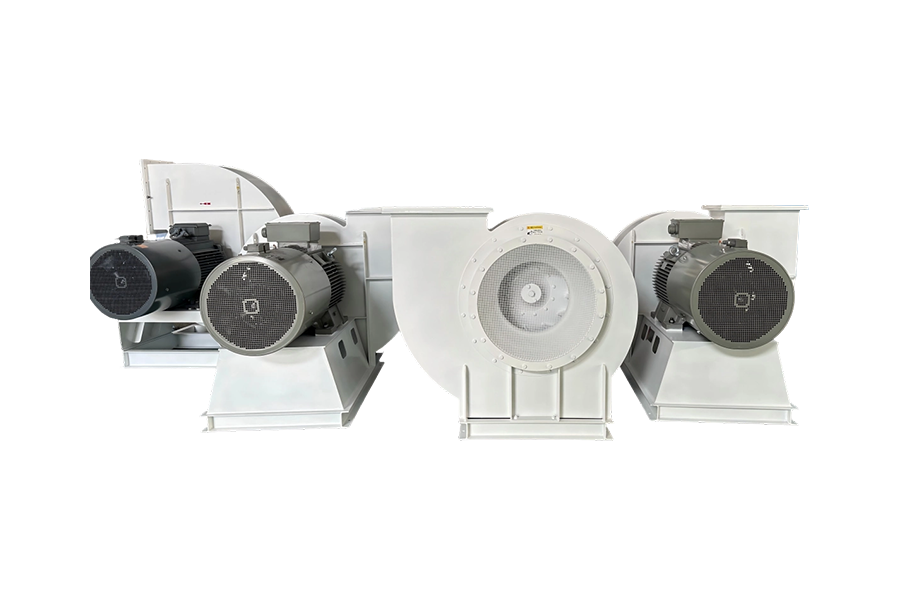
Category: Environmental Protection Industry - Centrifugal Fan for Solid and Liquid Waste Rotary Kiln...
See Details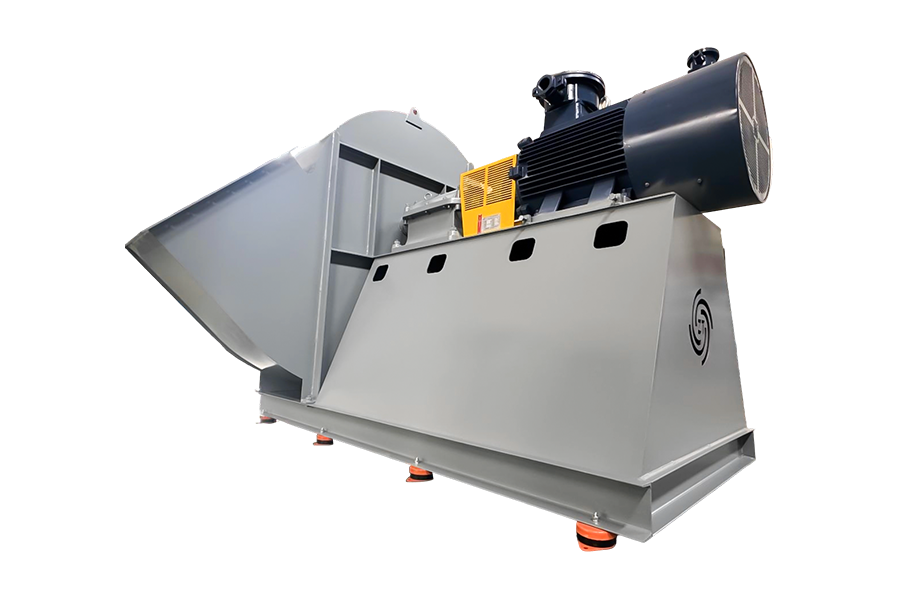
Category: Building Materials Industry - Cement Rotary Kiln Centrifugal Fan Great cooler cooling fan ...
See Details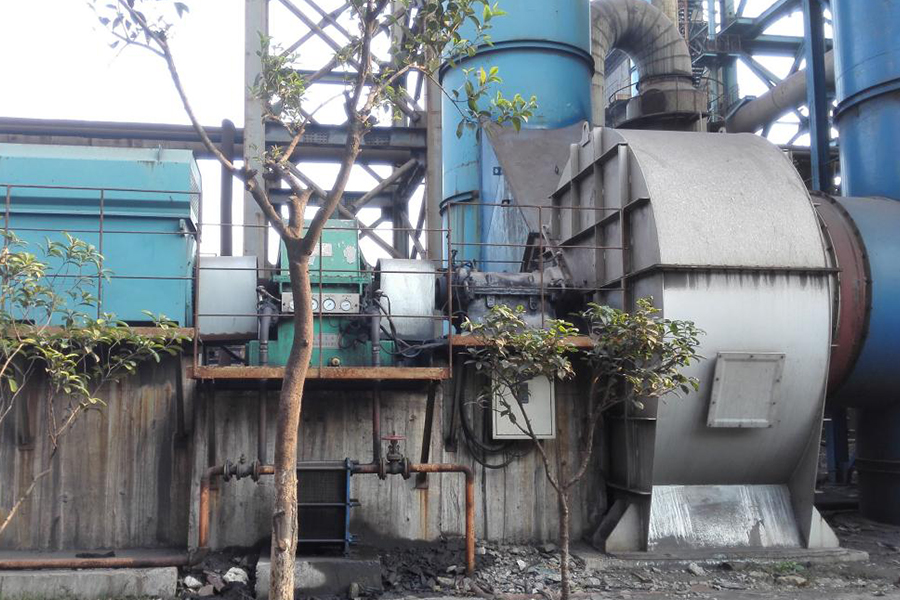
Desulfurization booster fan Product Name Air volume All-in Medium temperature Conveying medium ...
See Details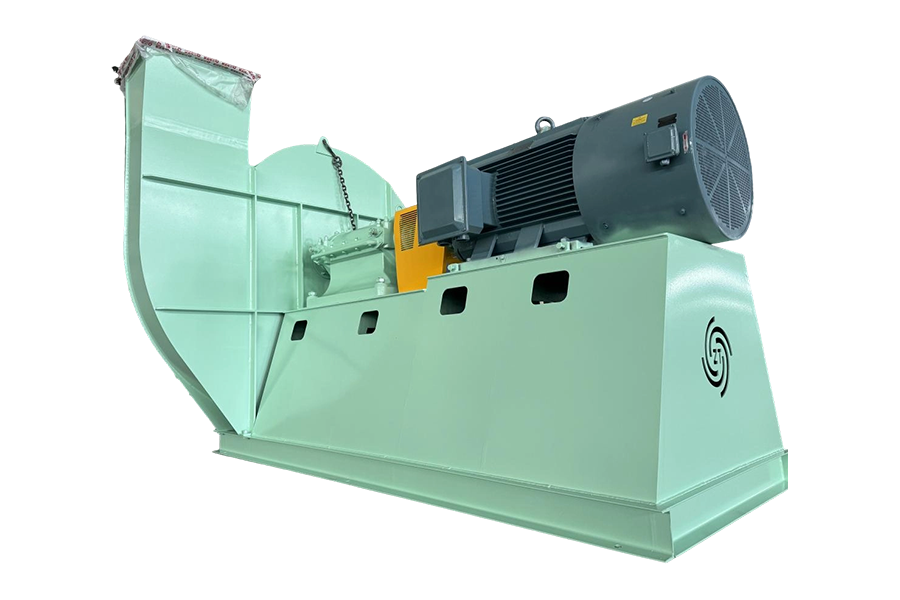
Denitrification dilution fan Product Name Air volume All-in Medium temperature Conveying medium ...
See DetailsMobile: +86-188 6157 1101
No.58 Wendong Road, Xushe Town Industrial Zone, Yixing City, Jiangsu Province, China

Copyright © JIANGSU ZT FAN CO.,LTD. All Rights Reserved.
Stainless Steel Centrifugal Fan Manufacturers


+86-188 6157 1101
