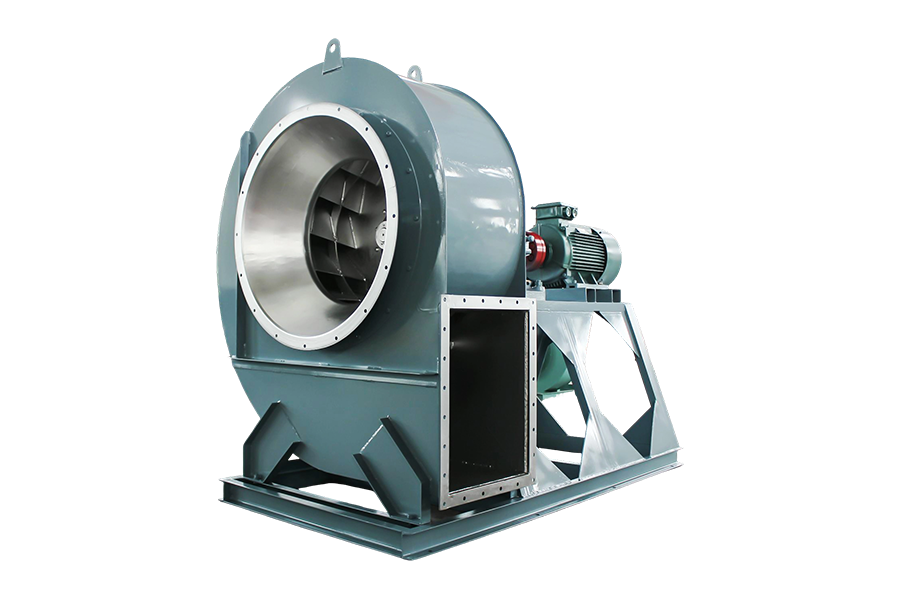
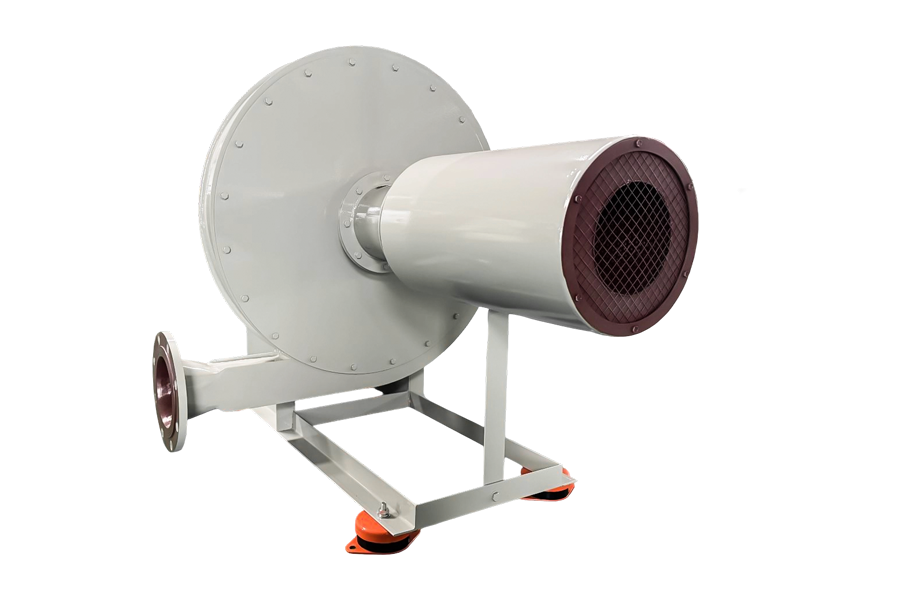
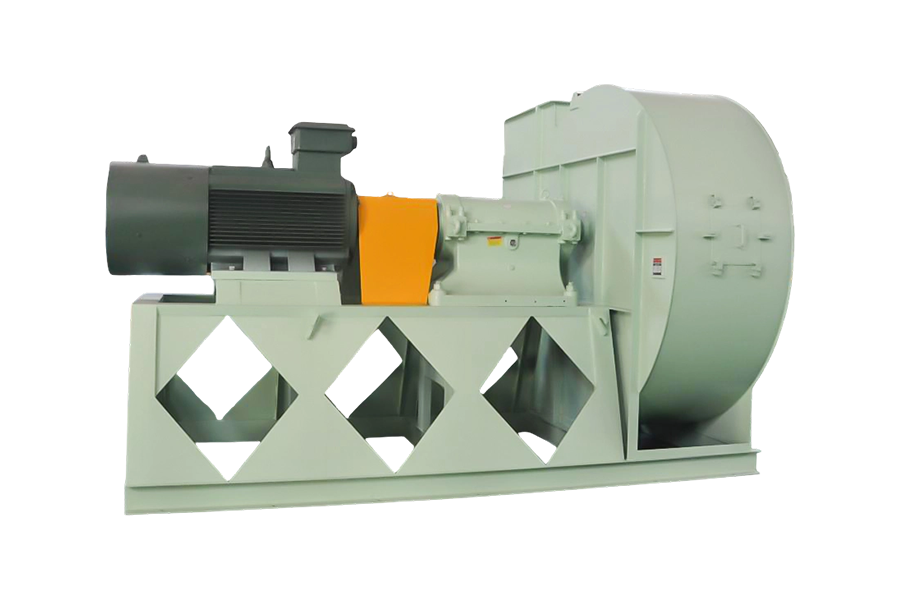
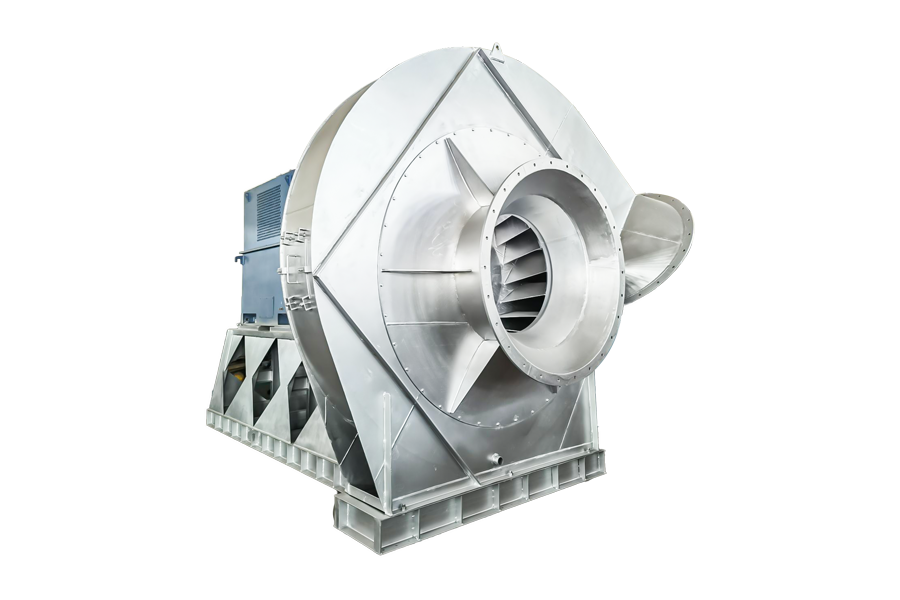
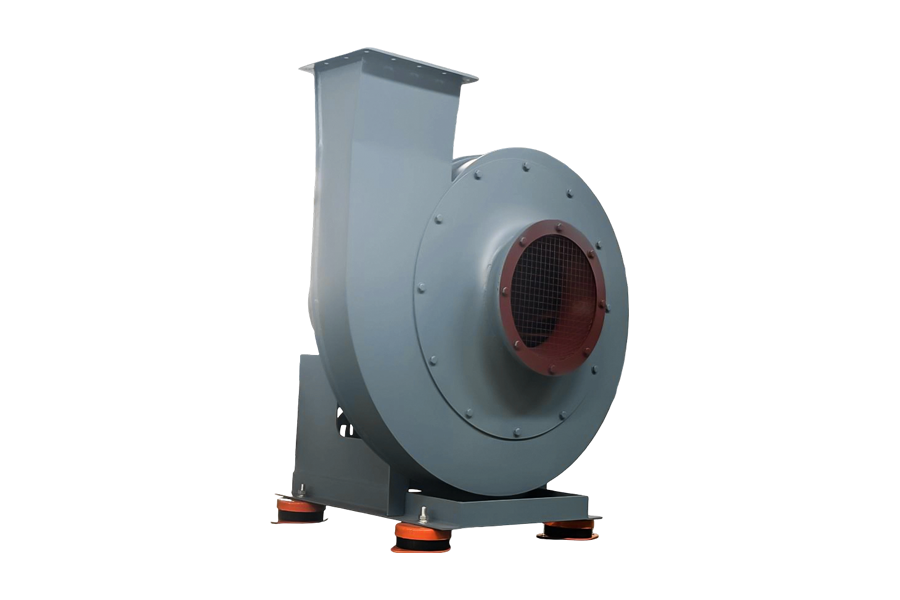
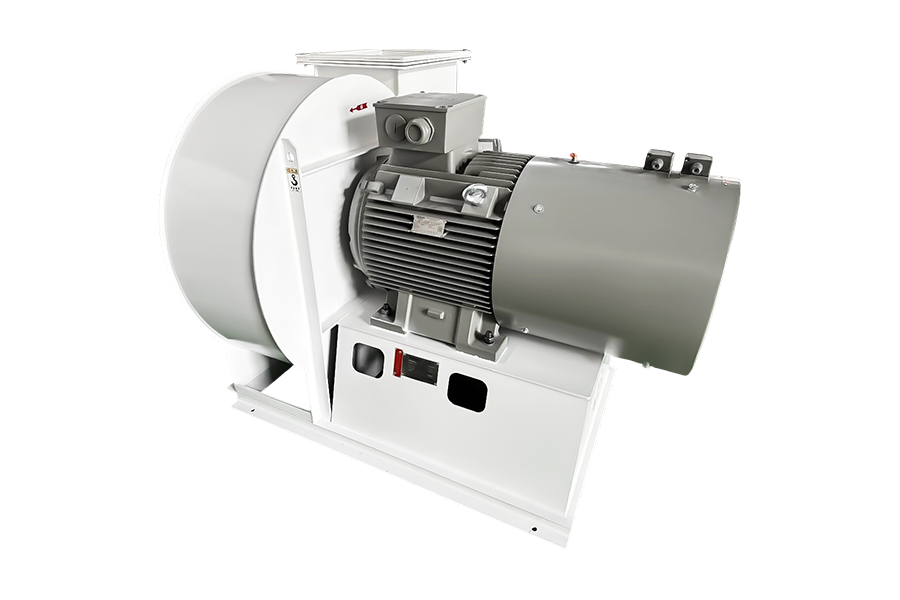
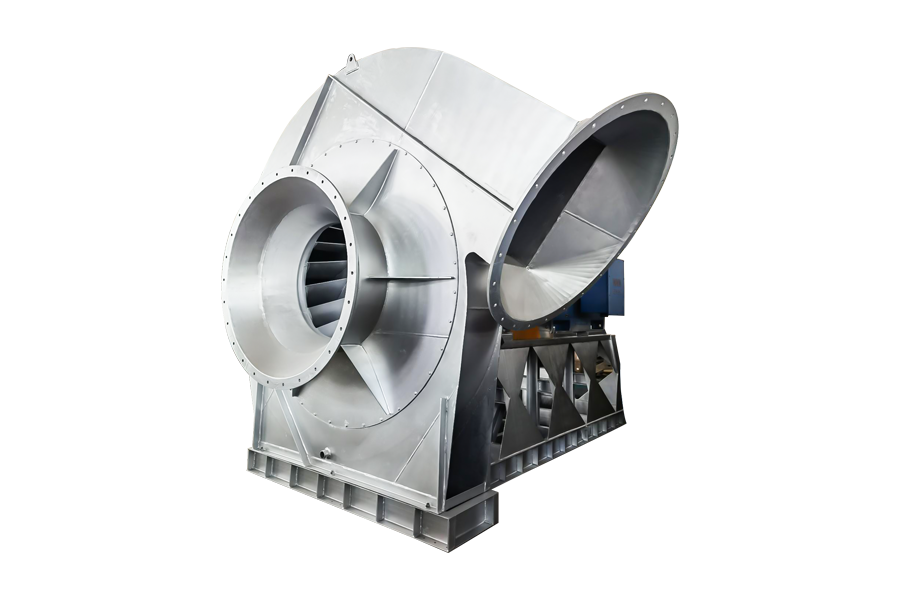
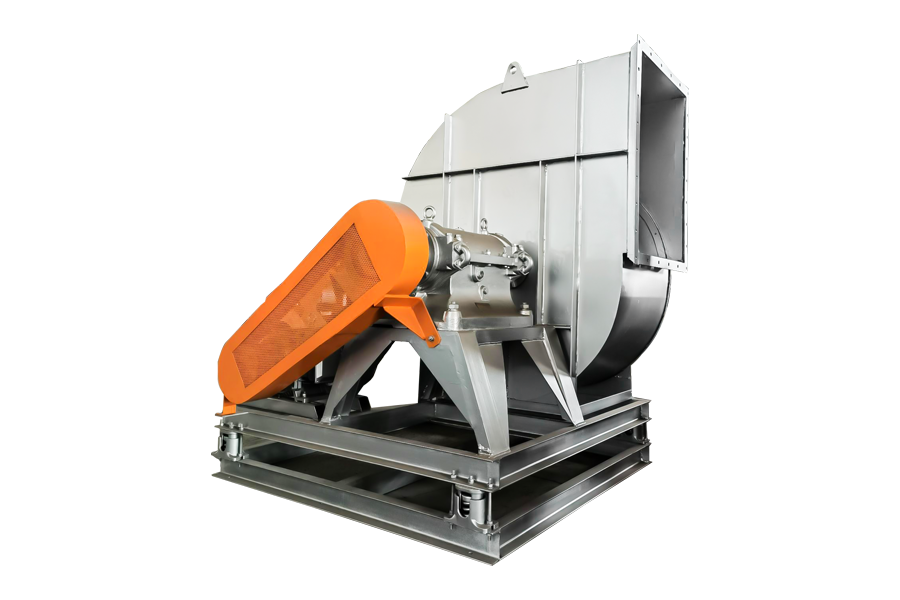
Material Selection for Centrifugal Fans in High-Temperature or Highly Corrosive Environments
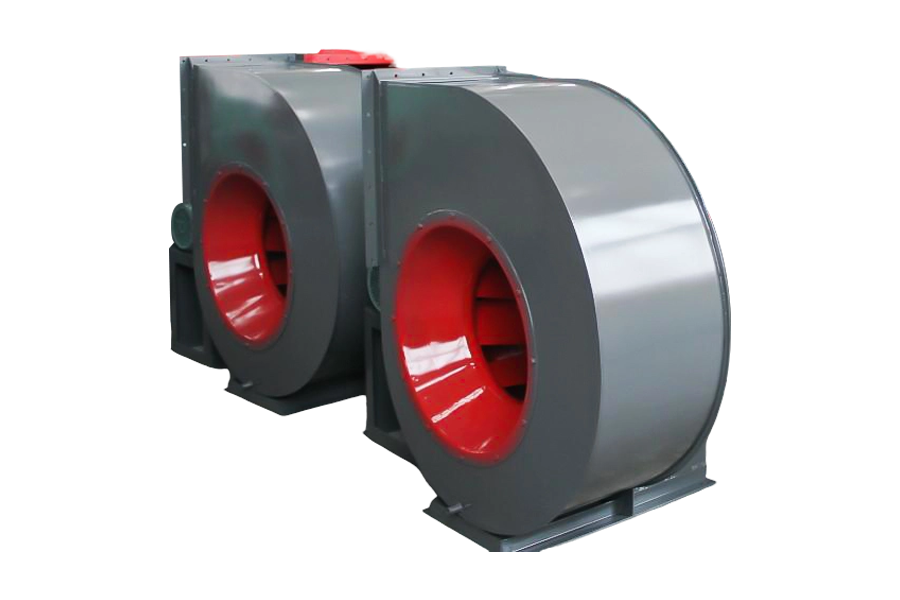
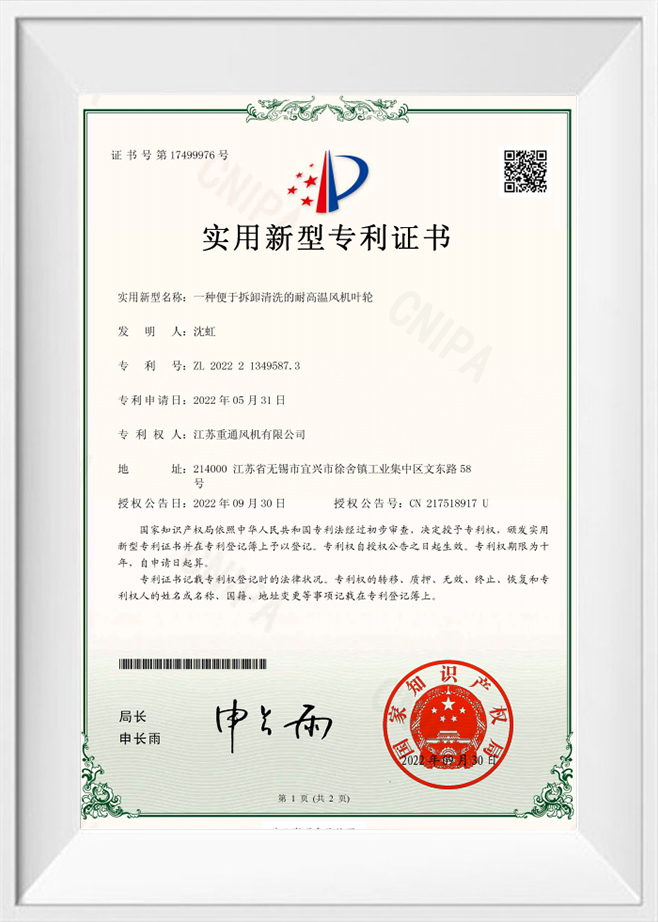
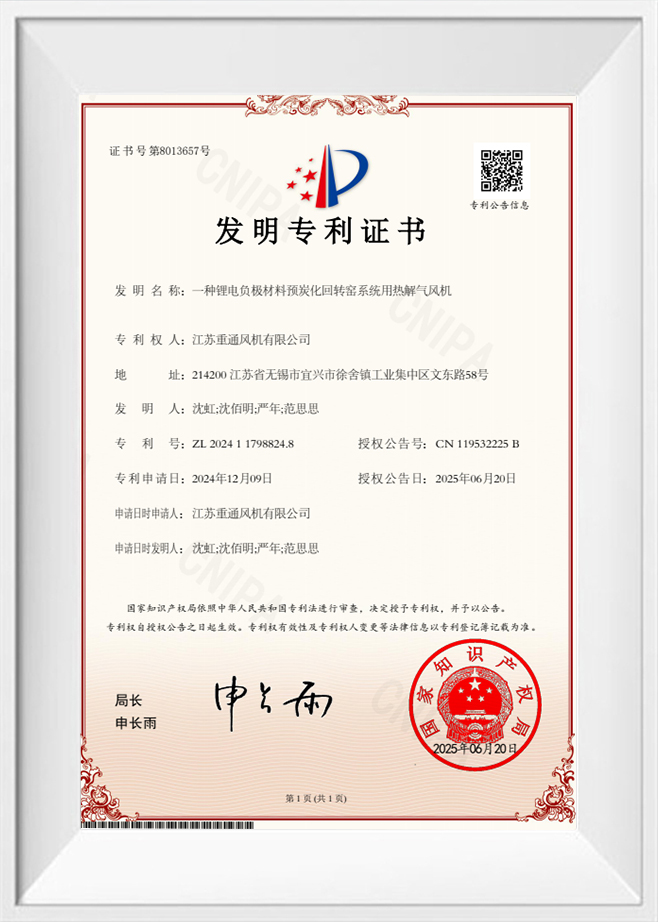
In harsh industrial environments characterized by high temperatures or strong corrosion, the material choice for a centrifugal fan directly determines the equipment's lifespan and operational safety. As a professional manufacturer with over 30 years of experience, Jiangsu ZT Fan Co., Ltd. is dedicated to solving ventilation challenges in extreme conditions through advanced material research and high-performance engineering.
1. High-Temperature Environments: Balancing Strength and Thermal Expansion
In scenarios such as lithium battery negative electrode material production and waste liquid incineration, conventional carbon steel loses physical strength or deforms due to heat. Jiangsu ZT Fan Co., Ltd. utilizes specific alloys to combat these effects:
- 300°C - 450°C: Generally, Q345R boiler steel or SS304 stainless steel is selected.
- 450°C - 600°C: SS310S (2520) or SS316L is required. These materials offer excellent oxidation resistance and high-temperature creep strength.
- Structural Optimization: When designing these fans, Jiangsu ZT Fan Co., Ltd. incorporates cooling impellers and oil/water-cooled bearing boxes to protect the transmission system from heat damage.
2. Highly Corrosive Environments: The Chemistry of Stability
For exhaust gas treatment in chemical plants or pharmaceutical companies, acid and alkali corrosion are the core challenges.
- Low to Medium Concentration: FRP (Fiber Reinforced Plastics) or carbon steel with plastic lining/anti-corrosion coatings may be used.
- High Concentration & Complex Gases: SS316L, Duplex Stainless Steel (2205/2507), or even Titanium alloys must be utilized.
- VOC Treatment: In paint booths or coating lines, materials must possess both anti-corrosive and anti-explosive properties.
3. Performance Comparison of Core Materials
To provide a clear reference for material selection, the following table quantifies the performance of common materials used by Jiangsu ZT Fan Co., Ltd.:
| Material Name |
Recommended Temp |
Corrosion Resistance |
Main Applications |
| Q235/Q345 Carbon Steel |
≤ 250°C |
Weak |
General factory exhaust, dust collectors |
| SS304 Stainless Steel |
≤ 450°C |
Medium |
Food processing, mild chemical corrosion |
| SS316L Stainless Steel |
≤ 550°C |
Strong |
Pharmaceutical waste, marine environments, VOCs |
| SS310S (2520) |
≤ 900°C |
Medium |
Solid/waste liquid incineration, high-temp flue gas |
| 2205 Duplex Steel |
≤ 400°C |
Very Strong |
Chemical emissions, desulfurization (FGD) |
| FRP (Fiberglass) |
≤ 100°C |
Very Strong |
Laboratory exhaust, acid pickling lines |
Frequently Asked Questions (FAQ)
Q1: What should be done if the fan suffers from high wear and temperature in lithium battery material production?
A: These conditions require materials with both high hardness and heat resistance. Jiangsu ZT Fan Co., Ltd. recommends using wear-resistant alloy steel or applying tungsten carbide coatings to the impeller surface. Since our establishment in 1990, we have developed specialized centrifugal fan solutions for the lithium battery industry, extending equipment life through enhanced dynamic balance and material toughness.
Q2: How do you prevent fan corrosion in chemical plants with complex mixed acid/alkali gases?
A: Pollutants in the chemical industry vary greatly. Leveraging its strong R&D capabilities, Jiangsu ZT Fan Co., Ltd. provides "customized" material matching based on the customer's specific gas composition. For example, in acid pickling stages of steel mills or metal smelting, we prioritize 2205 duplex stainless steel, which offers much higher yield strength and pitting resistance than standard stainless steel.
Q3: Why choose Jiangsu ZT Fan Co., Ltd. as a partner for waste gas treatment systems?
A: Jiangsu ZT Fan Co., Ltd. is a professional manufacturer integrating R&D, design, production, sales, and after-sales service. We provide system solutions, not just products. Whether for power plant desulfurization, solid waste incineration, or VOC treatment in coating lines, we utilize over thirty years of production data to offer the most cost-effective material selection and structural design for our clients.
The Decisive Impact of Foundation Design on the Service Life of Large Centrifugal Fans
For an industrial-grade Large Centrifugal Fan, the foundation design is not merely a platform to support weight; it is the "lifeline" that maintains dynamic precision and extends mechanical life. As a professional manufacturer with over 35 years of deep-seated experience, Jiangsu ZT Fan Co., Ltd. always regards the scientific integrity of foundation design as the cornerstone of project success when providing supporting solutions for steel mills, power plants, and incineration systems.
1. Resonance Avoidance and Frequency Tuning
Large fans generate excitation frequencies during high-speed operation. If the natural frequency of the foundation is close to the operating speed frequency of the fan, severe resonance will occur.
- Jiangsu ZT Fan Co., Ltd. engineering specifications recommend that the mass of the foundation should typically be 3 to 5 times the mass of the machine unit.
- The natural frequency of the foundation should avoid the rotation frequency by at least 20% to prevent vibration energy feedback from causing premature bearing fatigue.
2. Uniform Load Distribution and Thermal Displacement Control
In conditions such as waste incineration or steel smelting, fans handle high-temperature gases, leading to significant thermal challenges.
- Thermal Expansion Control: Foundation design must reserve space for thermal compensation displacement.
- When designing a Large Centrifugal Fan, Jiangsu ZT Fan Co., Ltd. provides precise sliding support parameters to ensure the casing can expand freely without internal stress, which prevents alignment failure of the main shaft.
3. Damping Characteristics and Secondary Grouting Quality
Excellent secondary grouting ensures that the baseplate and the foundation are perfectly integrated.
- Vibration Absorption: High-strength, non-shrink grouting materials maximize the transmission of dynamic loads to the ground.
- If improper foundation design leads to cracking in the grouting layer, it causes anchor bolts to loosen, triggering violent vibrations that drastically shorten the fan's lifespan.
Comparison of Foundation Parameters: Stable vs. Poor Design
| Evaluation Dimension |
Professional Design (ZT Fan Standard) |
Non-Professional/Poor Foundation |
Impact on Service Life |
| Mass Ratio (Foundation/Equipment) |
Mass of Foundation ≥ 3 × Mass of Equipment |
Mass of Foundation < 2 × Mass of Equipment |
Insufficient mass leads to excessive vibration intensity. |
| Vibration Velocity (RMS) |
≤ 2.8 mm/s (Excellent) |
> 7.1 mm/s (Dangerous) |
High vibration reduces bearing life by more than 50%. |
| Bolt Preload |
Constant with anti-loosening structures |
Prone to loosening and fatigue fracture |
Bolt failure can trigger major safety accidents. |
| Alignment Stability |
Long-term precision < 0.05mm |
Permanent deviation due to settlement |
Increases coupling wear and energy consumption. |
Frequently Asked Questions (FAQ)
Q1: Why is geological survey mandatory before installing a Large Centrifugal Fan in steel or power plants?
A: Large fans carry heavy dynamic loads. If the soil bearing capacity is uneven, it leads to non-uniform foundation settlement, which destroys the horizontality of the main shaft. Jiangsu ZT Fan Co., Ltd. has over 30 years of experience serving the steel and power industries; we know that even a tiny tilt in the foundation can lead to impeller imbalance. Therefore, we assist customers in evaluating ground load requirements during the initial design phase.
Q2: Can the vibration of an already installed Large Centrifugal Fan be solved by reinforcing the foundation?
A: If the vibration is caused by insufficient foundation stiffness leading to resonance, it can be mitigated by increasing foundation mass or adding damping shock absorbers. Jiangsu ZT Fan Co., Ltd. maintains a professional after-sales department capable of using precision vibration analyzers to diagnose fans in factory exhaust, dust collection, and lithium battery lines, saving equipment life through foundation reinforcement or realignment.
Q3: Does Jiangsu ZT Fan Co., Ltd. have special requirements for foundation materials in VOC or acid-alkali emission systems?
A: In chemical and pharmaceutical waste gas treatment, the foundation must be resistant to both vibration and chemical corrosion. Established in 1990, Jiangsu ZT Fan Co., Ltd. recommends applying anti-corrosion coatings or using acid-resistant grouting when designing these systems to prevent chemical media from corroding the reinforced steel structure, ensuring a service life of 10-15 years for the large centrifugal fan.

 Contact Us
 Language
 English
 русский
 Español