Content
In the realm of heavy industry, Large Centrifugal Fans serve as the vital "lungs" of complex mechanical systems. Unlike standard ventilation units, these robust machines are engineered to handle massive volumes of air or gas at significant pressures, facilitating essential processes ranging from combustion air supply to hazardous waste extraction.
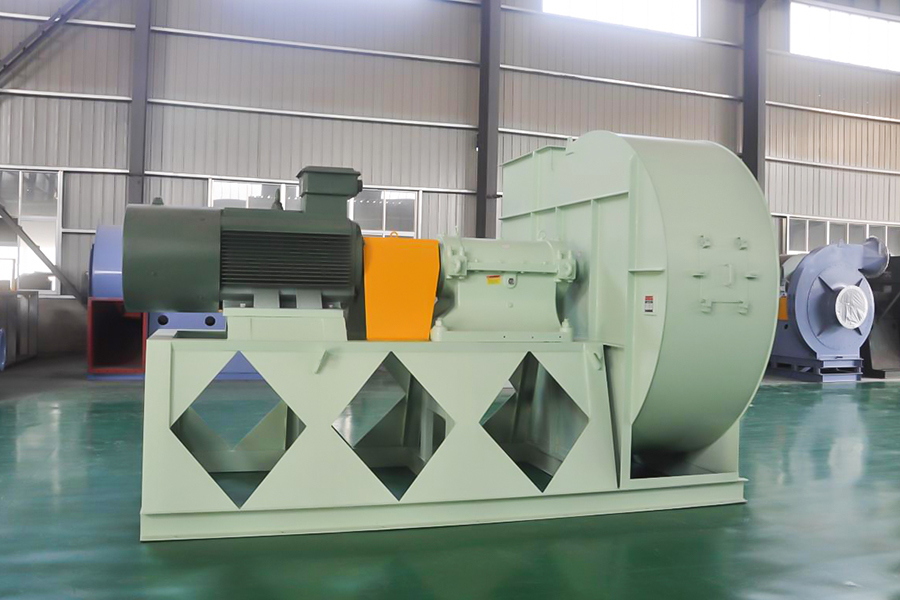
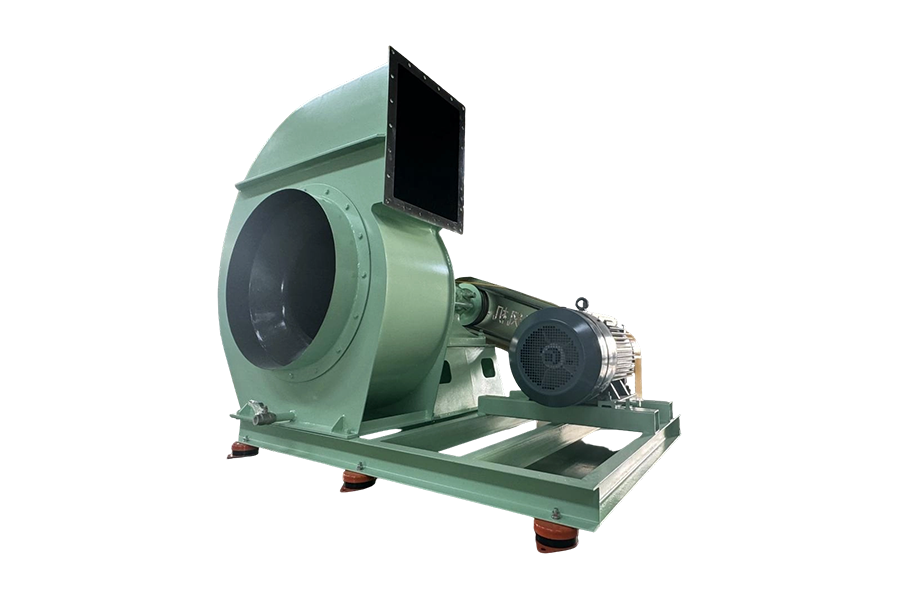
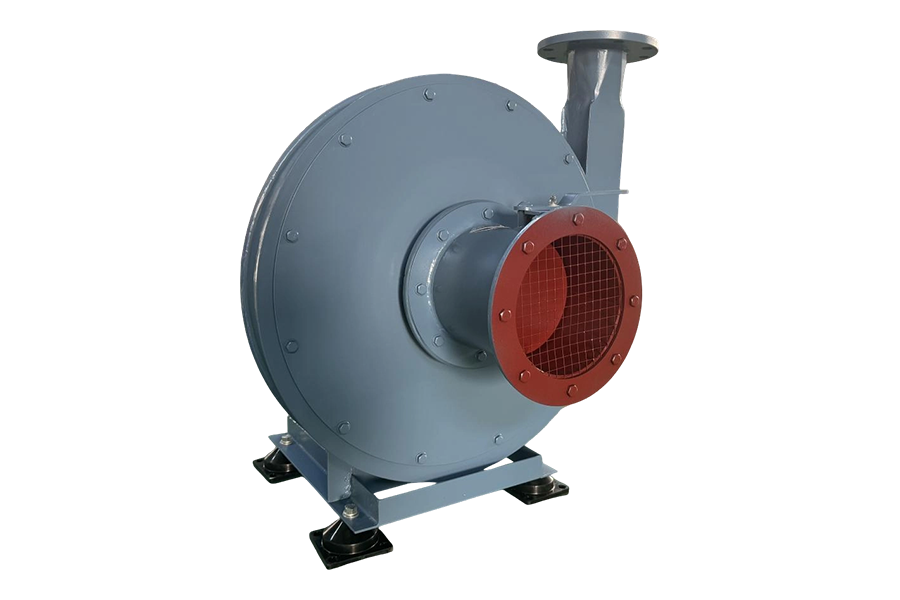
A large centrifugal fan is defined by its ability to accelerate air radially, using a high-speed rotating impeller to increase the kinetic energy of the gas stream. This energy is then converted into static pressure as the gas expands and exits the fan housing. Key characteristics include:
For modern infrastructure, the reliability of these fans is non-negotiable. Jiangsu ZT Fan Co., Ltd., established in 1990, has recognized this critical need by becoming a professional centrifugal fan manufacturing company that integrates research and development, design, production, sales, and after-sales service. Their expertise ensures that these massive components can run continuously in demanding sectors such as power generation and chemical processing.
These fans are widely utilized in:
To understand the scale and capability of "Large" centrifugal fans, it is helpful to compare them against standard industrial units. The following table illustrates the typical performance divergence:
| Parameter | Medium Industrial Fan | Large Centrifugal Fan |
| Airflow Capacity (m³/h) | 500 – 20,000 | 20,000 – 1,000,000+ |
| Pressure Range (Pa) | 500 – 3,000 | 3,000 – 25,000+ |
| Impeller Diameter (mm) | 300 – 800 | 1,000 – 4,500+ |
| Main Drive Power (kW) | 1.1 – 45 | 55 – 5,000+ |
| Material Specifications | Standard Carbon Steel / Plastic | Hardox Wear-resistant Steel / Stainless Steel / Alloy |
| Typical Application | General HVAC / Small Workshops | Power Plant Boilers / Sintering / Large Dust Collectors |
The design philosophy behind products from Jiangsu ZT Fan Co., Ltd. emphasizes the balance between aerodynamic efficiency and mechanical longevity. In pharmaceutical companies' waste disposal systems or chemical enterprises' pollutant emission treatment systems, even a minor failure can lead to significant environmental risks or production downtime. Therefore, the introduction of a large centrifugal fan is not merely a purchase of hardware, but an investment in the stability of the entire industrial workflow.
The operational efficiency of a Large Centrifugal Fan relies on the precise conversion of mechanical energy into fluid energy. This process is governed by centrifugal force, where the air enters the fan housing axially (parallel to the shaft) and is deflected 90 degrees by the rotating blades, exiting radially.
As the impeller rotates, it creates a localized vacuum at the inlet, drawing air into the center. The blades then "throw" the air outward toward the casing wall. During this movement, the gas gains velocity and kinetic energy. The volute casing, which gradually increases in area toward the discharge point, slows down the high-speed air, effectively converting dynamic pressure into static pressure.
Engineering excellence at Jiangsu ZT Fan Co., Ltd. ensures that each component is optimized for specific industrial stressors, such as the high temperatures found in waste liquid incineration systems or the abrasive particles in dust collectors.
Selecting the right blade profile is essential for balancing energy consumption and maintenance cycles. The following parameters contrast the three primary blade types used in large-scale operations:
| Feature | Backward Curved | Forward Curved | Radial / Paddle Wheel |
| Peak Efficiency | High (Up to 85-90%) | Medium (60-75%) | Low (50-65%) |
| Pressure Capability | High Static Pressure | Low to Medium Pressure | Very High Pressure |
| Dust Tolerance | Low (Sensitive to buildup) | Medium | Very High (Self-cleaning) |
| Stability Range | Wide Operating Range | Narrow (Risk of surging) | Stable for high-stress use |
| Common Application | VOC treatment / Clean Exhaust | General Ventilation | Solid waste incineration / Mining |
Because Jiangsu ZT Fan Co., Ltd. specializes in systems like lithium battery negative electrode material production lines and pharmaceutical waste disposal, their component designs often incorporate specialized coatings. For chemical enterprises, the casing and impeller may be treated with anti-corrosive linings or manufactured from high-grade stainless steel to ensure the Large Centrifugal Fan survives the corrosive nature of pollutant emission treatment.
To evaluate the suitability of a Large Centrifugal Fan for a specific industrial process, engineers must look beyond simple horsepower. Performance is defined by a set of interconnected metrics that determine how much air can be moved, the resistance it can overcome, and the energy required to do so. At Jiangsu ZT Fan Co., Ltd., these metrics are rigorously tested to ensure compliance with global standards like ISO 5801.
The relationship between Flow Rate (Q) and Pressure (P) is the foundation of fan selection. In large-scale applications such as power plant boilers or steel mills, the fan must maintain a stable flow even as system resistance changes due to filter loading or damper adjustments.
For a Large Centrifugal Fan operating 24/7 in a lithium battery negative electrode material production line or a cement kiln, even a 1% increase in efficiency can result in massive annual electricity savings. Efficiency is generally categorized into:
Specific speed is a non-dimensional index used by designers to predict the best "shape" of a fan impeller for a given duty point. It helps in deciding whether a radial, backward-inclined, or airfoil blade is most appropriate for the required pressure and volume.
The following table outlines the typical performance envelopes for large-scale industrial fans used in various high-demand sectors:
| Metric | Waste Incineration / VOC Treatment | Steel Mill / Sintering Fans | Power Plant Boiler Fans |
| Typical Flow (m³/h) | 30,000 – 150,000 | 200,000 – 800,000 | 100,000 – 600,000 |
| Operating Temp (°C) | Up to 250°C | Up to 450°C | Up to 350°C |
| Static Pressure (Pa) | 4,000 – 8,000 | 12,000 – 20,000 | 6,000 – 15,000 |
| Vibration Limit (mm/s) | < 2.8 (RMS) | < 4.5 (RMS) | < 3.0 (RMS) |
| Material Focus | Corrosion Resistance (SS316/FRP) | High Wear Resistance (Hardox) | Thermal Stability / Efficiency |
Large rotating masses inherently generate vibration. Jiangsu ZT Fan Co., Ltd. implements strict dynamic balancing for every impeller to keep vibration levels within the "satisfactory" range (typically below 2.5 mm/s for rigid mounts). Noise levels are also a critical metric, especially for pharmaceutical companies' waste disposal systems located near urban areas; large fans often require silencers or acoustic enclosures to stay below the OSHA-mandated 85-90 dB(A) threshold.
Choosing the correct Large Centrifugal Fan is a complex engineering task that involves matching the fan’s aerodynamic capabilities with the specific physical and chemical properties of the gas being moved. Jiangsu ZT Fan Co., Ltd. leverages decades of data to classify fans based on their intended environment, ensuring longevity in high-stress applications like metal smelting or lithium battery production.
Centrifugal fans are primarily categorized by the amount of pressure they can generate, which dictates the thickness of the housing and the reinforcement of the impeller:
Standard fans will quickly fail if the medium is corrosive, explosive, or extremely hot. Jiangsu ZT Fan Co., Ltd. provides specialized configurations for these challenges:
The following table serves as a guide for selecting the optimal fan configuration based on the industrial sector and the nature of the gas stream:
| Application Environment | Dominant Requirement | Recommended Fan Design |
| Lithium Battery Material Production | Purity and Precision | High-Efficiency Backward Inclined (Clean air focus) |
| Pharmaceutical Waste Disposal | Chemical Stability | Stainless Steel / Corrosion-Resistant Coated Impeller |
| Steel Mill / Sintering | Abrasion Resistance | Radial Tipped / Wear-resistant Hard-facing (Hardox) |
| Paint Booth VOC Treatment | Spark Prevention | Explosion-Proof (ATEX/CNEx rated) Construction |
| Solid Waste Incineration | High Temperature | Induced Draft (ID) Fan with Thermal Expansion Joints |
When consulting with Jiangsu ZT Fan Co., Ltd. for a custom solution, the following factors must be provided to ensure accurate selection:
The versatility of a Large Centrifugal Fan allows it to adapt to diverse industrial ecosystems. Each sector presents unique challenges—be it extreme heat, corrosive chemistry, or heavy particulate matter. Jiangsu ZT Fan Co., Ltd. has optimized its engineering designs to meet these specific sectoral demands, ensuring that the "industrial lungs" remain operational under the most grueling conditions.
In power plants and incineration facilities, large centrifugal fans are critical for the combustion cycle. They generally serve two roles: Forced Draft (FD) fans that push air into the boiler, and Induced Draft (ID) fans that pull flue gas through the treatment system.
Chemical enterprises' pollutant emission treatment systems and pharmaceutical companies' waste disposal systems require fans that can withstand constant exposure to volatile organic compounds (VOCs) and corrosive vapors.
The rise of the "Green Economy" has introduced new high-precision applications for large-scale ventilation.
Factory exhaust treatment systems and large-scale dust collectors rely on the high static pressure of centrifugal fans to pull dust-laden air through fabric filters or electrostatic precipitators.
The following table highlights the distinct operational requirements across these core industries:
| Industry Sector | Primary Gas Characteristic | Critical Design Feature |
| Lithium Battery Production | High Purity / Inert Gas | High-Precision Dynamic Balance / Leak-proof Seals |
| Waste Incineration | High Temp (250°C+) / Corrosive | Heat-resistant Alloys / Water-cooled Bearings |
| Metal Smelting | High Dust Loading / Abrasive | Heavy-duty Liners / Replaceable Wear Plates |
| Pharmaceutical / Chemical | Acidic / Alkaline Vapors | Stainless Steel / FRP / Anti-corrosive Coatings |
| Paint Booth / Coating Line | Flammable VOCs | Spark-resistant Inlets / Explosion-proof Motors |
For any of these applications, a fan shutdown means a total production halt. This is why Jiangsu ZT Fan Co., Ltd. emphasizes integrated after-sales service. Whether it is a steel mill's sintering fan or a chemical plant's emission system, the ability to monitor performance metrics in real-time ensures that the Large Centrifugal Fan continues to operate at peak efficiency with minimal risk of catastrophic failure.
A Large Centrifugal Fan is a high-speed rotating machine with significant mass; therefore, even minor irregularities can escalate into major mechanical failures. For industries like power plants or lithium battery negative electrode material production lines, unplanned downtime is extremely costly. Jiangsu ZT Fan Co., Ltd. emphasizes a proactive maintenance strategy to extend the service life of the equipment and ensure safety.
Vibration is the most common indicator of a fan's health. Excessive vibration can lead to bearing failure, shaft fatigue, or even catastrophic structural damage to the casing.
Bearings are the most "consumable" part of a large fan system. In high-temperature applications like solid waste incineration systems, bearing health is critical.
The following table provides a diagnostic overview of common issues encountered during the operation of large-scale centrifugal fans:
| Problem | Possible Cause | Recommended Action |
| Excessive Vibration | Impeller buildup or wear; loose mounting bolts. | Clean impeller; check balance; tighten all hardware. |
| High Bearing Temp | Over-lubrication or wrong lubricant; misalignment. | Verify lubrication levels; check shaft alignment. |
| Unusual Noise | Impeller rubbing casing; dry bearings; surge. | Inspect internal clearances; lubricate immediately. |
| Low Airflow/Pressure | Incorrect fan rotation; clogged filters; duct leaks. | Check motor wiring; inspect factory exhaust filters. |
| System "Surging" | Operating too far left on the performance curve. | Adjust dampers or use VFD to change fan speed. |
In high-pressure applications, such as waste liquid incineration systems, "Surging" occurs when the system resistance is too high for the volume of air being moved. This causes the air to momentarily reverse direction, creating a violent pulsating effect. Jiangsu ZT Fan Co., Ltd. recommends using Variable Frequency Drives (VFD) to avoid the surge zone during partial load conditions.
For fans operating in pollutant emission treatment systems or dust collectors, a "run-to-fail" approach is dangerous. Maintenance teams should perform:
As we move through 2026, the evolution of Large Centrifugal Fans is being driven by two main forces: the global push for decarbonization and the rapid integration of the Industrial Internet of Things (IIoT). Modern industrial systems no longer view the fan as a standalone component but as an intelligent, data-driven asset within a circular economy.
With tightening environmental regulations, energy conservation is the top priority for manufacturers like Jiangsu ZT Fan Co., Ltd. Technology has shifted from simple mechanical adjustments to high-tech system-level engineering:
The integration of Agentic AI and IIoT sensors allows fans to "communicate" their health status in real-time. This is especially transformative for pharmaceutical companies' waste disposal systems and chemical enterprises' pollutant emission treatment systems, where reliability is critical.
The following table illustrates the technological leap from conventional fans to the next-generation intelligent units:
| Feature | Traditional Centrifugal Fan | Intelligent "Green" Fan (2026) |
| Control Method | Manual Dampers / Fixed Speed | AI-Driven VFD / Adaptive PWM Control |
| Maintenance | Reactive (Fix when broken) | Predictive (AI-triggered work orders) |
| Motor Technology | Standard Induction (IE1/IE2) | EC / Permanent Magnet (IE4/IE5) |
| Data Connectivity | None (Isolated) | Full IIoT / SCADA / Cloud Integration |
| Efficiency Focus | Peak Performance Point only | Optimized "System-Wide" Energy Curve |
The Large Centrifugal Fan remains an indispensable cornerstone of industrial infrastructure. From the intense heat of metal smelting to the precision-required environments of lithium battery negative electrode material production, these machines provide the necessary airflow and pressure to keep global industry moving.
As a leader in the field since 1990, Jiangsu ZT Fan Co., Ltd. continues to bridge the gap between heavy-duty mechanical engineering and modern digital intelligence. By focusing on high-efficiency designs, specialized material applications for corrosive or high-temperature gases, and robust after-sales support, they ensure that factory exhaust treatment systems and power plant operations remain both productive and compliant with modern environmental standards. The future of the centrifugal fan is not just about moving air; it is about doing so with maximum intelligence and minimum environmental impact.
Your email address will not be published. Required fields are marked*
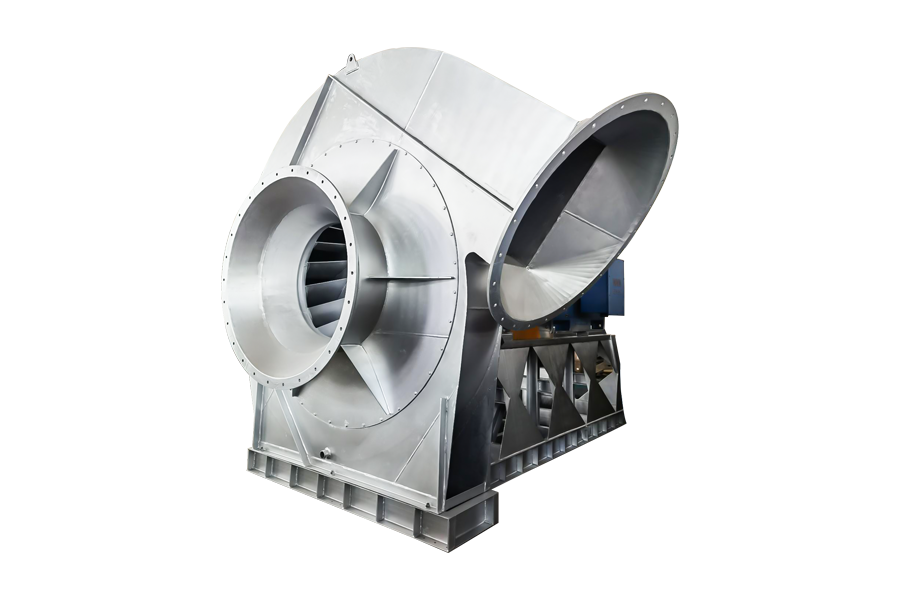
Category: Environmental Protection Industry - Centrifugal Fan for Solid and Liquid Waste Rotary Kiln...
See Details
Category: Environmental Protection Industry - Centrifugal Fan for Solid and Liquid Waste Rotary Kiln...
See Details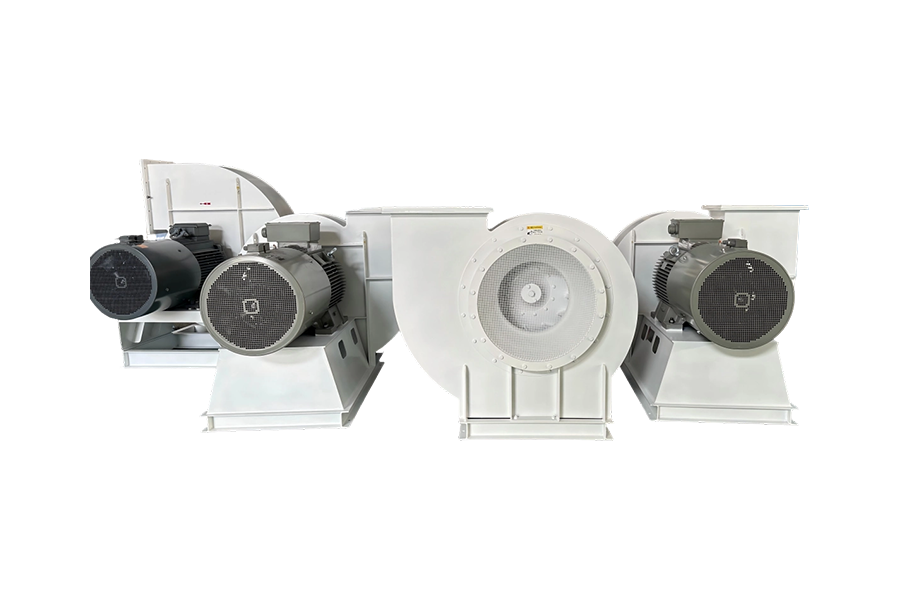
Category: Environmental Protection Industry - Centrifugal Fan for Solid and Liquid Waste Rotary Kiln...
See DetailsMobile: +86-188 6157 1101
No.58 Wendong Road, Xushe Town Industrial Zone, Yixing City, Jiangsu Province, China

Copyright © JIANGSU ZT FAN CO.,LTD. All Rights Reserved.
Stainless Steel Centrifugal Fan Manufacturers


+86-188 6157 1101


 Contact Us
 Language
 English
 русский
 Español