
 Contact Us
 Language
 English
 русский
 Español
Main fan Product Name Air volume All-in Medium temperature Conveying medium Main fan 1000-30000...
See Details
Content
At a cement plant, a kiln tail exhaust fan failed after fourteen months. Maintenance replaced the bearings twice, but the real fault was deeper: the impeller, made of ordinary carbon steel, had been cycled between cold start-up and a 320°C gas stream until it cracked at the weld toes. The lasting fix was not a thicker shaft — it was a high temperature centrifugal fan engineered from the impeller material upward, with cooled bearings, sealed shaft, and thermal expansion clearances matched to the duty. This guide explains what separates those fans from standard units, what to specify, and where they are used.
A standard industrial centrifugal fan is usually rated for process air up to roughly 150°C. Above that, the same fan fails in ways that have nothing to do with the motor: the impeller loses strength, scale forms on the blades, the shaft conducts heat into the bearing, and the housing expands at a different rate than the rotor. A high temperature centrifugal fan closes those gaps by design.
Simply put, high temperature units are built for sustained gas temperatures above 150–200°C, with duty-specific versions handling 300°C, 400°C, and in the hardest kiln-tail and furnace positions, peaks beyond 600°C. Operating temperature dictates material, cooling, and rotor construction; the hotter the duty, the less room for shortcuts.
| Gas temperature | Typical impeller material | Typical application |
|---|---|---|
| 150–250°C | High-strength carbon steel (Q345, 16Mn) or alloy steel | Drying lines, oven exhaust, heat recovery |
| 250–400°C | Alloy steel (15CrMo, 12Cr1MoV) or 304/316 stainless steel | Cement kiln tail exhaust, catalytic combustion, furnace off-gas |
| 400–600°C | Heat-resistant alloy steel with cooled shaft and sealing air | Lime kiln high temperature induced draft, waste rotary kiln treatment |
| Above 600°C (peaks) | Special heat-resistant alloys, often with air dilution | Smelting and incineration off-gas systems |
The impeller is the heart of a hot fan. As gas temperature rises, yield strength falls and oxidation accelerates. At 350°C, ordinary carbon steel keeps only a fraction of its room-temperature strength; above roughly 400°C, scaling removes blade metal over months. Specifying a fan for 350°C means nothing until the material is specified for 350°C.
For the 250–400°C band, 15CrMo and 12Cr1MoV are common because they retain yield strength at temperature and resist oxidation far better than carbon steel. Where the gas is corrosive, 304 or 316 stainless steel adds protection, though thermal fatigue still needs checking against the duty cycle. At 400°C, an alloy-steel impeller can retain more than twice the yield strength of a mild-steel impeller — the difference between a fan that lasts a decade and one that fails within two years.
Hot impellers fail at welds first. Full-penetration welds, stress-relieving, and post-weld inspection are not optional, and dynamic balancing to ISO 1940 G2.5 (or G6.3 for large industrial rotors) keeps vibration from punishing the bearings at temperature. A custom high temperature centrifugal fan starts with this conversation: what the gas contains, what temperature it reaches, and how much erosion the rotor will see.
 Custom High temperature centrifugal fan Manufacturers, Factory, CompanyJiangsu ZT Fan Co., Ltd. Is China Custom High temperature centrifugal fan Manufacturers, Factory, Company,View Product →
Material choices fail fast if the rest of the design does not isolate heat from the rotating and static hardware. Four features separate a genuine high temperature fan from a standard unit with a larger motor.
Bearings sit on the cool side of the housing, but the shaft conducts heat toward them. Radiant heat shields, insulated shaft sleeves, cooling fins, and water-cooled bearing housings hold bearing temperature inside the lubricant rating. In extreme duty, purge air through the bearing chamber adds another line of defense.
If hot gas leaks toward the bearing, the lubricant breaks down and the rotor heats unevenly. Labyrinth seals, carbon ring seals, and air-purge systems block the leak path; expansion joints on the ductwork prevent pipe loads from distorting the housing and opening seal gaps.
A rotor grows axially and radially with temperature, and the housing grows at a different rate. Clearances at the volute tongue and inlet cone must account for that movement, or the impeller rubs and vibration spikes. Slide bearings and guided supports give the housing room to expand without losing alignment.
Kiln tail and furnace gas often carries abrasive dust at blade tip speeds above 30 m/s. Hard-faced blade edges, wear liners, and thicker section tips slow erosion. The heavier the dust load, the more attention goes to wear protection; the cleaner the gas, the more attention goes to temperature.
Most failed high temperature fan orders share one root cause: the fan was selected on properties it will never see at the operating point. Work through the steps below, and the classic mistakes disappear. A deeper walk-through is available in our centrifugal fan selection guide.
Hot air expands: at 300°C, the same mass of air occupies roughly twice the volume it does at 20°C. A fan moves volume, while its pressure capability scales with gas density. Size the fan on actual inlet volume at operating temperature and on density-corrected static pressure. Ignoring this single correction is the most common reason a high temperature fan under-delivers on mass flow.
Duct runs, filters, dampers, and kiln charge create resistance at operating temperature. Because resistance rises with gas density, pressure loss is lower at temperature — but the fan curve is also flatter at lower density. Match the corrected system curve to the corrected fan curve, then add a margin of roughly 5–10% on flow and pressure. The high pressure centrifugal fan guide explains the pressure-side thinking in more detail.
Cold gas at start-up can condense moisture and acids inside the housing; a sudden hot shutdown leaves the rotor static inside a hot gas volume. Specify drains, insulation, and check whether a cold start loads the motor beyond its curve at low gas density. Variable speed drives and inlet guide vanes add the flexibility fixed-speed fans lack.
Before ordering, require material certificates for the impeller and shaft, a thermal growth calculation, a rotor balance report, and a performance curve at the actual operating temperature. If a quotation contains only a drawing and a price, it has skipped the engineering that keeps a hot fan alive. These criteria are covered in how to choose the right industrial blower fans.
High temperature centrifugal fans appear wherever process gas must be moved after combustion, drying, or reaction. The familiar patterns:
The classic duty. Cement kiln tail gas arrives at 300–400°C with a varying dust load, and the fan must survive daily thermal cycles without blade cracking. The cement kiln tail high temperature fan is engineered specifically for that position. Lime kilns place similar demands on circulation and high temperature induced draft fans.
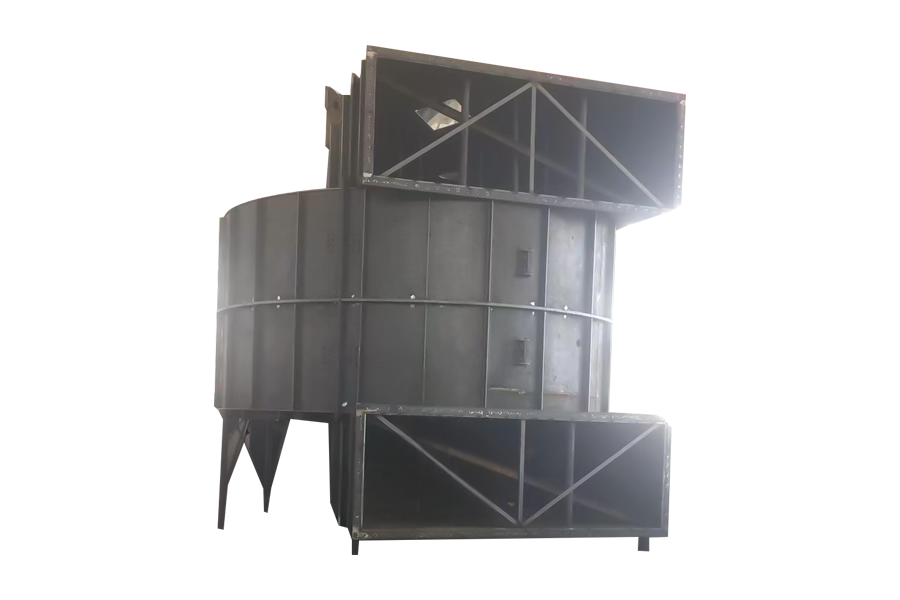 Custom Building materials industry - cement rotary kiln tail high temperature faJiangsu ZT Fan Co., Ltd. Is China Custom Building materials industry - cement rotary kiln tail high temperature fan Manufacturers, Factor...View Product →
Smelting and roasting furnaces produce hot, dusty off-gas with occasional corrosive spikes. Combustion, cooling, circulation, and exhaust fans are matched to each furnace sub-system, and material grades follow the process chemistry.
Combustion fans, rapid cooling fans, and high temperature smoke exhaust fans handle firing profiles that climb past high peaks several times per day. Thermal fatigue resistance matters more here than in steady-temperature service.
Catalytic combustion and adsorption–desorption systems move gas at elevated temperatures, and solid–liquid waste rotary kiln treatment lines need special-duty fans on the hot off-gas side. Sealing and corrosion resistance often matter as much as the temperature rating.
Hot air circulation fans move curing-oven air, and a plug-in high temperature blower mounts directly in the duct or oven wall where space is tight and the gas is hot.
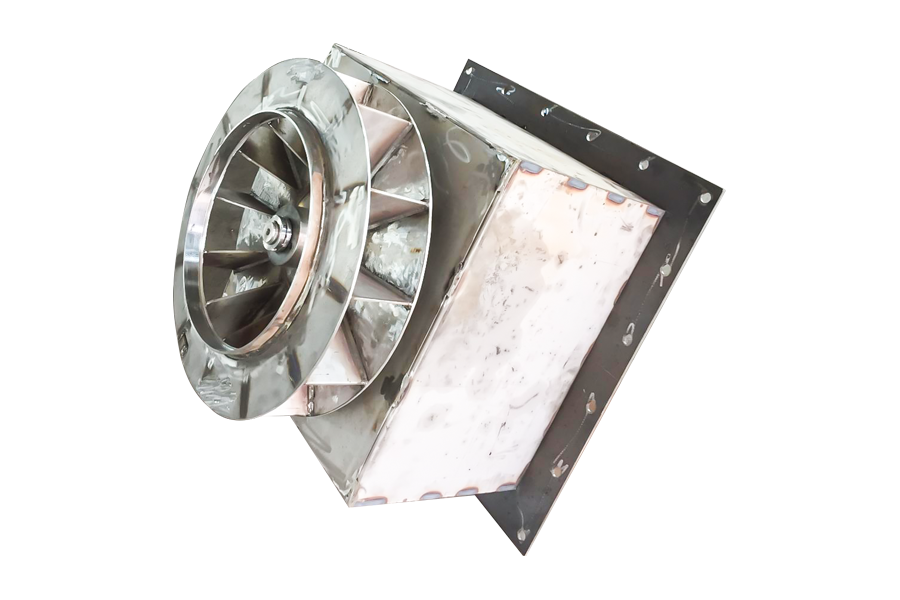 Custom Plug-in high-temperature blowers for the coating industry Manufacturers, Jiangsu ZT Fan Co., Ltd. Is China Custom Plug-in high-temperature blowers for the coating industry Manufacturers, Factory, Company, Categ...View Product →
A high temperature centrifugal fan is a long-life asset, not a commodity. Weigh four things:
Suppliers with a long application history are easier to judge. Jiangsu ZT Fan, a centrifugal fan manufacturer since 1990, has engineered high temperature fans for cement and lime kilns, metallurgical furnaces, boiler systems, waste gas treatment, and coating lines — the kind of track record that replaces guesswork with reference installations.
A high temperature centrifugal fan fails when its material, cooling, or clearances were never designed for the temperature. It survives when you define the duty at actual operating conditions, specify an impeller material that holds strength at that temperature, protect the bearings with cooling and sealing, and demand documented testing from a manufacturer who has built fans for the same process. Do that, and the fan becomes the quietest component in the plant — not the one that sets the maintenance calendar.
Your email address will not be published. Required fields are marked*
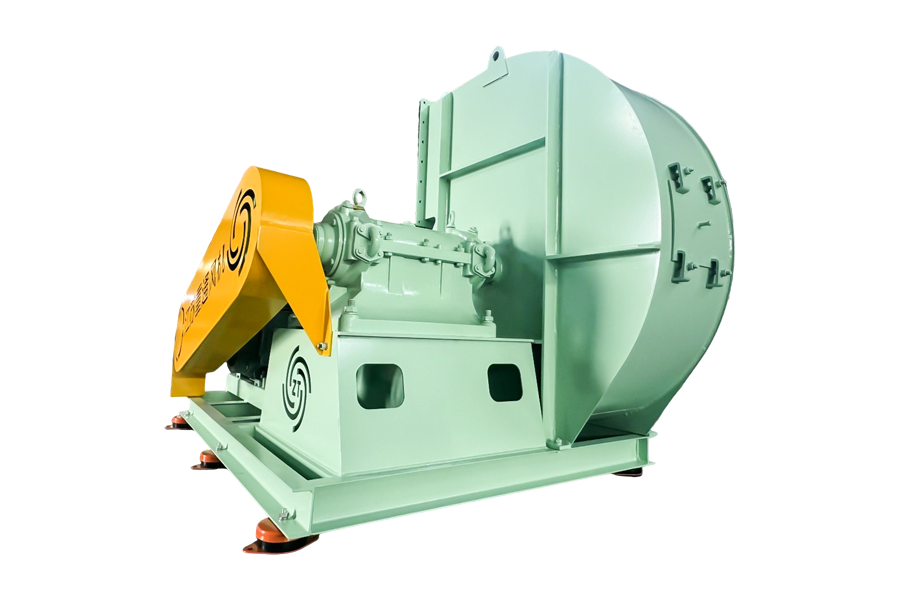
Main fan Product Name Air volume All-in Medium temperature Conveying medium Main fan 1000-30000...
See Details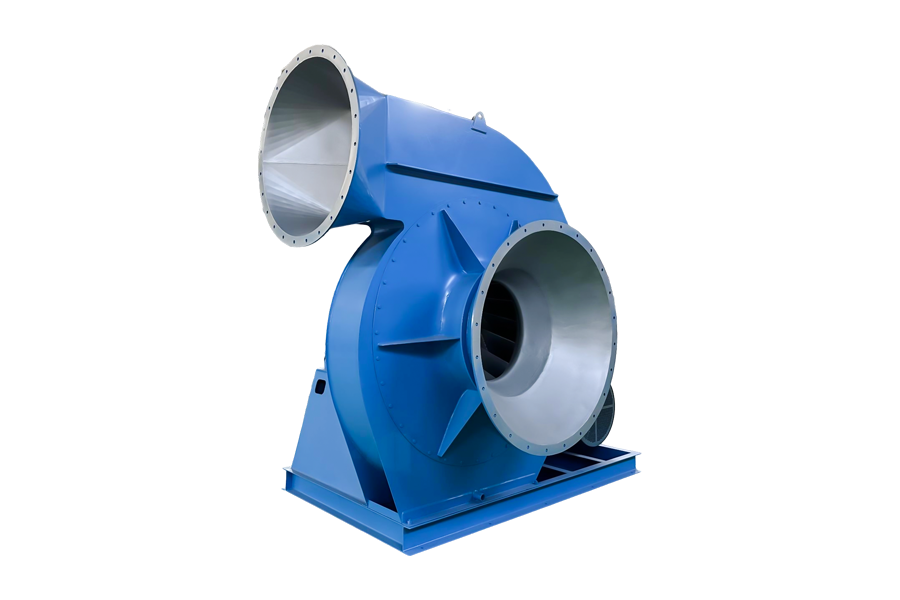
Induced draft fan Product Name Air volume All-in Medium temperature Conveying medium induced dr...
See Details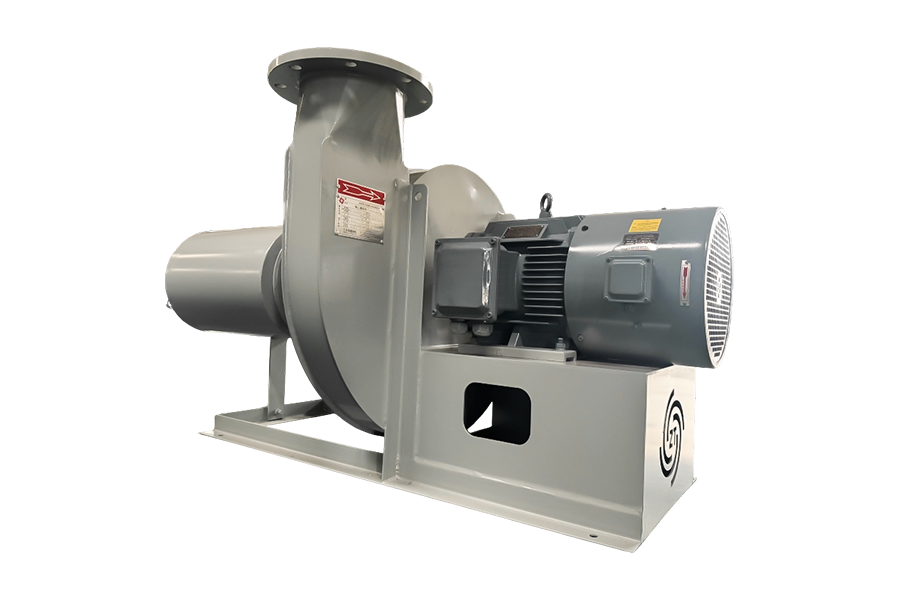
Combustion-supporting fan Product Name Air volume All-in Medium temperature Conveying medium Co...
See Details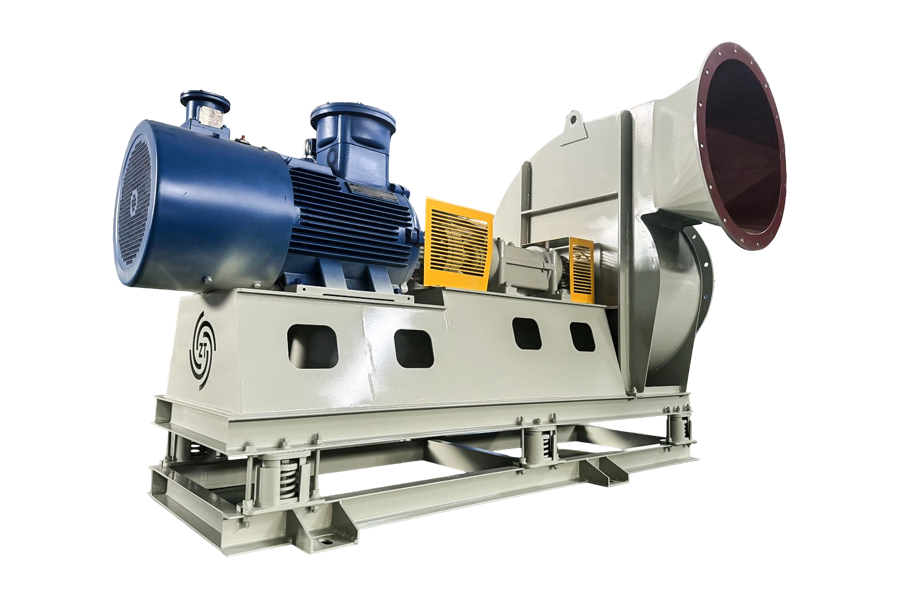
Oxygen supplement fan Product Name Air volume All-in Medium temperature Conveying medium Oxygen...
See Details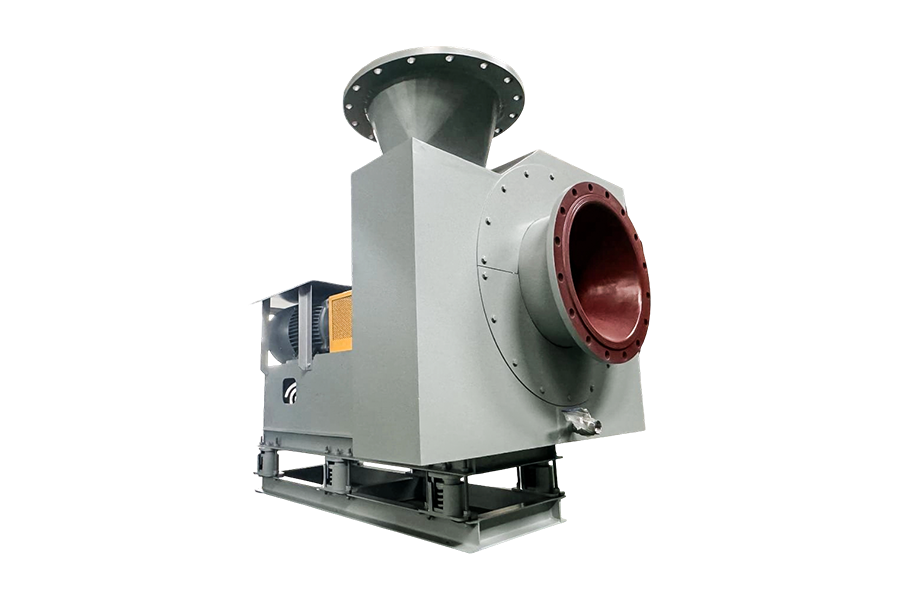
Purge fan Product Name Air volume All-in Medium temperature Conveying medium Purge fan 1000-500...
See Details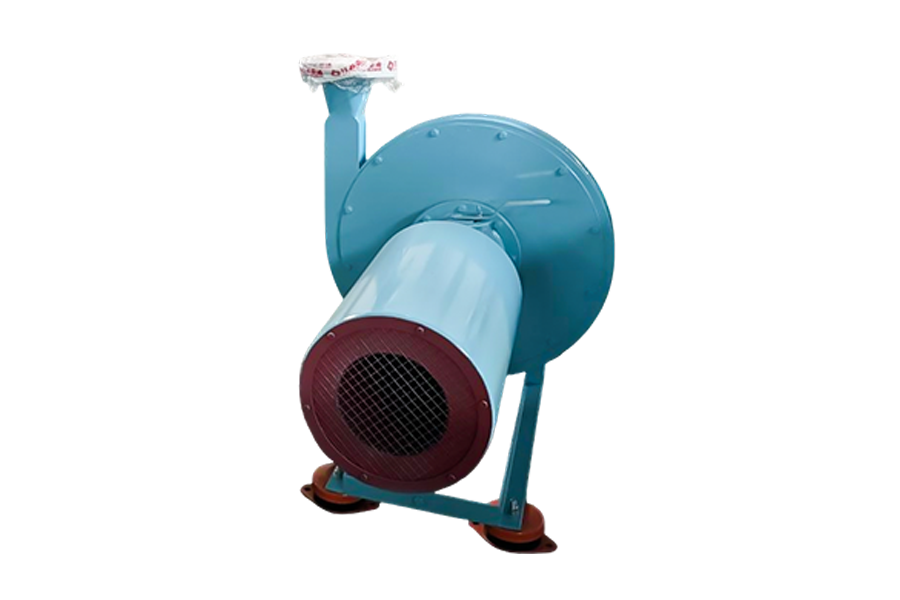
Sealed fan Product Name Air volume All-in Medium temperature Conveying medium Sealed fan 500-10...
See DetailsMobile: +86-188 6157 1101
No.58 Wendong Road, Xushe Town Industrial Zone, Yixing City, Jiangsu Province, China

Copyright © JIANGSU ZT FAN CO.,LTD. All Rights Reserved.
Stainless Steel Centrifugal Fan Manufacturers


+86-188 6157 1101
