
 Contact Us
 Language
 English
 русский
 Español
Main fan Product Name Air volume All-in Medium temperature Conveying medium Main fan 1000-30000...
See Details
Content
In the world of industrial air movement, few devices pack as much punch per square foot as the high pressure centrifugal fan. This robust machine is the engine behind everything from dust extraction systems to combustion air delivery in large-scale facilities. But what makes a centrifugal fan "high pressure," and how does it differ from standard fans? This guide explains the inner workings, key specifications, real-world applications, and common misconceptions surrounding these powerful machines.
A high pressure centrifugal fan is a mechanical device designed to move air or gas at significantly higher static pressures than standard fans. Unlike low-pressure fans that prioritize high airflow with minimal resistance, the high pressure variant is engineered to overcome substantial system resistance — think long ductwork, filters, cyclones, or dense material being conveyed.
The term "centrifugal" refers to the fan's core operating principle: it uses a rapidly rotating impeller to accelerate air outward from the center, converting rotational energy into kinetic energy and then into pressure. The "high pressure" designation typically applies to fans that generate static pressures above 1,000 Pascals (roughly 4 inches of water gauge), with many industrial models reaching 10,000 Pa or more high pressure centrifugal fan.
The working principle of a high pressure centrifugal fan can be broken down into three main stages:
The result is a steady stream of high-pressure air capable of overcoming substantial system resistance, making it ideal for demanding industrial applications high pressure centrifugal fan.
Understanding the anatomy of a high pressure centrifugal fan helps explain its performance:
| Component | Function in Plain Language |
|---|---|
| Impeller (Wheel) | The rotating part with blades that throws air outward. Backward-curved blades are common for high pressure, as they offer better efficiency and quieter operation. |
| Volute Casing | The spiral housing that collects air from the impeller and converts velocity into pressure. Its shape is crucial for performance. |
| Inlet (Inlet Cone) | Directs air smoothly into the eye of the impeller, reducing turbulence and improving efficiency. |
| Motor and Drive System | Provides the rotational power. High pressure fans often require larger motors due to the energy needed to generate high static pressure. |
| Bearing Assembly | Supports the shaft and impeller, ensuring stable rotation under high stress. |
| Discharge Outlet | Where the high-pressure air leaves the fan to enter ductwork or process equipment. |
When evaluating a high pressure centrifugal fan, these technical parameters matter:
| Specification | What It Means for You |
|---|---|
| Static Pressure (Pa or inWG) | The resistance the fan can overcome. Higher static pressure means the fan can push air through longer ducts, more filters, or heavier materials. |
| Airflow (CFM or m³/h) | The volume of air moved per minute. High pressure fans often have lower airflow than low-pressure fans of similar size, as they prioritize pressure. |
| Fan Curve (Pressure vs. Flow) | A chart showing how pressure drops as airflow increases. It helps engineers select the right fan for a specific system. |
| Efficiency (Percentage) | How effectively the fan converts electrical energy into air pressure. High efficiency means lower operating costs. |
| Fan Speed (RPM) | Rotational speed. Higher speeds generally generate more pressure but also more noise and wear. |
| Impeller Diameter and Width | Larger impellers can move more air or generate higher pressure, but they also require more space and power. |
Not all centrifugal fans are created equal. Here is how high pressure models differ from standard (medium or low pressure) ones:
| Feature | High Pressure Centrifugal Fan | Standard Centrifugal Fan |
|---|---|---|
| Pressure Range | Typically above 1,000 Pa, up to 15,000+ Pa | Usually below 1,000 Pa |
| Impeller Design | Deeper blades, often backward-curved or radial, with tighter clearances | Forward-curved or flat blades, more emphasis on airflow |
| Housing | More robust volute design to contain higher pressures | Lighter construction |
| Typical Applications | Pneumatic conveying, dust collection, combustion air, high-resistance duct systems | General ventilation, cooling, low-resistance ductwork |
| Energy Consumption | Generally higher due to increased work required | Lower |
| Noise Level | Often louder due to higher speeds and pressure | Quieter |
Axial fans are the other major category of industrial fans. Here is how they compare:
| Aspect | High Pressure Centrifugal Fan | Axial Fan |
|---|---|---|
| Airflow Direction | Air enters axially and exits radially | Air enters and exits axially (straight through) |
| Pressure Capability | High static pressure; can overcome significant resistance | Low to moderate static pressure; struggles with resistance |
| Efficiency at High Pressure | Remains efficient in high-resistance systems | Efficiency drops sharply with increased resistance |
| Typical Uses | Industrial processes with ductwork, filters, cyclones | Simple ventilation, cooling towers, exhaust without extensive ducting |
| Physical Footprint | Larger and heavier for equivalent airflow | More compact and lightweight |
High pressure centrifugal fans are the workhorses of many industrial sectors. Here are some common scenarios:
In woodworking, metalworking, and food processing plants, these fans draw dusty air through extensive ductwork and filtration systems. The high static pressure is needed to pull air through cyclones, baghouses, and cartridge filters while maintaining adequate airflow.
High pressure fans are used to transport lightweight bulk materials — such as plastic pellets, grains, or powders — through pipelines. The fan generates enough pressure to suspend the material in the airstream and move it from one point to another.
In industrial boilers, furnaces, and dryers, high pressure fans supply combustion air at a pressure sufficient to overcome burner pressure drops and ensure proper mixing with fuel for complete combustion.
High pressure centrifugal fans provide air to diffusers at the bottom of aeration tanks. The pressure must be high enough to overcome the hydrostatic pressure of the water column and the resistance of the diffusers.
In textile, paper, and printing industries, high pressure fans are used to dry materials by forcing air through dense, moisture-laden webs. The high pressure ensures uniform air distribution across the entire width of the material.
Misconception 1: High pressure equals high airflow.
Reality: At a given fan size and speed, pressure and airflow are trade-offs. A high pressure fan moves less air at maximum pressure than a low-pressure fan of similar size. The fan curve illustrates this inverse relationship.
Misconception 2: Any fan can be made high pressure just by increasing speed.
Reality: While increasing RPM does raise pressure, it also increases stress on the impeller, bearings, and motor. Beyond a certain point, the fan may fail catastrophically. High pressure fans are specifically designed with stronger materials and aerodynamic profiles to handle the load.
Interesting Fact: Blade shape matters enormously.
Backward-curved impeller blades are the most common in high pressure fans because they offer high efficiency and a non-overloading power characteristic — meaning the motor won't overload even if the system resistance drops suddenly.
Interesting Fact: The first centrifugal fans date back to the 19th century.
Early centrifugal fans were used in mine ventilation. The principle of using a rotating wheel to move air has remained essentially unchanged, though modern aerodynamic design and materials have vastly improved performance and durability.
These fans are not just about moving air; they enable critical industrial processes. They keep workplaces safe by removing harmful dust and fumes. They ensure product quality in manufacturing by enabling consistent drying, cooling, or heating. They support environmental compliance by powering emissions control systems. Without reliable high pressure fans, many modern industries would grind to a halt.
Moreover, their ability to overcome resistance makes them versatile. Whether it's a simple ventilation system with long ductwork or a complex pneumatic conveying line, the high pressure centrifugal fan provides the muscle to keep air and materials moving efficiently.
The high pressure centrifugal fan is an essential piece of industrial equipment. Its unique ability to generate substantial static pressure while maintaining reliable airflow makes it indispensable for dust collection, pneumatic conveying, combustion air delivery, and countless other applications. By understanding how it works — from the impeller's aerodynamic design to the volute's pressure conversion — anyone can appreciate the engineering that keeps our factories, treatment plants, and processing facilities running smoothly.
Whether you are an engineer, student, or simply curious about the machines that power modern industry, the high pressure centrifugal fan is a prime example of how mechanical ingenuity turns simple rotation into powerful, controlled air movement.
What is considered a high pressure centrifugal fan?
Generally, a centrifugal fan is considered "high pressure" when it can generate static pressures above 1,000 Pascals (roughly 4 inches of water gauge). Industrial high pressure fans can reach 10,000 Pa or more.
What is the difference between a high pressure centrifugal fan and a blower?
The terms are often used interchangeably, but in technical terms, a "blower" typically refers to a fan operating at higher pressures (above 10,000 Pa) and lower flow rates. Many high pressure centrifugal fans fall into the blower category.
How does static pressure affect fan selection?
Static pressure determines how much resistance the fan can overcome. When selecting a fan, you must calculate the total resistance of your system (ductwork, filters, cyclones, etc.) and choose a fan whose pressure curve meets that resistance at the desired airflow.
Are high pressure centrifugal fans noisy?
They can be, due to higher rotational speeds and the aerodynamic forces involved. However, careful design — such as using backward-curved blades and sound-attenuating housings — can reduce noise. Proper installation with vibration isolation also helps.
What are the maintenance requirements for a high pressure centrifugal fan?
Regular maintenance includes checking and lubricating bearings, inspecting the impeller for wear or imbalance, cleaning the fan housing, and verifying belt tension (if belt-driven). Periodic vibration analysis can help detect early signs of bearing or shaft issues.
Can a high pressure centrifugal fan be used for exhaust and supply?
Yes, they can be used for both exhaust (pulling air out of a space) and supply (pushing air into a space). The installation orientation and ductwork connection determine the application. Some systems use one fan for supply and another for exhaust.
What materials are high pressure centrifugal fans made of?
Common materials include carbon steel for general applications, stainless steel for corrosive or hygienic environments, and aluminum for lightweight or spark-resistant needs. Some specialty fans use coated or lined housings for chemical resistance.
Your email address will not be published. Required fields are marked*
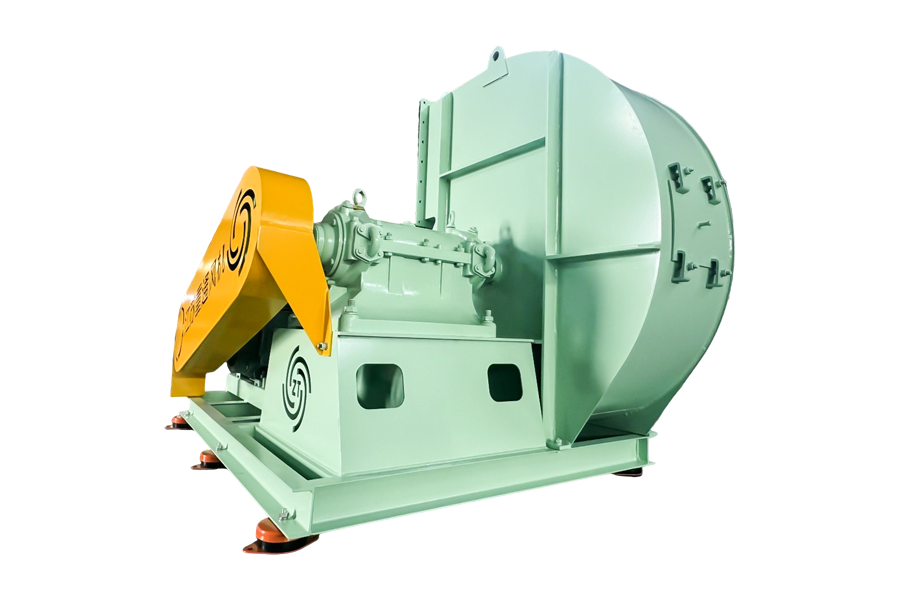
Main fan Product Name Air volume All-in Medium temperature Conveying medium Main fan 1000-30000...
See Details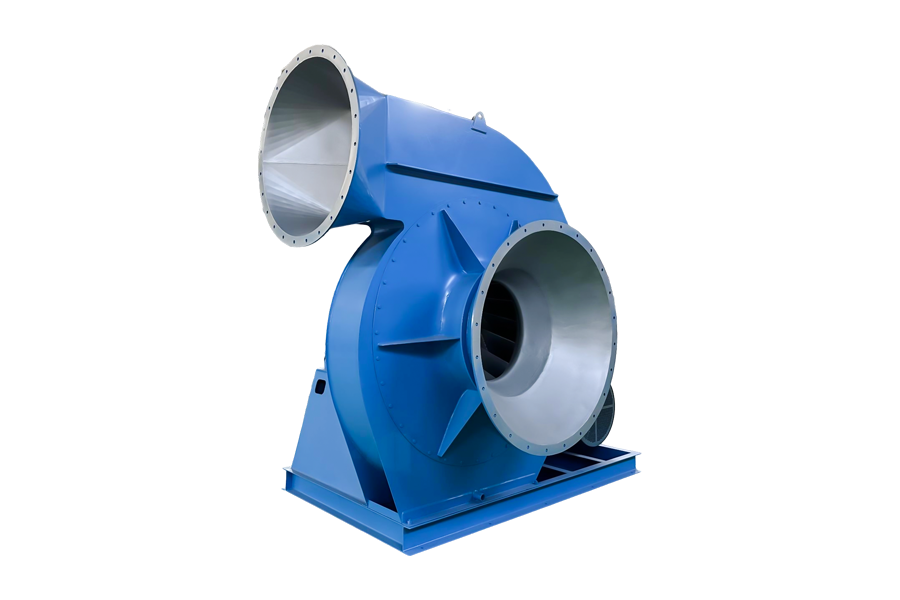
Induced draft fan Product Name Air volume All-in Medium temperature Conveying medium induced dr...
See Details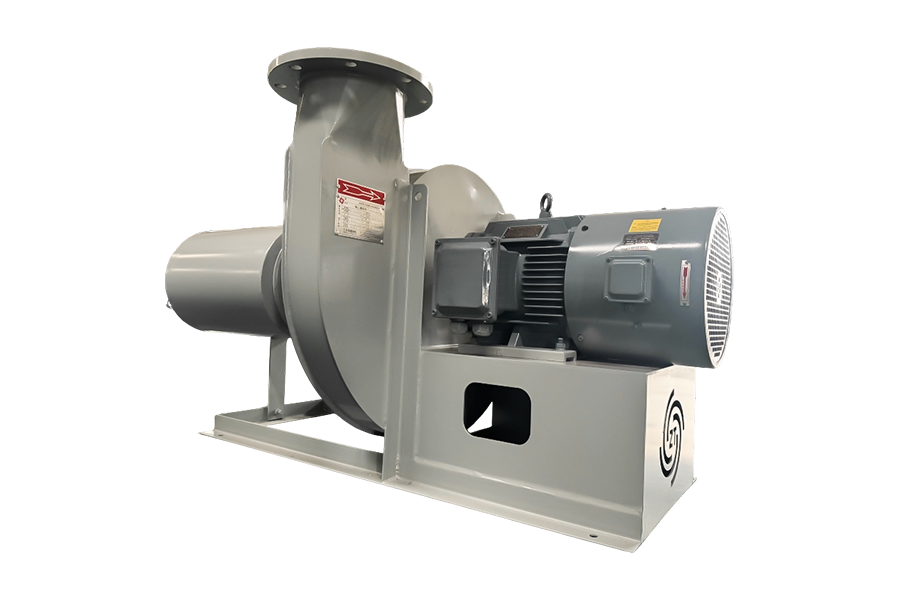
Combustion-supporting fan Product Name Air volume All-in Medium temperature Conveying medium Co...
See Details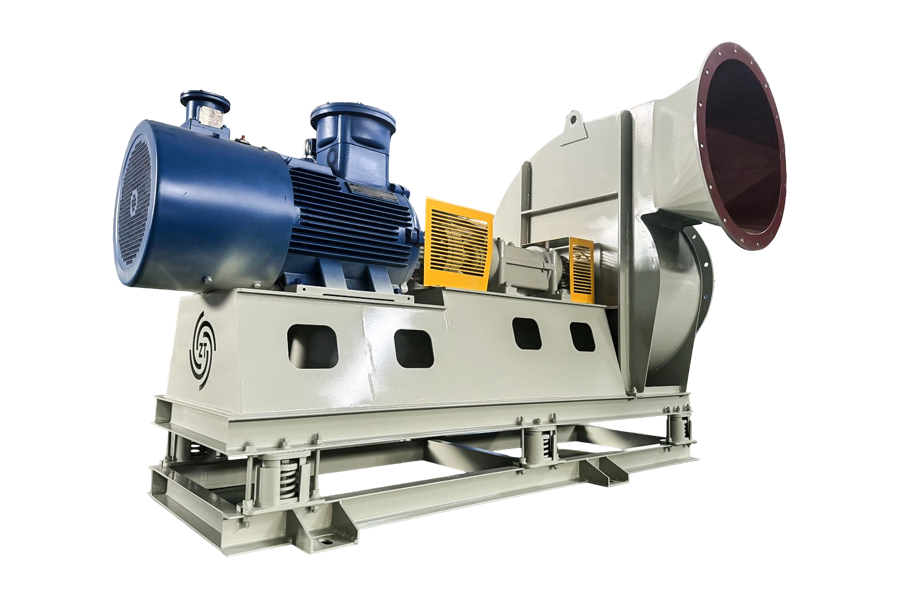
Oxygen supplement fan Product Name Air volume All-in Medium temperature Conveying medium Oxygen...
See Details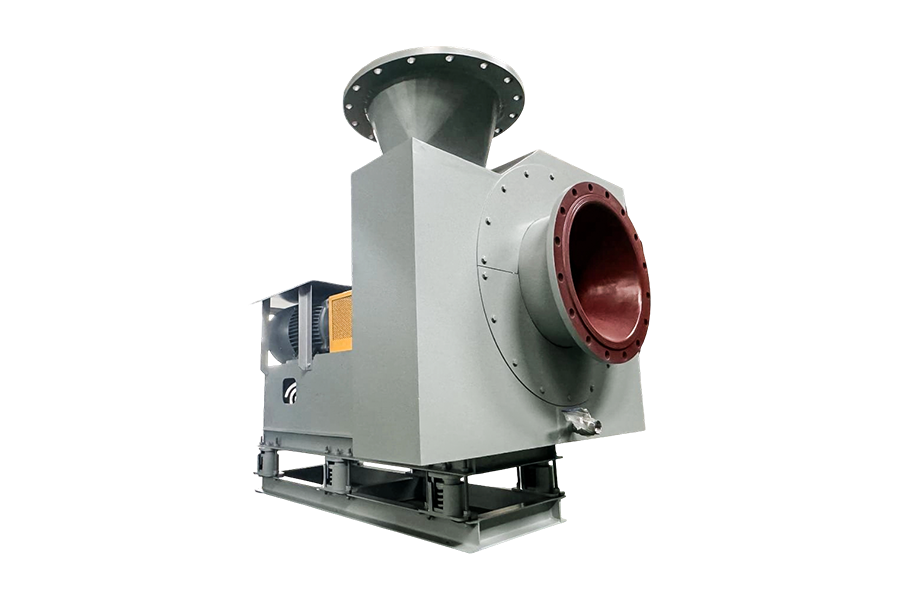
Purge fan Product Name Air volume All-in Medium temperature Conveying medium Purge fan 1000-500...
See Details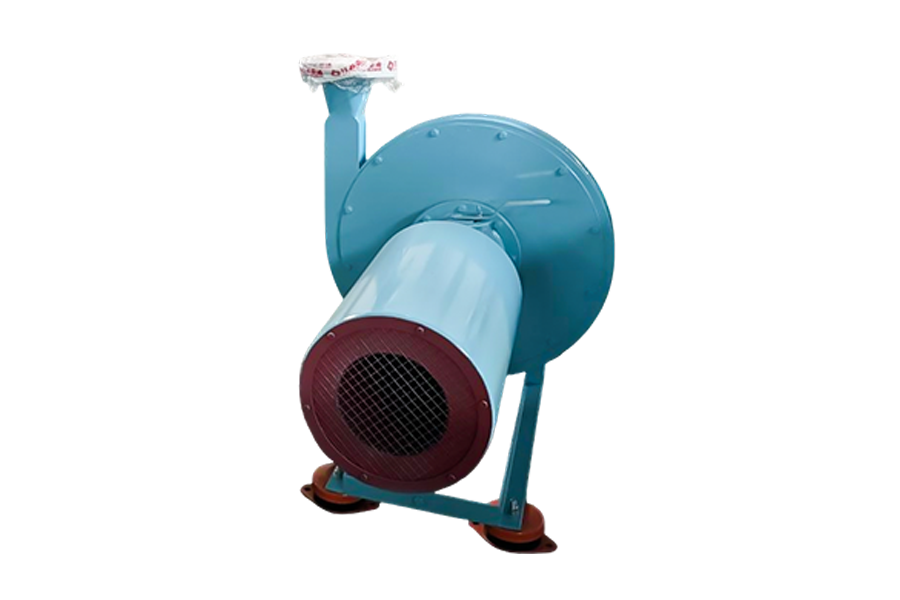
Sealed fan Product Name Air volume All-in Medium temperature Conveying medium Sealed fan 500-10...
See DetailsMobile: +86-188 6157 1101
No.58 Wendong Road, Xushe Town Industrial Zone, Yixing City, Jiangsu Province, China

Copyright © JIANGSU ZT FAN CO.,LTD. All Rights Reserved.
Stainless Steel Centrifugal Fan Manufacturers


+86-188 6157 1101
