
 Contact Us
 Language
 English
 русский
 Español
Main fan Product Name Air volume All-in Medium temperature Conveying medium Main fan 1000-30000...
See Details
Content
Choosing the right Centrifugal Fan comes down to matching three core values to your system: required airflow in cubic meters per hour, static pressure in pascals needed to overcome ductwork resistance, and a housing material grade suited to the operating environment. A fan rated for 10000 cubic meters per hour at 800 pascals will underperform in a system designed for 1200 pascals, even if the airflow number looks correct on paper, so static pressure and capacity must be selected together rather than separately.
Selection should follow a fixed sequence rather than starting from the fan model number. Working through these points in order avoids the most common sizing mistakes seen in industrial installations.
Capacity, measured in cubic meters per hour or cubic feet per minute, is calculated from the volume of the space and the number of air changes required per hour for the application.
| General workshop ventilation | 6 to 10 air changes per hour, a 1000 square meter workshop at 4 meter ceiling height needs roughly 24000 to 40000 cubic meters per hour |
| Kitchen and fume extraction | 15 to 30 air changes per hour due to heat and grease load, often requiring fans above 8000 cubic meters per hour even for small kitchens |
| Dust collection systems | Capacity sized to maintain 18 to 23 meters per second conveying velocity in ducts to prevent dust settling |
| Boiler and furnace draft | Capacity matched to fuel combustion rate, typically calculated from fuel input in kilowatts divided by combustion air ratio |
Oversizing capacity by more than 20 percent above the calculated requirement increases energy consumption without a proportional gain in ventilation effectiveness, while undersizing by even 10 percent can leave a system unable to meet air change targets during peak load periods.
Efficiency in a centrifugal fan is the ratio of useful air power output to electrical power input, and several design and installation factors determine how close a fan operates to its rated efficiency point.
Backward curved impellers typically reach 75 to 85 percent efficiency, while forward curved designs often fall between 60 and 70 percent but provide higher pressure in compact housings.
Sharp bends within 2 duct diameters of the fan inlet can reduce effective performance by 10 to 15 percent due to turbulent airflow entering the impeller.
Direct drive fans avoid belt slippage losses of around 3 to 5 percent that are common in belt driven configurations after extended use.
Running a fan near its best efficiency point, usually 80 to 110 percent of the design flow rate, keeps energy use within 5 percent of optimal, while running below 60 percent of design flow can drop efficiency by over 20 percent.
Static pressure requirements determine which fan class and impeller type can deliver stable performance under the actual resistance of the connected system, not just the open air rating shown on a basic spec sheet.
| Low pressure systems, under 500 pascals | Suitable for simple exhaust fans with forward curved or radial blade impellers, common in general room ventilation |
| Medium pressure systems, 500 to 1500 pascals | Backward curved or airfoil impellers needed, typical for HVAC systems with filters and moderate duct runs |
| High pressure systems, above 1500 pascals | Multi stage or high speed single inlet fans required, used in pneumatic conveying and long duct dust extraction systems |
A fan selected only on airflow rating without checking the static pressure curve at that flow point can deliver as little as 60 percent of the expected airflow once connected to a system with higher than anticipated resistance, which is why the operating point should always be read from the fan curve rather than from the maximum rated values alone.
The housing and impeller material must withstand the chemical and physical properties of the air or gas being moved, since the wrong material grade can lead to corrosion failure or impeller imbalance within months of operation.
Your email address will not be published. Required fields are marked*
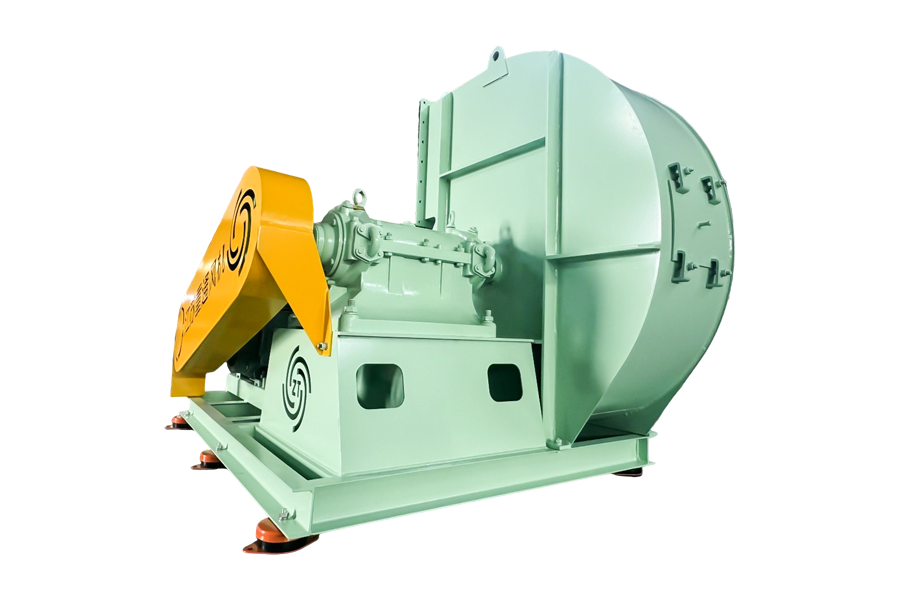
Main fan Product Name Air volume All-in Medium temperature Conveying medium Main fan 1000-30000...
See Details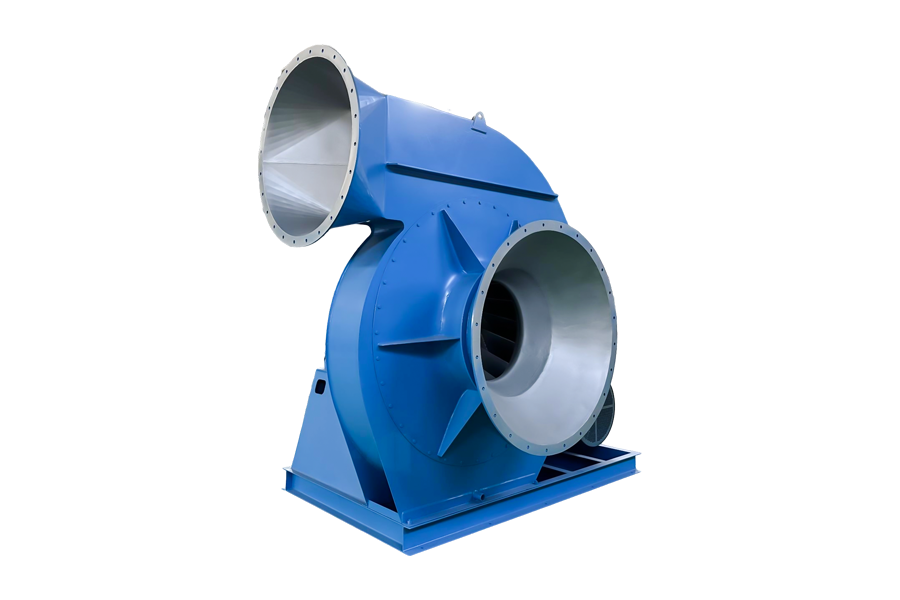
Induced draft fan Product Name Air volume All-in Medium temperature Conveying medium induced dr...
See Details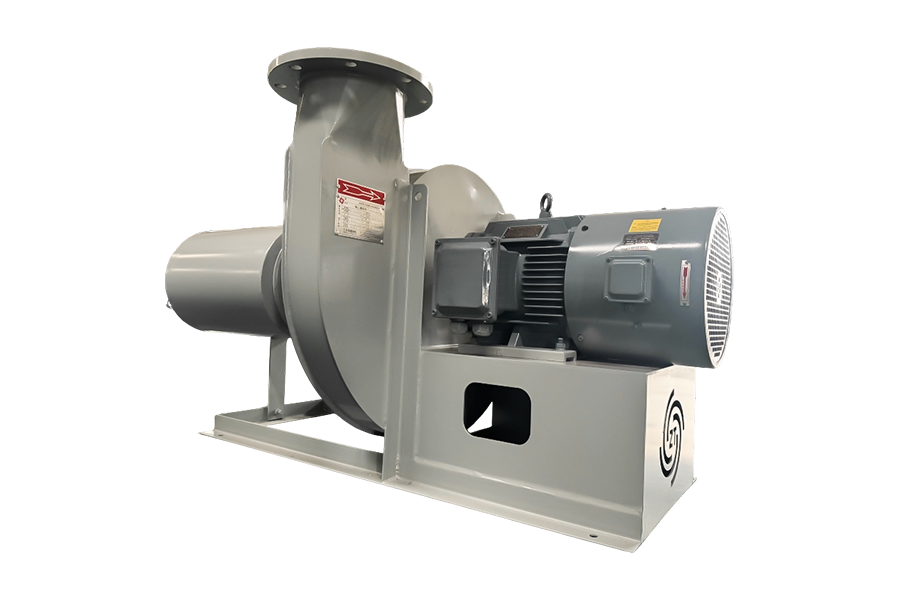
Combustion-supporting fan Product Name Air volume All-in Medium temperature Conveying medium Co...
See Details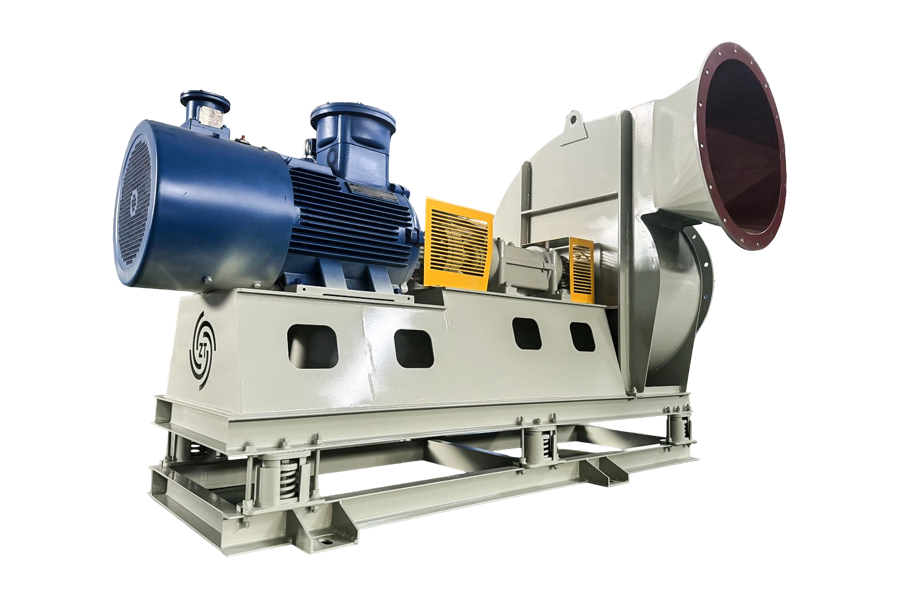
Oxygen supplement fan Product Name Air volume All-in Medium temperature Conveying medium Oxygen...
See Details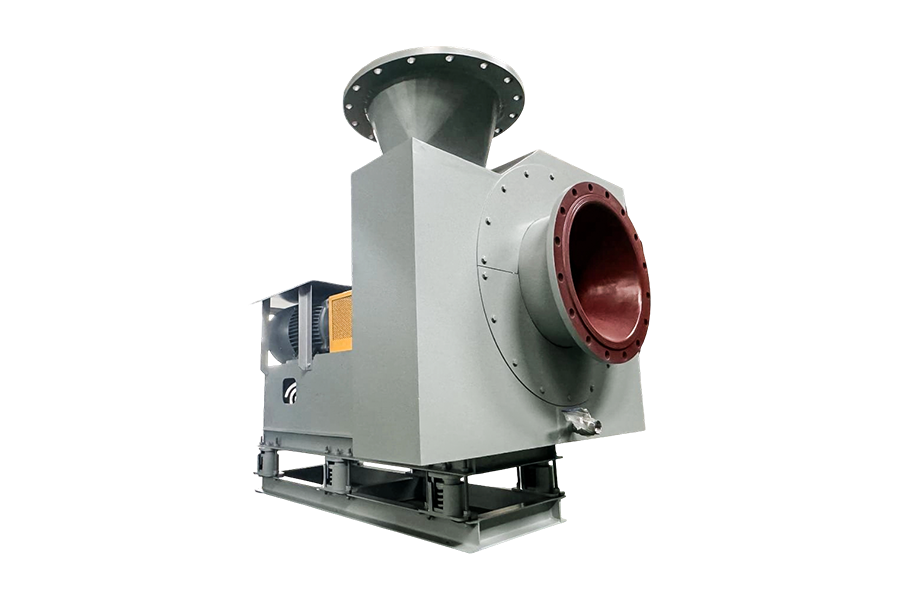
Purge fan Product Name Air volume All-in Medium temperature Conveying medium Purge fan 1000-500...
See Details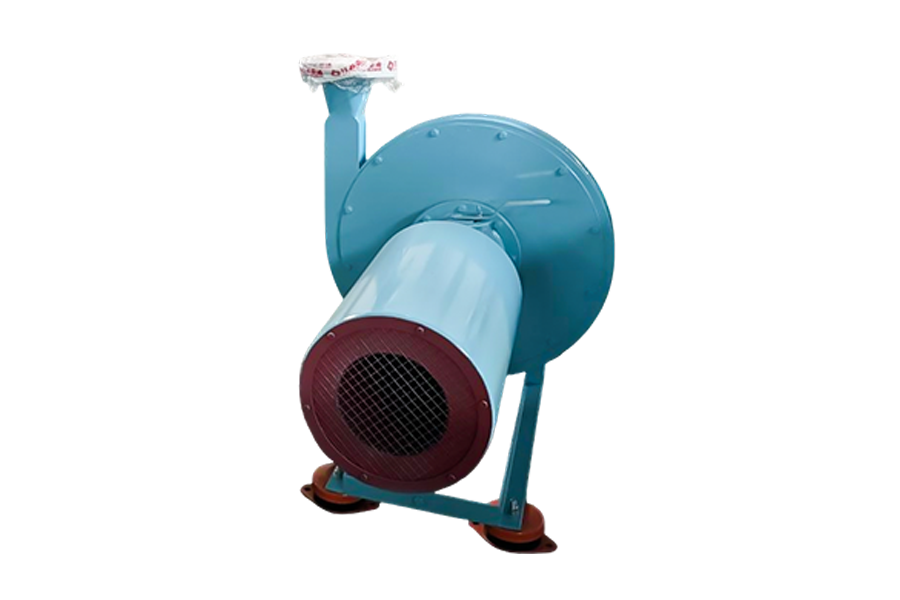
Sealed fan Product Name Air volume All-in Medium temperature Conveying medium Sealed fan 500-10...
See DetailsMobile: +86-188 6157 1101
No.58 Wendong Road, Xushe Town Industrial Zone, Yixing City, Jiangsu Province, China

Copyright © JIANGSU ZT FAN CO.,LTD. All Rights Reserved.
Stainless Steel Centrifugal Fan Manufacturers


+86-188 6157 1101
