How do centrifugal fans for food industry affect product cleanliness and cross-contamination risk?
Understanding cleanliness and contamination risks in modern food processing
Product cleanliness and cross-contamination control are central priorities in the food industry. From raw material intake to finished product packaging, every stage of food production involves airflow, temperature regulation, and environmental management. Improper air handling can introduce airborne contaminants, redistribute dust or moisture, and create conditions that support microbial growth. As food production facilities become more automated and production volumes increase, controlling these environmental variables becomes more complex and more critical.
In this context, centrifugal fans for food industry play a structural role in maintaining hygienic production environments. These systems are not simply ventilation devices. They are integral components of controlled processing ecosystems designed to regulate airflow, remove particulates, stabilize temperature and humidity, and limit human contact with ingredients. When correctly specified and integrated, they help reduce the probability of cross-contamination by managing how air and materials move through processing spaces.
Cross-contamination risk in food plants often arises from three main sources: airborne particles, contact between different product streams, and environmental conditions that favor microbial growth. Air handling systems that are poorly designed or inadequately maintained can unintentionally spread contaminants from one processing zone to another. For example, airborne flour dust can migrate from mixing areas into packaging zones, or moisture-laden air can promote condensation and bacterial growth on surfaces.
By contrast, properly engineered air movement using centrifugal air handling systems for food processing enables zoning, pressure control, and directional airflow. These features help isolate clean areas from raw processing areas and reduce the movement of contaminants across functional boundaries. This makes fan system design and integration a foundational element of any contamination control strategy.
Role of airflow control in maintaining hygienic processing environments
Airflow management is one of the most direct ways in which centrifugal fans for food industry influence product cleanliness. Controlled airflow establishes predictable movement patterns for airborne particles, moisture, and heat. In hygienic facility design, airflow is intentionally directed from cleaner zones toward less clean zones, preventing backflow that could carry contaminants into sensitive processing or packaging areas.
In food production workshops and cold storage areas, fans are used to maintain stable temperature and humidity conditions. Consistent airflow reduces the formation of localized hot spots and moisture accumulation. These conditions are important because uneven temperature or excessive humidity can support microbial growth and biofilm formation on equipment and structural surfaces. By maintaining steady air exchange, centrifugal fan systems help reduce these environmental risks.
In baking and thermal processing equipment, circulating hot air improves heating uniformity. Uniform heat distribution not only supports product quality but also contributes to hygienic operation. Areas with insufficient airflow may not reach target temperatures, creating potential zones where microorganisms can survive. Effective airflow circulation supports both food safety objectives and process consistency.
Directional airflow also supports hygiene zoning strategies. Facilities often separate raw material handling areas from post-processing or packaging areas. By using differential air pressure supported by fan systems, air is encouraged to flow from clean areas to less clean areas, rather than the reverse. This reduces the likelihood that airborne contaminants from raw zones enter finished product environments.
From a systems perspective, this means that fan selection, duct design, and airflow balancing are not isolated engineering tasks. They are part of a coordinated hygiene control strategy. Food-grade centrifugal ventilation systems that support stable, predictable airflow contribute directly to reduced cross-contamination risk.
Material handling and its influence on cross-contamination control
Material handling represents another critical interface between centrifugal fan systems and food hygiene. In many food processing environments, powdered or granular ingredients such as flour, sugar, milk powder, or seasoning blends are transported pneumatically. This method reduces direct human contact and limits manual handling, which is a common source of contamination.
Using centrifugal fans for food industry in pneumatic conveying systems allows ingredients to be transferred in enclosed pipelines rather than open containers. This minimizes exposure to ambient air and reduces the risk of foreign matter entering the product stream. Enclosed transport also helps maintain consistent flow rates and prevents spillage, which can otherwise accumulate on floors and equipment, creating secondary contamination risks.
However, pneumatic handling systems must be carefully designed. Poorly sealed joints, inadequate filtration, or unstable airflow can result in dust leakage. Airborne dust not only represents product loss but also creates cross-contamination pathways between different product lines. For facilities that process multiple product types, this can be a significant concern, especially when allergen control is required.
When paired with drying equipment, centrifugal fan systems accelerate dehydration processes for fruits, vegetables, and other products. Controlled airflow removes moisture efficiently, reducing water activity on product surfaces. Lower moisture levels inhibit microbial growth and extend shelf life. At the same time, consistent drying airflow prevents uneven dehydration, which could leave pockets of higher moisture where microorganisms may persist.
From a hygiene management perspective, these functions demonstrate that industrial centrifugal fans for food applications are not passive components. They actively shape how materials and airborne particles move, directly influencing contamination pathways. Proper design, sealing, and airflow control are essential to ensure that these systems reduce, rather than introduce, hygiene risks.
Exhaust gas and dust treatment as contamination control mechanisms
Exhaust gas and dust treatment is another area where centrifugal fan systems influence product cleanliness. Food processing operations such as frying, roasting, and fermentation generate fumes, vapors, and odors. If not effectively removed, these byproducts can settle on surfaces or migrate into adjacent processing zones, increasing the risk of contamination and affecting product quality.
Centrifugal fans for food industry are commonly used to extract these airborne byproducts and route them to appropriate treatment systems. By maintaining negative pressure in specific processing zones, fan systems help contain fumes and prevent their spread. This containment supports both hygiene objectives and regulatory compliance related to workplace air quality.
Dust collection is particularly important in seasoning processing, milling, and mixing operations. Fine particles can easily become airborne and settle on equipment, packaging materials, or finished products. Dust accumulation is not only a hygiene issue but also a potential safety hazard. Properly designed dust collection systems, driven by centrifugal fans, capture these particles at the source and transport them to collection units.
Effective dust extraction reduces raw material waste and helps maintain cleaner production environments. More importantly, it limits the opportunity for cross-contamination between different ingredient streams. In multi-product facilities, this is critical for preventing unintended mixing of flavors, allergens, or functional additives.
From a systems engineering viewpoint, exhaust and dust handling functions show how food industry centrifugal fan solutions contribute to both cleanliness and operational efficiency. They are part of an integrated contamination control framework that includes source capture, controlled airflow, and appropriate treatment or filtration.
Equipment design and material selection for hygienic performance
The hygienic performance of fan systems is strongly influenced by their construction materials and surface finishes. In food environments, stainless steel is commonly used due to its corrosion resistance, cleanability, and compatibility with sanitation procedures. Smooth surfaces reduce the likelihood of product buildup and make it easier to remove residues during cleaning.
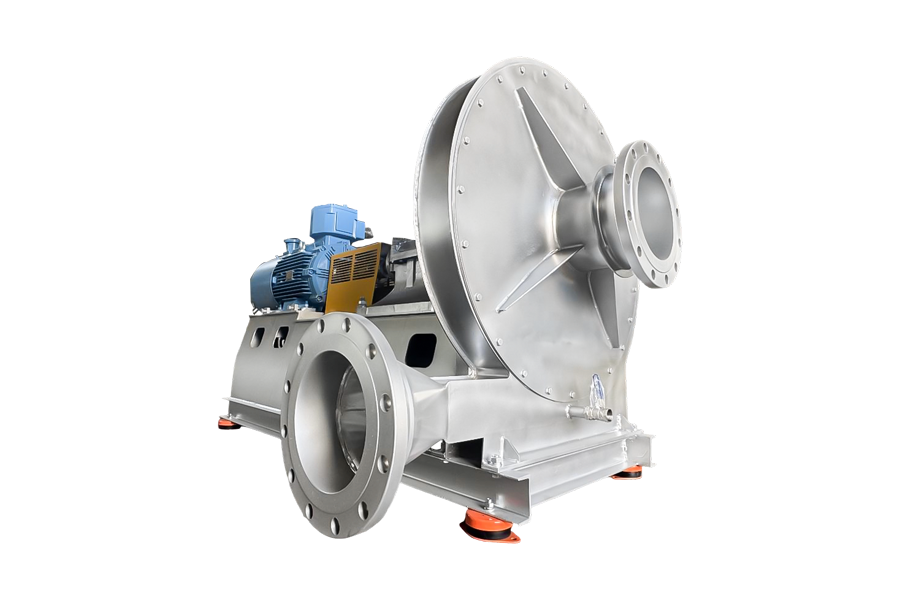
Centrifugal fans for food industry are often specified with stainless steel housings, impellers, and fasteners to meet hygiene and safety requirements. These materials withstand frequent washdown procedures and exposure to moisture, fats, and cleaning chemicals. Poor material selection can lead to corrosion, surface pitting, and residue accumulation, all of which increase contamination risk.
Design features also matter. Crevices, sharp corners, and inaccessible internal areas can trap food particles and moisture. Over time, these areas can become reservoirs for microbial growth. Hygienic fan design emphasizes smooth internal contours, accessible inspection ports, and drainage features that allow moisture to escape.
In addition, shaft sealing and bearing arrangements must be designed to prevent lubricant leakage into the airstream. Even small amounts of lubricant mist can contaminate products or processing surfaces. High-quality sealing systems reduce this risk and support long-term hygienic operation.
These design considerations illustrate that sanitary centrifugal fan systems for food production must be evaluated not only for airflow and pressure performance but also for their cleanability and resistance to contamination. Equipment design is therefore a key link between mechanical performance and food safety outcomes.
Integration with sanitation and cleaning protocols
Sanitation is a routine and regulated activity in food processing plants. Equipment must be compatible with cleaning procedures, including wet washdown, chemical sanitation, and in some cases high-temperature cleaning. Fan systems that are not designed with sanitation in mind can become weak points in hygiene programs.
Centrifugal fans for food industry are often exposed to humid environments and periodic cleaning. If water ingress occurs in motors, bearings, or electrical components, it can lead to corrosion and failure. From a hygiene perspective, equipment failure is more than a maintenance issue. Downtime can disrupt cleaning schedules, create standing water, and increase the risk of contamination.
Well-integrated fan systems are designed to withstand routine sanitation without compromising performance. Drainage features prevent water accumulation. Enclosures protect sensitive components. Surface finishes resist chemical attack. These features support consistent sanitation outcomes and reduce the likelihood that fan systems become contamination sources.
In addition, ease of inspection is important. Sanitation teams must be able to visually inspect and, when necessary, clean internal surfaces. Designs that allow for access without full disassembly improve sanitation effectiveness and reduce labor time. This contributes to more reliable hygiene control and lower operational risk.
From a facility management perspective, the interaction between sanitation protocols and fan system design reinforces the idea that centrifugal ventilation equipment for food plants must be evaluated as part of the overall hygiene system, not as isolated mechanical assets.
System design, zoning, and pressure control strategies
Facility zoning and pressure control are fundamental to minimizing cross-contamination. Food plants are typically divided into raw zones, intermediate processing zones, and high-care or high-hygiene zones. Each zone has different cleanliness requirements and contamination risks.
Centrifugal fans for food industry support these zoning strategies by enabling precise control of airflow direction and pressure differentials. By maintaining higher air pressure in clean zones and lower pressure in raw zones, air naturally flows outward from clean areas. This reduces the chance that airborne contaminants from raw material handling areas enter packaging or finished product zones.
Pressure control also supports allergen management. In facilities that handle multiple allergen-containing ingredients, airflow zoning can help prevent allergen particles from migrating into allergen-free areas. This is an important consideration for both regulatory compliance and consumer safety.
Designing these systems requires coordination between mechanical engineers, process engineers, and food safety teams. Fan capacity, duct routing, and control strategies must align with production layouts and hygiene zoning plans. Changes in production volume or product mix may require adjustments to airflow strategies.
This systems-level approach highlights that centrifugal fans for food industry are part of a broader environmental control architecture. Their impact on cleanliness and cross-contamination risk depends on how well they are integrated into facility design and operational practices.
Contribution of experienced manufacturers to hygienic system performance
The effectiveness of fan systems in supporting food hygiene is influenced not only by design specifications but also by manufacturing quality, component selection, and customization capability. Reliable construction and consistent performance reduce the likelihood of unexpected failures that could compromise sanitation and airflow control.
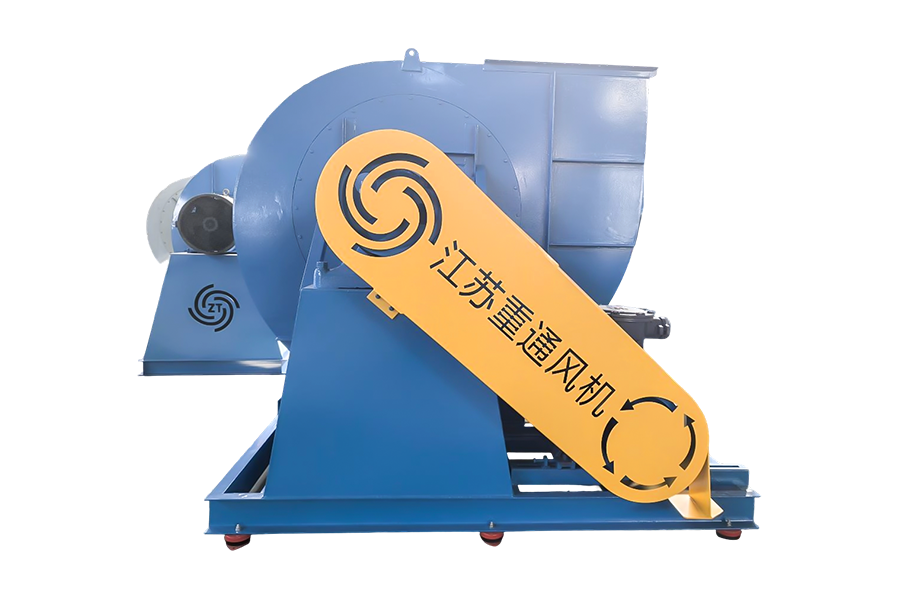
JIANGSU ZT FAN CO.,LTD. is a professional centrifugal fan manufacturing company that integrates research and development, design, production, sales, and after-sales service. Its experience in industrial fan systems supports the development of equipment that can be adapted to the specific environmental and operational requirements of food processing facilities. Although its solutions are widely applied across multiple industries, its emphasis on stable operation and durable construction is directly relevant to hygienic environments where reliability supports consistent sanitation and airflow control.
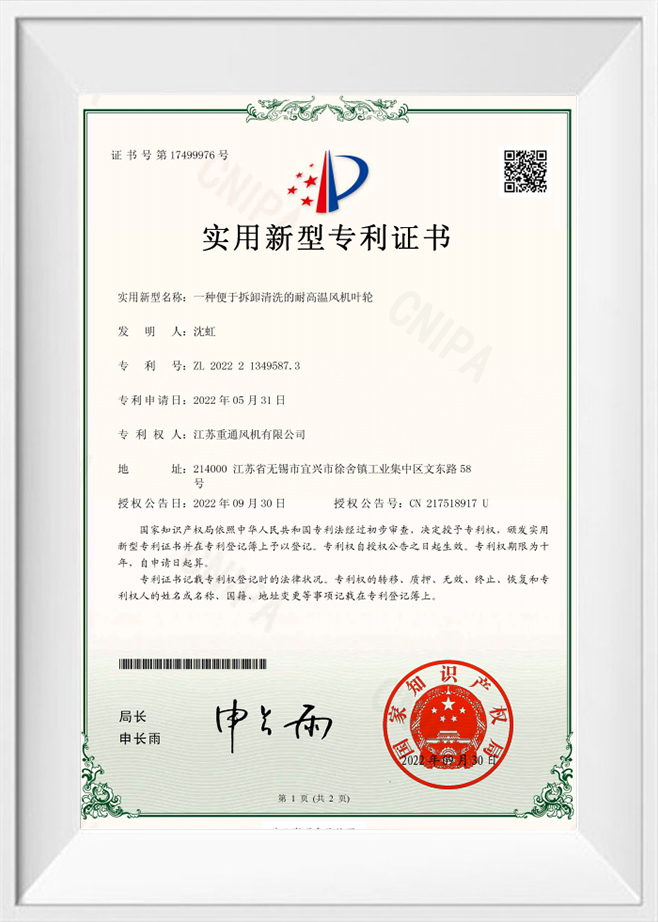
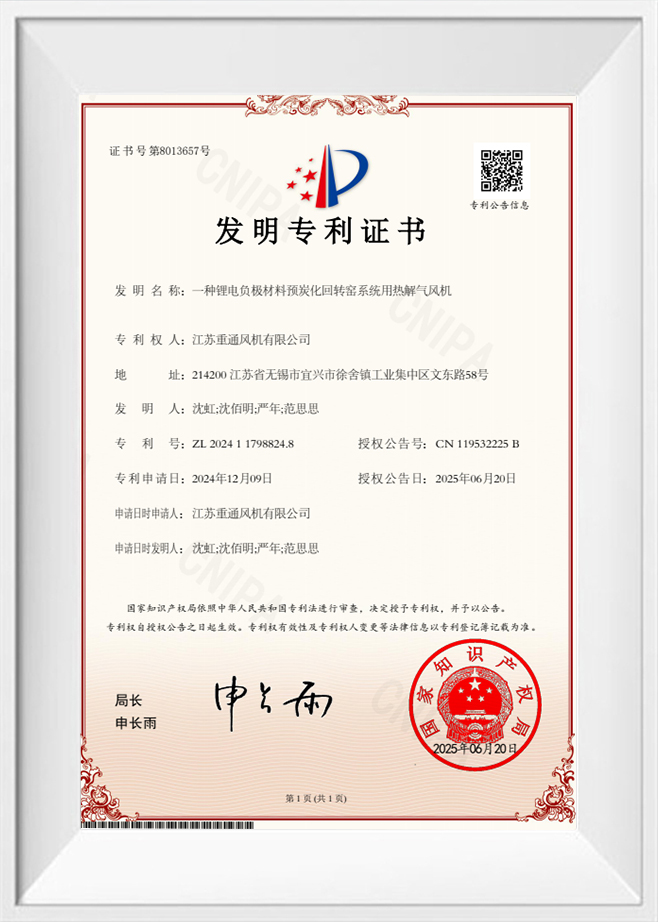
With over three decades of industry expertise, JIANGSU ZT FAN CO.,LTD. has established manufacturing practices that emphasize robust design, careful component selection, and comprehensive inspection standards. In food industry contexts, these practices contribute to reduced failure rates and more predictable system behavior. Predictable airflow and stable operation are important for maintaining controlled environmental conditions that support cleanliness objectives.
Customization capability is also significant. Food processing lines vary widely in layout, product type, and hygiene zoning. Tailored fan solutions allow equipment to be matched to specific process requirements, supporting optimal airflow patterns and pressure control. This customization helps ensure that fan systems align with facility hygiene strategies rather than forcing facilities to adapt to generic equipment.
By integrating research, manufacturing, and service functions, JIANGSU ZT FAN CO.,LTD. supports long-term system performance. Consistent performance over time is a key factor in maintaining hygiene control, as it reduces the likelihood of gradual airflow degradation that could increase contamination risk.
Linking environmental control to regulatory compliance and audit readiness
Food safety regulations require documented control of environmental conditions, including ventilation, dust control, and temperature management. Auditors often review airflow strategies, sanitation records, and equipment condition as part of compliance assessments. Fan systems that are poorly maintained or inadequately designed can become points of non-compliance.
Centrifugal fans for food industry contribute to regulatory compliance by supporting stable, documented environmental control. Properly functioning systems help maintain required temperature and humidity ranges, support dust collection programs, and enable effective fume extraction. These functions are often linked to regulatory requirements and internal quality management systems.
During audits, evidence of regular inspection, maintenance, and sanitation of ventilation equipment is typically required. Fan systems designed for easy access and inspection simplify documentation and reduce audit preparation burden. Conversely, equipment that is difficult to inspect or clean can increase compliance risk.
In this context, working with experienced manufacturers such as JIANGSU ZT FAN CO.,LTD. can support audit readiness by providing equipment designed for durability, inspection, and long-term reliability. Their emphasis on comprehensive inspection standards during manufacturing aligns with the food industry's need for traceability and documented quality control.
Regulatory compliance is therefore not separate from fan system design and performance. Environmental control equipment is part of the evidence base that demonstrates a facility's commitment to food safety and contamination control.
Practical selection considerations for hygiene-focused fan systems
Selecting fan systems for food applications requires balancing airflow performance with hygienic design principles. Buyers must evaluate more than airflow capacity and energy efficiency. They must also consider cleanability, material compatibility, sealing integrity, and integration with sanitation programs.
The following table summarizes key selection factors and their relevance to cleanliness and cross-contamination risk:
| Selection factor |
Relevance to cleanliness and contamination control |
| Construction material |
Supports corrosion resistance and effective sanitation |
| Surface finish |
Reduces residue buildup and improves cleanability |
| Sealing and bearings |
Prevents lubricant or contaminant ingress into airflow |
| Access for inspection |
Supports regular hygiene verification and cleaning |
| Customization capability |
Align airflow with zoning and process requirements |
These factors illustrate that centrifugal fans for food industry should be evaluated within a hygiene risk management framework. The goal is not only to move air but to do so in a way that supports consistent, auditable cleanliness outcomes.
Summary of cleanliness and cross-contamination impacts
The influence of centrifugal fan systems on food hygiene is multifaceted. They shape airflow, control environmental conditions, support enclosed material handling, and enable effective exhaust and dust collection. Each of these functions directly affects how contaminants move within a facility and how easily microorganisms can establish themselves.
When properly designed and integrated, centrifugal fans for food industry reduce cross-contamination risk by supporting directional airflow, stabilizing temperature and humidity, and minimizing open handling of ingredients. They also support sanitation programs by using materials and designs that withstand cleaning and reduce residue accumulation.
Manufacturing quality and system customization further influence hygienic performance. Companies such as JIANGSU ZT FAN CO.,LTD. contribute to this by providing robust, reliable fan systems that can be tailored to specific process and facility requirements. Their long-term focus on durability and inspection supports consistent environmental control, which is essential for maintaining food safety standards.
Ultimately, fan systems are not peripheral utilities. They are integral components of food safety infrastructure. Their design, selection, and maintenance have a measurable impact on product cleanliness and cross-contamination risk.
Frequently asked questions
How do centrifugal fans for food industry help reduce airborne contamination
They establish controlled airflow patterns that direct airborne particles away from clean zones and toward extraction or treatment systems.
Why is stainless steel important in centrifugal fans for food industry
Stainless steel supports corrosion resistance, cleanability, and compatibility with sanitation chemicals, reducing residue buildup and contamination risk.
Can centrifugal fans for food industry support allergen control programs
Yes, by enabling zoning and pressure differentials, they help prevent allergen particles from migrating into allergen-free areas.
How do centrifugal fans for food industry affect sanitation efficiency
Designs that allow easy access and drainage improve cleaning effectiveness and reduce the likelihood of moisture or residue accumulation.
What role does customization play in centrifugal fans for food industry
Customized airflow and system layouts help align fan performance with specific hygiene zoning and process requirements.
How does manufacturer experience impact centrifugal fans for food industry performance
Experienced manufacturers such as JIANGSU ZT FAN CO.,LTD. provide robust design, stable operation, and inspection standards that support long-term hygienic operation and reduced contamination risk.

 Contact Us
 Language
 English
 русский
 Español