Industry Knowledge: Boiler Centrifugal Fan and Boiler Blower
1. Working Principles and Functional Classification of Boiler Centrifugal Fan and Boiler Blower
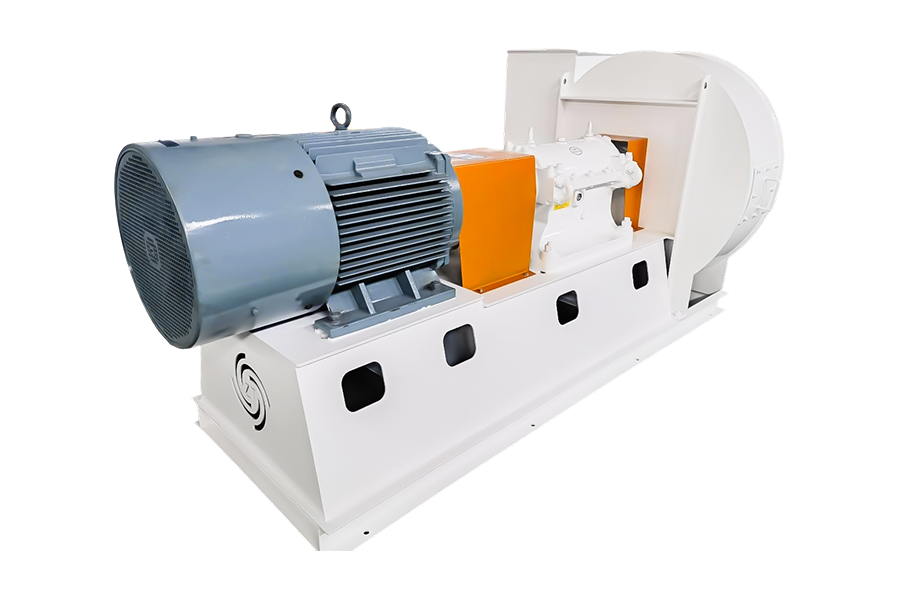
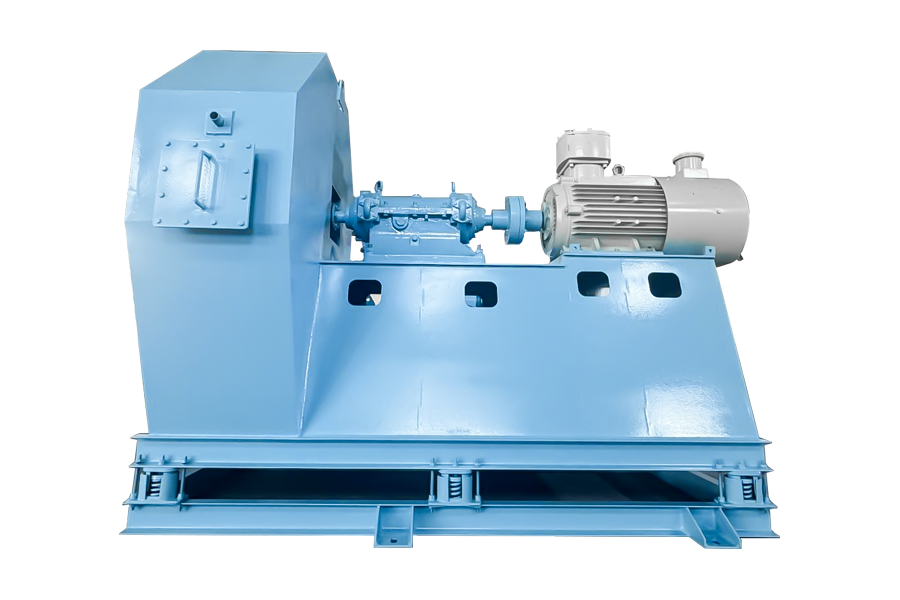
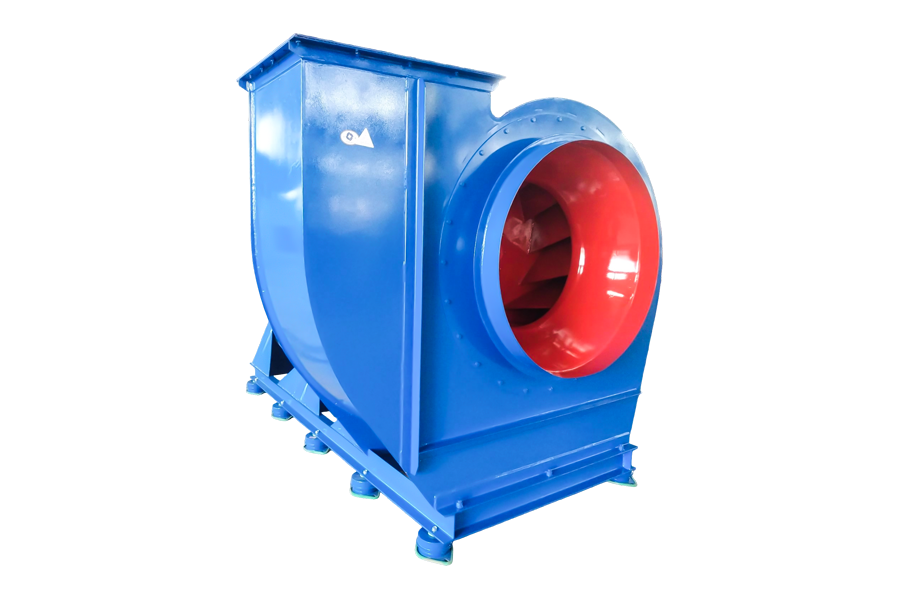
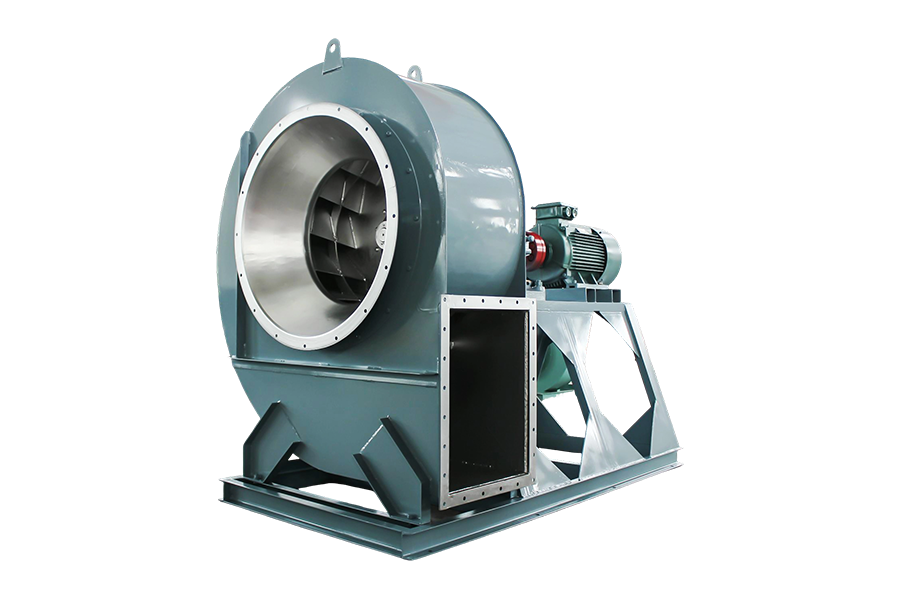
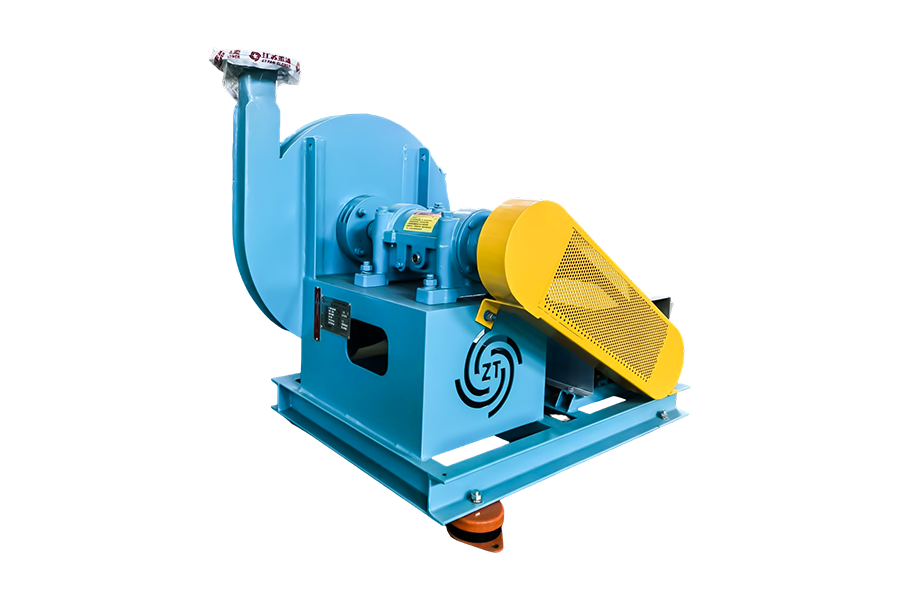
The stable operation of a boiler system relies heavily on the precise coordination of fans. Understanding their working principles is the foundation for proper selection. A Boiler Centrifugal Fan primarily utilizes centrifugal force to transport gas. Based on their specific location and function within the system, they are generally classified into Boiler Blowers (Forced Draft Fans) and Induced Draft Fans.
Key Parameters
- Air Volume: The volume of air or flue gas transported per unit of time, which must match the boiler's evaporation capacity.
- Total Pressure: Comprising both static pressure and dynamic pressure; the blower is mainly used to overcome resistance to provide pressure, while the induced draft fan must overcome flue duct resistance.
- Power: The shaft power required by the drive motor, which directly impacts energy consumption.
- Gas Temperature: Blowers typically transport ambient air, whereas induced draft fans must handle high-temperature flue gas (usually above 400 degrees C).
As a professional manufacturer established in 1990, Jiangsu ZT Fan Co., Ltd. possesses deep understanding of the fluid dynamics requirements of different boiler systems. Whether it is a Boiler Blower for forced ventilation or an induced draft fan for high-temperature exhaust, we utilize top-tier design and sheet metal craftsmanship to ensure the fans operate stably with extremely low failure rates, providing a solid guarantee for the safe operation of boilers.
2. High-Temperature Resistance Design for Boiler Centrifugal Fans in Industrial Boiler Systems
In industrial boiler systems, especially in power plants and steel mills, the Boiler Centrifugal Fan (particularly the induced draft fan) is exposed to high-temperature environments for long periods. This poses severe challenges for material and structural design. High temperatures can lead to a decrease in metal strength and thermal expansion deformation; therefore, specialized design is essential.
Technical Parameters and Requirements
- Temperature Range: The maximum medium temperature must be clearly defined (e.g., 400 degrees C - 800 degrees C).
- Material Grade: Impellers and main shafts typically require heat-resistant stainless steel (such as 304/316) or high-strength alloy steel.
- Thermal Expansion Compensation: Consideration of thermal expansion differences between the casing and bearing pedestal, designing suitable sliding bearing supports.
- Cooling System: Bearing boxes usually need to be equipped with cooling water or forced air cooling systems.
Jiangsu ZT Fan Co., Ltd. products are widely used in high-temperature environments such as power plants and steel mills. Our Boiler Centrifugal Fan employs original components from well-known domestic and international brands to ensure materials can withstand extreme heat. We strictly adhere to the philosophy of "Quality First," conducting comprehensive inspection standards on high-temperature components to ensure the fan structure remains sturdy, durable, and safe during high-temperature flue gas transport.
3. Energy Efficiency Optimization: The Role of Boiler Blower in Combustion Systems
The Boiler Blower acts as the "lungs" of a boiler combustion system. Its efficiency directly affects fuel combustion efficiency and energy costs. An efficient blower provides an adequate amount of oxygen to ensure complete fuel combustion, reducing unburned losses and pollutant emissions.
Performance Parameters
- Static Efficiency: A key metric measuring the effective work done by the fan.
- Impeller Design: Optimizing blade angles (e.g., backward-curved blades) to improve efficiency and reduce noise.
- Variable Frequency Drive (VFD) Compatibility: The ability to support variable frequency adjustment to adapt to air volume requirements under different loads.
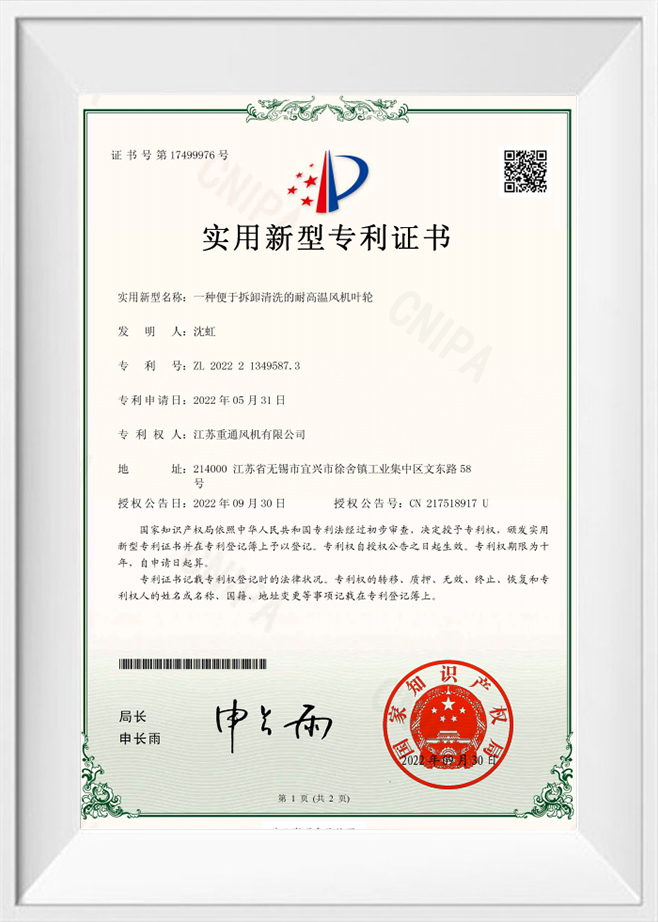
Jiangsu ZT Fan Co., Ltd. always prioritizes technological innovation and is dedicated to providing professional, high-efficiency solutions. Our Boiler Blower significantly improves operational efficiency through optimized aerodynamic design. We provide customized services to match the optimal fan parameters according to the user's specific combustion system characteristics, helping customers reduce energy consumption and achieve green production.
4. Customized Solutions for Boiler Centrifugal Fans in Waste Incineration Systems
Boiler systems supporting waste incineration systems (such as waste liquid incineration and solid waste incineration) impose special requirements on fans because the flue gas generated by incineration is often corrosive, abrasive, and unstable.
System Parameters
- Corrosion Resistance: Special anti-corrosion coatings or materials must be selected based on acidic gas components.
- Wear Resistance: Preventing wear on the impeller by dust particles in the flue gas.
- System Integration: Must perfectly match with complex exhaust treatment systems (e.g., acid washing towers, dust collectors).
As a custom large centrifugal fan factory, Jiangsu ZT Fan Co., Ltd. excels in handling complex operating conditions. Our Boiler Centrifugal Fan is widely used in waste liquid incineration systems and solid waste incineration systems. We can customize fans with high wear and corrosion resistance based on the specific waste composition and treatment processes of our customers, ensuring they match perfectly with user equipment and guaranteeing the stable operation of environmental treatment systems.
5. Structural Strength and Durability of Boiler Centrifugal Fans for Heavy Industry
In captive power plants for steel, metal smelting, and chemical enterprises, the Boiler Centrifugal Fan needs to withstand huge mechanical loads and continuous operating pressure. Therefore, the structural strength of the casing and the dynamic balance accuracy are critical.
Structural Parameters
- Casing Thickness: Must be sufficient to withstand internal pressure and vacuum, preventing deformation.
- Vibration Limits: Strictly controlling vibration velocity to ensure safety during long-term operation.
- Shaft Power Strength: The main shaft must have sufficient rigidity to transmit high torque.
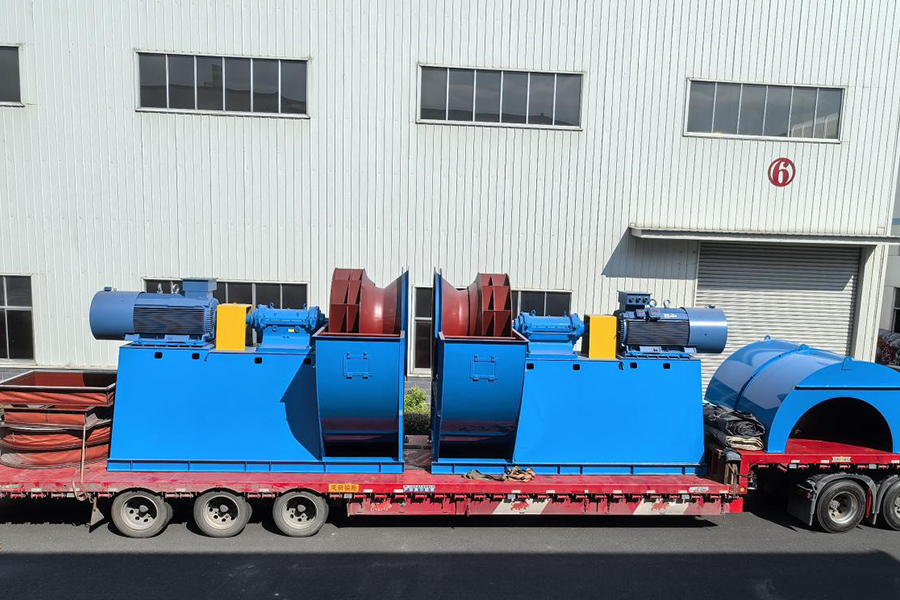
With over thirty years of manufacturing experience, Jiangsu ZT Fan Co., Ltd. provides sturdy and durable Boiler Centrifugal Fans for global users. Our products are known for their aesthetic appearance and robust structure. Every fan undergoes comprehensive testing before leaving the factory, including dynamic balance tests and operation tests. This strict quality control ensures the superior performance of our products in heavy industrial environments such as steel mills and chemical enterprises.
| Industry Application |
Key Requirement |
ZT Fan Advantage |
| Power Plants |
High Temperature Resistance |
Branded components, comprehensive inspection for safety |
| Steel Mills |
Structural Strength |
Robust casing design, low vibration, durable operation |
| Waste Incineration |
Corrosion & Wear Resistance |
Custom materials, perfect matching with user equipment |
| Chemical Industry |
System Integration |
Technological innovation, optimized aerodynamic design |
FAQ
1. What is the difference between a Boiler Blower and an Induced Draft Fan?
The primary difference lies in their function within the boiler system. A Boiler Blower (Forced Draft Fan) pushes fresh air into the boiler furnace to support combustion, operating under positive pressure. Conversely, an Induced Draft Fan pulls flue gas out of the boiler and releases it through the chimney, operating under negative pressure. Both are critical types of Boiler Centrifugal Fans, and Jiangsu ZT Fan Co., Ltd. manufactures both with precision to ensure balanced system pressure.
2. How do I select the right Boiler Centrifugal Fan for high-temperature applications?
Selecting a fan for high-temperature applications requires careful consideration of the gas temperature range, particulate content, and chemical composition. It is crucial to choose a Boiler Centrifugal Fan with heat-resistant materials (such as stainless steel impellers) and adequate cooling systems for the bearings. Jiangsu ZT Fan Co., Ltd. utilizes components from well-known brands to ensure thermal stability and offers customized designs to meet specific temperature and corrosion resistance requirements.
3. Why is energy efficiency important for Boiler Blowers in industrial settings?
Energy efficiency is vital because Boiler Blowers are typically large motors that run continuously. Improving fan efficiency through advanced aerodynamic design and variable frequency drives (VFDs) can significantly reduce electricity consumption and operational costs. Jiangsu ZT Fan Co., Ltd. prioritizes technological innovation to produce high-efficiency blowers that help industries minimize their carbon footprint while maximizing combustion efficiency.
4. Can Boiler Centrifugal Fans be customized for specific waste incineration processes?
Yes, customization is often necessary for waste incineration due to the varying nature of waste materials (solid or liquid) and the corrosive gases produced. Jiangsu ZT Fan Co., Ltd. acts as a custom large centrifugal fan factory, providing tailored Boiler Centrifugal Fans with specialized coatings, wear-resistant alloys, and specific impeller designs to handle the unique challenges of waste liquid and solid waste incineration systems.
5. What maintenance is required to ensure the longevity of a Boiler Centrifugal Fan?
To ensure longevity, regular maintenance of a Boiler Centrifugal Fan should include monitoring bearing temperature and vibration levels, checking for impeller wear or corrosion, and ensuring the cooling system is functioning correctly. Jiangsu ZT Fan Co., Ltd. designs fans with first-class craftsmanship for durability and uses high-quality original components to minimize failure rates. However, routine inspections and balancing are still recommended to maintain optimal performance in harsh industrial environments.
 Contact Us
 Language
 English
 русский
 Español