
 Contact Us
 Language
 English
 русский
 Español
Main fan Product Name Air volume All-in Medium temperature Conveying medium Main fan 1000-30000...
See Details
Content
A process engineer once asked whether a painted carbon steel fan could handle saturated, mildly acidic exhaust from a scrubber. It could not. Within months, the coating failed at the bolt heads and the impeller pitted. The conclusion for most corrosive duties is straightforward: specify a stainless steel centrifugal fan instead of relying on paint or linings.
This guide explains why stainless steel fans are the right choice for corrosive and humid industrial air streams, which material grades matter, and what to check when you write a specification.
A stainless steel fan resists corrosion at the material level, not at the coating level. When moisture, chloride vapor, acid mist, or washdown chemicals are part of the duty, the fan must tolerate direct contact with the process gas. A painted carbon steel fan can work for a dry, clean exhaust, but once the paint is scratched or the humidity condenses inside the impeller, localised corrosion starts quickly.
Industry guidance for wet or humid environments typically recommends a stainless steel blower with a wash-duty motor. Motor protection is just as important as the casing, because moisture migrates into terminal boxes and shaft seals. A properly specified unit includes an IP55 or IP56 motor, condensate drain provisions, and corrosion-resistant fasteners.
Stainless steel fans are the preferred option for these conditions:
Not all stainless steel is the same. The grade determines resistance to chlorides, acids, and elevated surface temperatures. For fan construction, the most common choices are 304, 316, 316L, and duplex grades such as 2205.
| Grade | Molybdenum content | Corrosion resistance | Typical fan applications |
|---|---|---|---|
| 304 | None | Good in atmospheric, organic, and many mild inorganic environments. | General ventilation, food processing, dry exhausts. |
| 316 | 2–3% | Better resistance to chlorides, seawater, and dilute acids. | Wet scrubbers, coastal installations, chemical processing. |
| 316L | 2–3% | Same as 316, but lower carbon content reduces weld sensitization. | Welded impellers for corrosive and high-humidity service. |
| 2205 duplex | 3–3.5% | High strength and excellent resistance to chloride stress corrosion cracking. | Highly corrosive scrubbers, petrochemical systems, marine applications. |
Type 304 is a cost-effective baseline. If the air contains chlorides, or if the fan is washed down frequently, 316 or 316L is the safer starting point. For extreme conditions, duplex offers higher yield strength and better resistance to stress corrosion cracking. Material certificates should be requested and matched to the impeller, the housing, and all wetted fasteners.
For aggressive gas streams, alloy selection must be verified against the actual chemical composition; examples from scrubber installations show why this step matters more than assuming a generic stainless grade will survive.
The material grade is only the beginning. Construction details decide whether the fan stays reliable over its full service life.
Backward-curved impellers are common in stainless steel fans because they are less sensitive to solids buildup and produce higher static efficiency than forward-curved designs. The blades should be continuously welded to the backplate and shroud. Full-penetration welds prevent crevice corrosion at the weld root and reduce the risk of fatigue cracking.
The housing should have a welded or continuously sealed volute, with a condensate drain at the lowest point. Flanged inlet and outlet connections make installation easier and reduce the chance of leakage around the duct interface. An access door is useful for internal inspection and cleaning in processes that produce sticky residue.
Moisture and corrosive vapor can travel along the shaft into the bearing housing. A close-clearance shaft seal or a mechanical seal keeps the process gas away from the bearings. Condensate drains in both the inlet cone and the volute allow trapped moisture to escape, preventing pitting and ice formation in cold weather.
The motor should be specified as wash-down duty with IP55 or IP56 ingress protection. Exposed bolts and nuts should be stainless steel or zinc-plated, and the terminal box should be positioned so that water drains away from it.
Smooth welds reduce fouling and make inspection easier. Pickling and passivation restore the protective chromium oxide layer after welding and grinding. For food and pharmaceutical applications, a brushed finish in the 180–320 grit range prevents product retention and makes washdown more effective.
Stainless steel centrifugal fans are widely used wherever the process gas cannot be allowed to attack the fan. Common areas include exhaust gas treatment systems, chemical and pharmaceutical plant vent systems, paint booths, food dryers, marine installations, and waste-treatment facilities.
If your process needs a fan built around a specific alloy, seal arrangement, or motor package, a custom stainless steel anticorrosion centrifugal fan is often the best route.
The basic selection method is the same as for any industrial centrifugal fan, but material verification and accessory protection need more attention. Use the following steps to build a complete specification.
A general centrifugal fan selection guide can help you frame the capacity and pressure requirements before you finalise materials and construction details. Once the process conditions are fully understood, the mechanical design can then be confirmed with the manufacturer.
Stainless steel centrifugal fans are not a single product; they are a specialised response to corrosion, hygiene, and moisture challenges. The right grade, construction details, motor protection, and testing standards determine whether the fan lasts five years or twenty.
Work with a manufacturer that can document the materials and provide a design matched to your process. A fan specified with confidence gives quieter operation, lower maintenance, and a more predictable asset over the life of the plant.
Your email address will not be published. Required fields are marked*
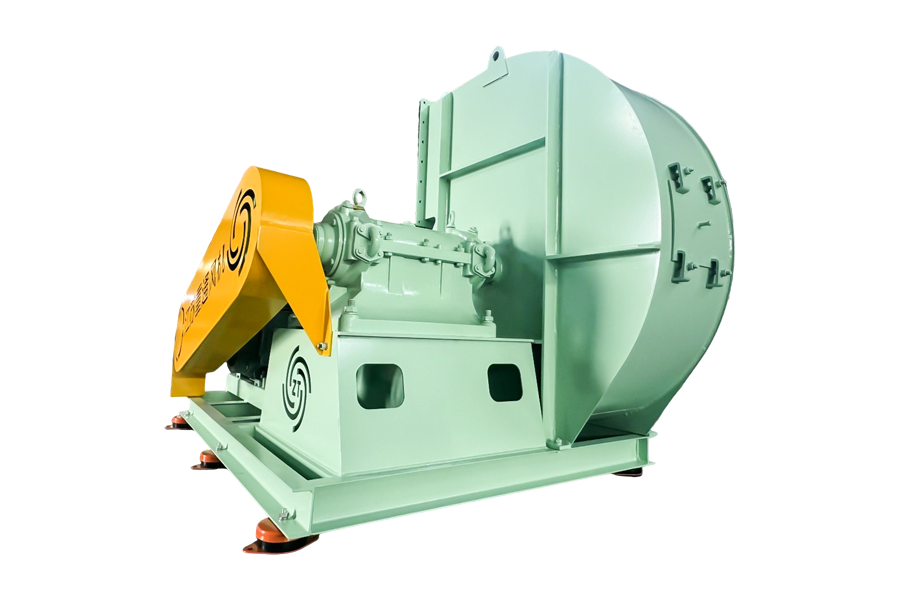
Main fan Product Name Air volume All-in Medium temperature Conveying medium Main fan 1000-30000...
See Details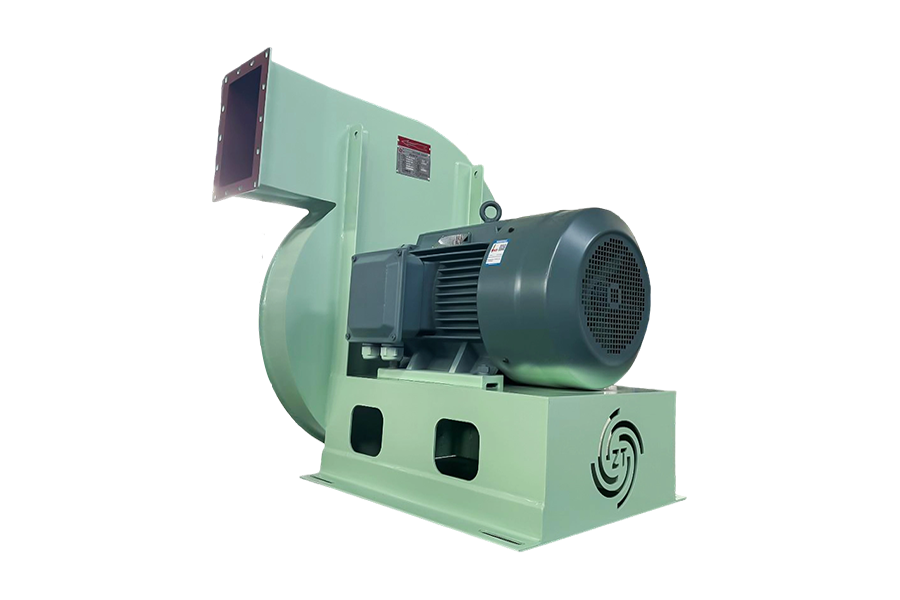
Category: Environmental Protection Industry - Centrifugal Fan for Solid and Liquid Waste Rotary Kiln...
See Details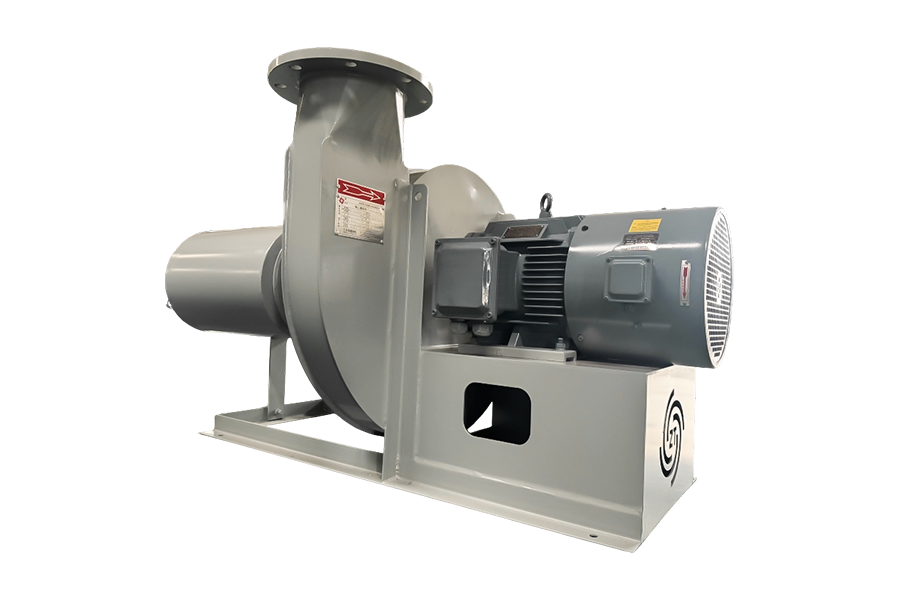
Combustion-supporting fan Product Name Air volume All-in Medium temperature Conveying medium Co...
See Details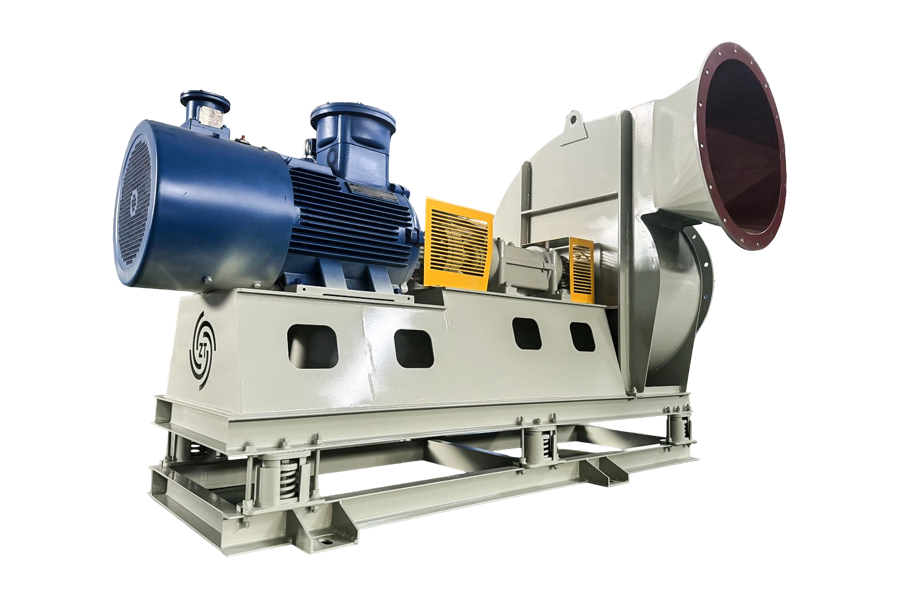
Oxygen supplement fan Product Name Air volume All-in Medium temperature Conveying medium Oxygen...
See Details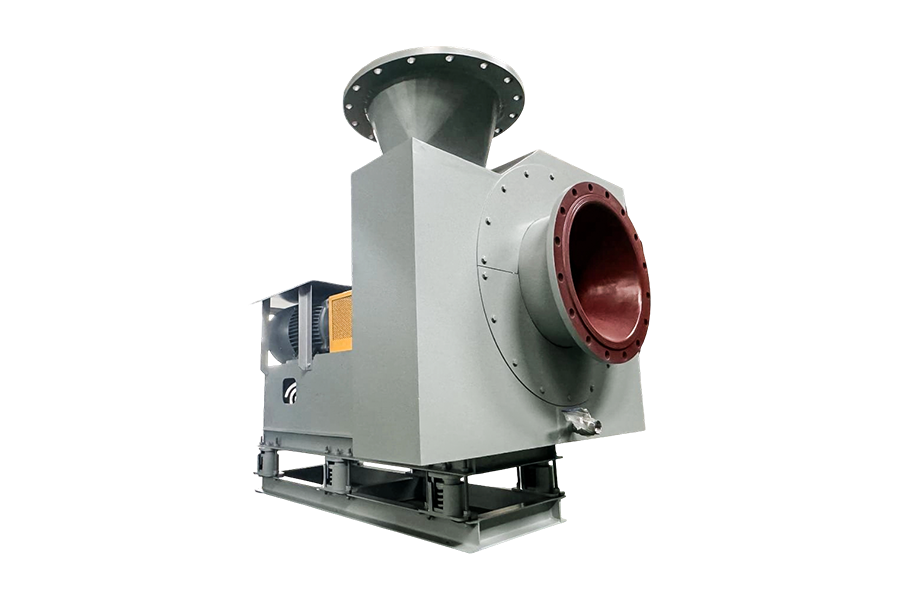
Purge fan Product Name Air volume All-in Medium temperature Conveying medium Purge fan 1000-500...
See Details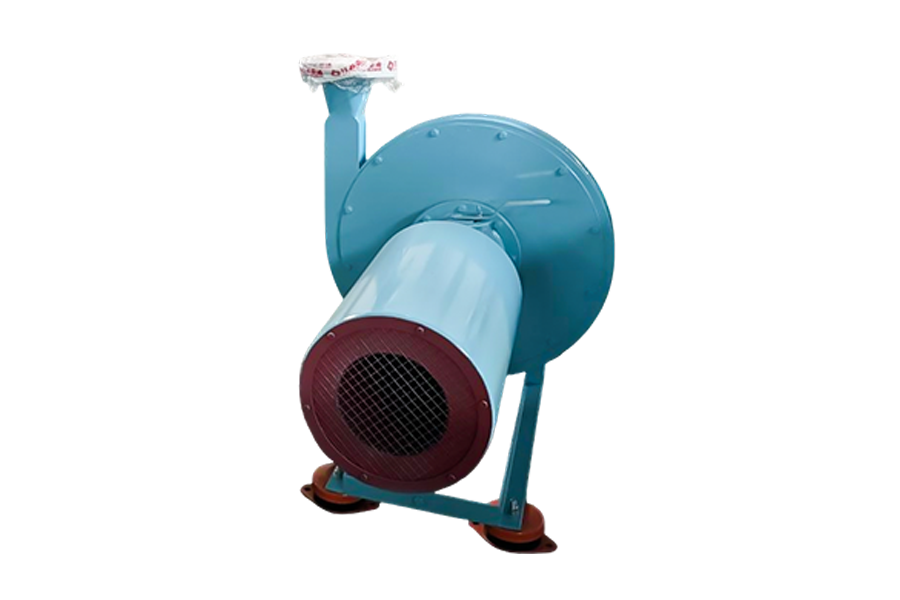
Sealed fan Product Name Air volume All-in Medium temperature Conveying medium Sealed fan 500-10...
See DetailsMobile: +86-188 6157 1101
No.58 Wendong Road, Xushe Town Industrial Zone, Yixing City, Jiangsu Province, China

Copyright © JIANGSU ZT FAN CO.,LTD. All Rights Reserved.
Stainless Steel Centrifugal Fan Manufacturers


+86-188 6157 1101
