
 Contact Us
 Language
 English
 русский
 Español
Category: Boiler System Centrifugal Fan Air blower Product Name Air volume Total pressure ...
See Details
Content
A complete technical guide to centrifugal industrial fans — performance, applications, and selection.
A centrifugal industrial fan is a mechanical device that moves air or gases using a rotating impeller to create airflow and pressure. Widely used in factory exhaust systems, dust collection, VOC treatment, incineration, and industrial ventilation, these fans are the backbone of modern industrial air handling.
Airflow capacity
Static pressure
Material options
A centrifugal industrial fan is a mechanical device designed to move air, gases, or particulate-laden streams through industrial systems. Unlike axial fans that move air in a straight line, centrifugal fans accelerate air outward radially using a rotating impeller, converting kinetic energy into static pressure.
Centrifugal fans are also known as blowers or squirrel-cage fans, named after the shape of their impeller. They are used in a wide range of industrial applications, including ventilation, exhaust gas treatment, dust collection, combustion air supply, and material conveying. Their ability to generate high pressures makes them essential for systems that require overcoming significant resistance.
The basic principle of operation is simple: air enters the fan through the inlet (typically at the center of the impeller), is accelerated outward by the rotating blades, and exits through a scroll housing. The housing converts the high-velocity air into pressure, which is then delivered to the system. This design allows centrifugal fans to handle higher pressures than axial fans while maintaining consistent airflow across varying system resistance.
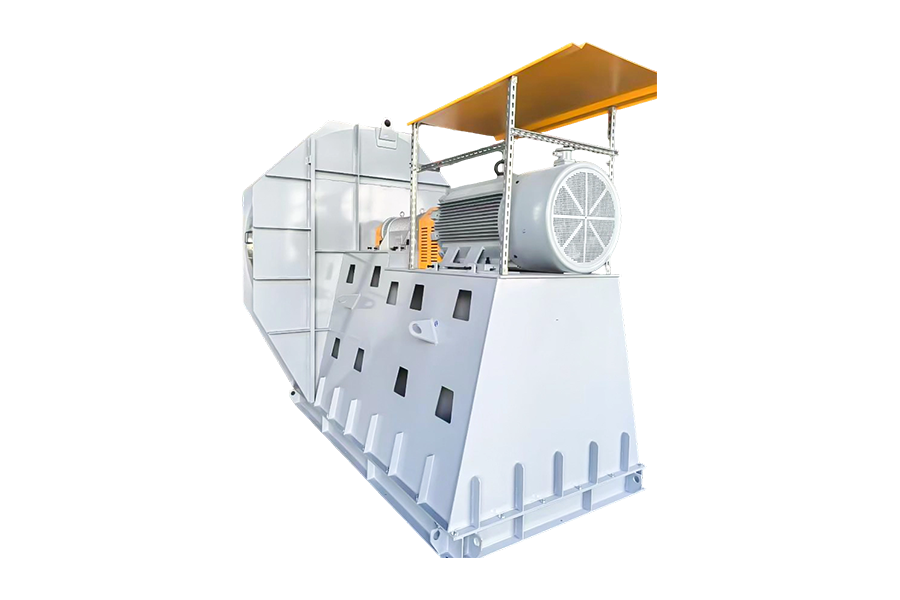
Centrifugal fans are the workhorses of industrial ventilation — reliable, efficient, and capable of handling the toughest air movement challenges.
A centrifugal industrial fan operates on the principle of energy conversion. The motor drives the impeller, which rotates at high speed. Air enters through the inlet and is directed into the impeller, where centrifugal force accelerates the air outward. The scroll housing collects the air and converts velocity into pressure.
Air enters the fan through the inlet, typically located at the center of the impeller. The inlet design ensures smooth airflow with minimal turbulence.
The rotating impeller accelerates air outward radially. The impeller design (blade shape and angle) determines the fan's performance characteristics.
The scroll housing converts the high-velocity air into static pressure. This pressure drives the air through the connected ductwork and system.
Pressurized air exits through the outlet, delivering the required airflow to the application — whether it's exhaust treatment, dust collection, or combustion air supply.
The fan's performance is defined by its airflow capacity (m³/h), static pressure (Pa), and efficiency. These parameters are determined by the impeller design, speed, and housing configuration.
Centrifugal industrial fans are available in several configurations, each with distinct performance characteristics suited to different applications.
Features blades that curve away from the direction of rotation. Offers the highest efficiency (up to 90%) and a non-overloading power characteristic. Suitable for clean air and medium to high-pressure applications. The backward-curved design is the most energy-efficient option, making it ideal for continuous operation in HVAC and industrial ventilation systems.
Features blades that curve toward the direction of rotation. Offers high pressure at moderate speeds with a compact design. Lower efficiency (60-75%) but suitable for low to medium-pressure applications. Forward-curved fans are often used in residential and light commercial HVAC systems where compact size and low noise are priorities.
Features straight radial blades. Handles particulate-laden air and abrasive materials. Moderate efficiency with simple, durable construction. Ideal for harsh conditions and applications involving dust, grit, or corrosive gases. Radial fans are commonly used in dust collection, material handling, and high-temperature applications.
Features aerodynamic blades similar to aircraft wings. Offers the highest efficiency and quiet operation. Used in high-performance HVAC and clean air applications. Airfoil fans are the premium choice for energy-conscious installations where noise and efficiency are critical factors.
Each type offers specific advantages depending on the application requirements. Backward-curved and airfoil fans are preferred for clean air and high-efficiency applications. Radial fans are chosen for handling abrasive or particulate-laden air. Forward-curved fans are used in low-pressure, compact systems.
Centrifugal industrial fans are essential components in numerous industrial processes and systems. The following are some of the most common applications:
Exhaust systems for industrial facilities require reliable fans that can handle high volumes of air and contaminants. Centrifugal fans provide the pressure and flow needed for effective exhaust treatment.
Baghouse and cartridge dust collectors rely on centrifugal fans to generate the suction required for capturing and filtering particulate matter from industrial processes.
Paint booths, coating lines, and other VOC-emitting processes use centrifugal fans to move air through catalytic oxidizers, carbon adsorbers, and other treatment equipment.
Waste liquid and solid waste incineration systems require high-temperature fans capable of handling corrosive and high-temperature gases. Stainless steel centrifugal fans are commonly used in these applications.
Pharmaceutical companies and chemical plants use centrifugal fans for waste gas treatment, fume extraction, and process ventilation. Corrosion-resistant materials are essential in these environments.
Power plants, steel mills, and metal smelting facilities use centrifugal fans for combustion air supply, flue gas handling, and ventilation. These applications demand robust fans capable of continuous operation in harsh conditions.
Leading manufacturers such as Jiangsu ZT Fan Co., Ltd. offer customized centrifugal fan solutions for these diverse applications, with capabilities in carbon steel, stainless steel, and specialized alloys.
Selecting the right centrifugal industrial fan requires careful consideration of several factors. The following guide provides a structured approach to fan selection:
Determine the required airflow (m³/h) based on the system's ventilation or process needs. Consider peak and average operating conditions.
Calculate the static pressure (Pa) required to overcome system resistance, including ductwork, filters, and process equipment. Underestimating pressure can lead to performance issues.
Choose between backward-curved, forward-curved, radial, or airfoil based on efficiency, pressure requirements, and air quality.
Select appropriate materials for the fan construction based on the gas composition, temperature, and presence of corrosive or abrasive elements. Carbon steel, stainless steel, and specialty alloys are available.
Determine the operating temperature of the gas stream and select materials and designs that can withstand these temperatures. High-temperature applications may require special coatings or alloys.
Choose between direct drive and belt drive configurations based on speed requirements, space constraints, and maintenance preferences.
Working with an experienced fan manufacturer is essential for ensuring the correct selection and reliable operation of centrifugal industrial fans.
Your email address will not be published. Required fields are marked*
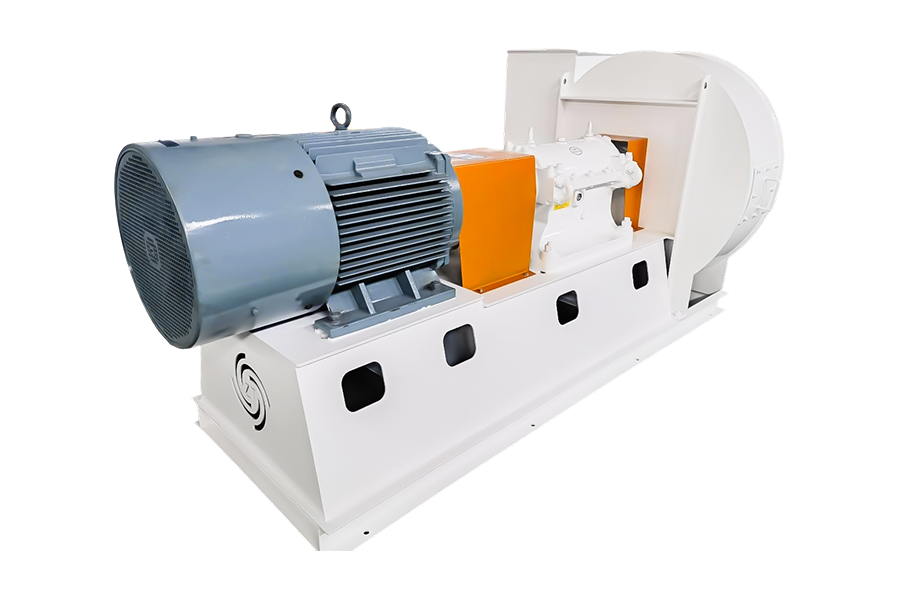
Category: Boiler System Centrifugal Fan Air blower Product Name Air volume Total pressure ...
See Details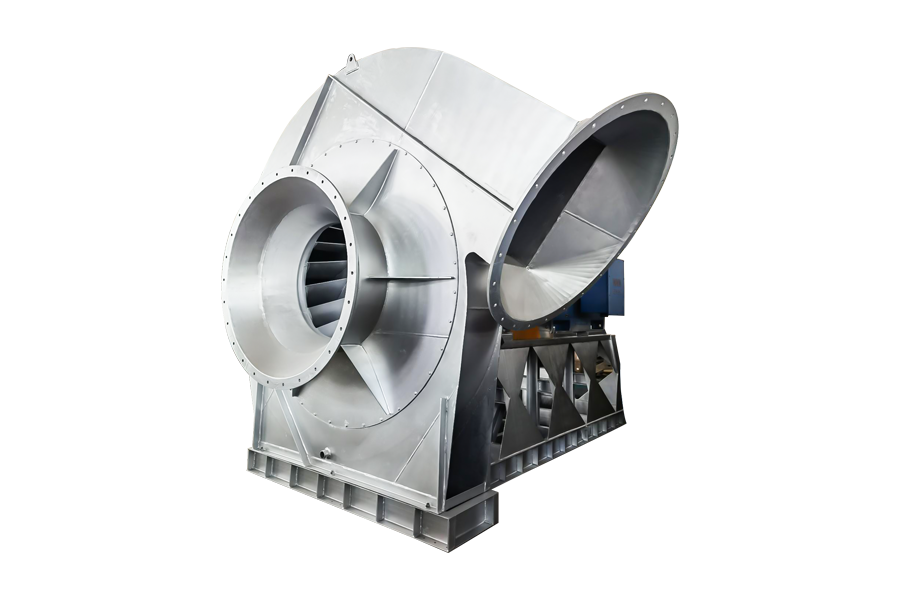
Category: Environmental Protection Industry - Centrifugal Fan for Solid and Liquid Waste Rotary Kiln...
See Details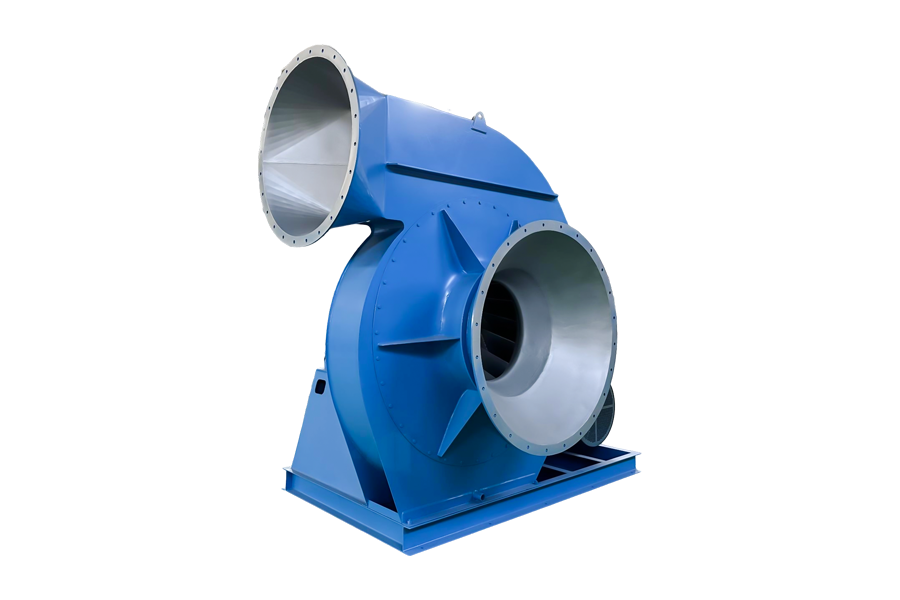
Induced draft fan Product Name Air volume All-in Medium temperature Conveying medium induced dr...
See Details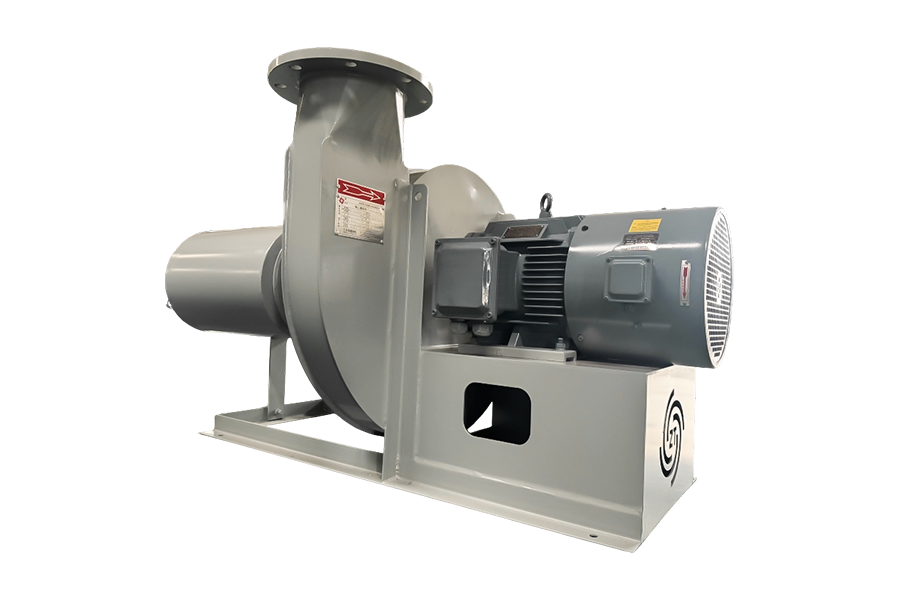
Combustion-supporting fan Product Name Air volume All-in Medium temperature Conveying medium Co...
See Details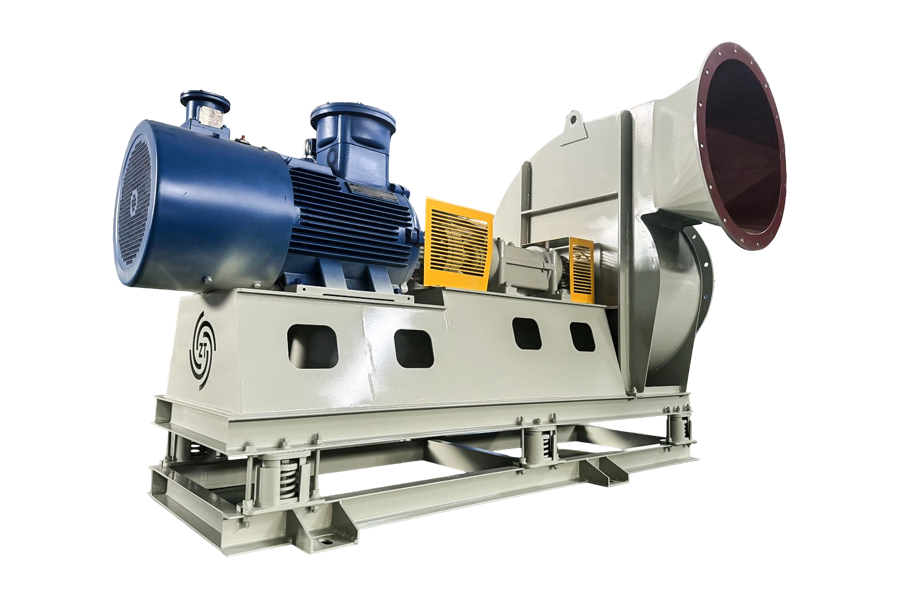
Oxygen supplement fan Product Name Air volume All-in Medium temperature Conveying medium Oxygen...
See Details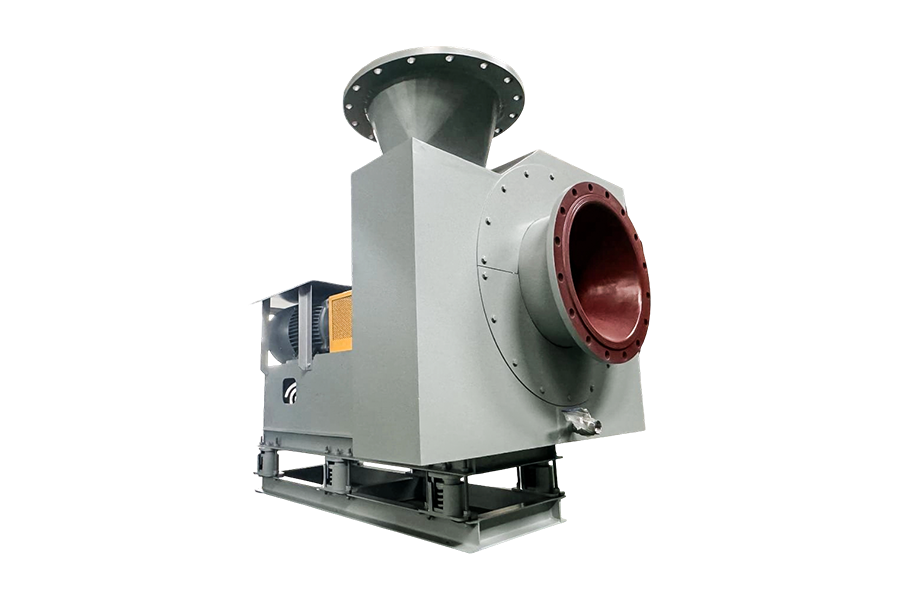
Purge fan Product Name Air volume All-in Medium temperature Conveying medium Purge fan 1000-500...
See DetailsMobile: +86-188 6157 1101
No.58 Wendong Road, Xushe Town Industrial Zone, Yixing City, Jiangsu Province, China

Copyright © JIANGSU ZT FAN CO.,LTD. All Rights Reserved.
Stainless Steel Centrifugal Fan Manufacturers


+86-188 6157 1101
