
 Contact Us
 Language
 English
 русский
 Español
Main fan Product Name Air volume All-in Medium temperature Conveying medium Main fan 1000-30000...
See Details
Content
1. The industrial centrifugal exhaust fan operates on the principle of kinetic energy conversion, where the rotational energy of the impeller is transformed into pressure energy within the volute casing. 2. When analyzing how impeller blade geometry optimizes static pressure, engineers distinguish between backward-curved, forward-curved, and radial-tip designs; backward-curved blades are specifically engineered to handle high-resistance ductwork by providing a non-overloading power characteristic and higher static efficiency. 3. For a high-capacity industrial centrifugal exhaust fan, the curvature of the blade dictates the angle at which air exits the periphery, directly influencing the fan's ability to overcome system resistance without a significant drop in volumetric flow rate. 4. The impact of backward-curved vs. forward-curved impellers is most evident in industrial ventilation where system static pressure exceeds 2000 Pa; backward-curved designs maintain a higher "stall margin," ensuring stable airflow even as filters become loaded.
1. Why high-tensile carbon steel is used for fan impellers relates to the extreme centrifugal forces generated at high RPM; the tensile strength of the material (often exceeding 450 MPa) must withstand the hoop stress to prevent catastrophic failure. 2. In corrosive environments, comparing SS316L vs. coated carbon steel for exhaust fans is critical; SS316L offers superior resistance to pitting, while specialized epoxy or phenolic coatings can be applied to maintain an Ra surface finish below 6.3 micrometers, reducing aerodynamic drag and material buildup. 3. The industrial centrifugal exhaust fan must adhere to ISO 1940 G2.5 balancing standards to minimize vibration-induced stress on the bearings and housing, which is essential for a 24/7 duty cycle. 4. Achieving ISO 1940 G2.5 balancing for industrial fans effectively extends the Mean Time Between Failure (MTBF) of the drive system by reducing the dynamic load on the shaft and motor bearings.
1. Calculating the brake horsepower (BHP) of a centrifugal fan involves integrating the volumetric flow rate, total pressure, and the fan's mechanical efficiency; using airfoil-shaped blades can push static efficiency beyond 80 percent in optimal conditions. 2. Why AMCA 210 certification is critical for industrial fans: This standard ensures that the published performance curves for static pressure and airflow are verified through rigorous laboratory testing, preventing undersizing in complex duct networks. 3. Optimizing industrial fan performance with VFD technology allows the system to respond to variable resistance; by adjusting the frequency, the industrial centrifugal exhaust fan can follow the system curve, significantly reducing energy consumption during partial-load operations. 4. Component Performance Specification Matrix:
| Parameter | Forward Curved Impeller | Backward Curved Airfoil Impeller |
| Peak Static Efficiency | 60 - 68 percent | 78 - 85 percent |
| Static Pressure Capability | Moderate | High (Optimized for Resistance) |
| Dust/Particulate Loading | Prone to Buildup | Self-Cleaning Geometry |
| Relative Sound Power | Higher (Small Wheel/High RPM) | Lower (Aerodynamic Profile) |
1. Analyzing the specific sound power level of exhaust fans reveals that aerodynamic noise is primarily a function of blade pass frequency (BPF) and tip speed; airfoil blades reduce turbulence-induced noise compared to flat-plate designs. 2. The influence of volute casing design on fan pressure recovery is paramount; the expanding area of the scroll converts high-velocity air into static pressure, which is vital for overcoming the friction losses of long-range ducting. 3. Implementing vibration spectrum analysis for centrifugal fans allows for the detection of early-stage bearing wear or impeller imbalance, enabling predictive maintenance that avoids unplanned industrial downtime.
1. What is the difference between static pressure and total pressure in an exhaust system? Static pressure is the pressure exerted on duct walls regardless of airflow direction, used to overcome resistance. Total pressure is the sum of static pressure and velocity pressure. An industrial centrifugal exhaust fan must be sized based on the system's total static pressure requirements. 2. How do airfoil blades improve energy efficiency? Airfoil blades function like aircraft wings, creating a pressure differential that reduces turbulence at the trailing edge. This results in higher tensile strength-to-weight ratios for the impeller and higher aerodynamic efficiency compared to constant-thickness blades. 3. Why does my fan vibrate at certain speeds? This is often due to the "critical speed" or resonance of the assembly. Modern industrial centrifugal exhaust fan systems use VFDs to skip these resonant frequencies, combined with G2.5 balancing to keep vibration levels within ISO limits. 4. Can these fans handle high-temperature gas streams? Yes, but they require heat-dissipating wheels and high-temperature lubricants. For gas temperatures exceeding 250 degrees Celsius, an independent bearing pedestal and cooling fan for the shaft are typically required. 5. What causes a centrifugal fan to "surge"? Surge occurs when the system resistance is too high for the fan's pressure-producing capability, causing the air to momentarily reverse flow. Selecting a fan with a steeper pressure curve, such as a backward-curved model, helps prevent this in high-resistance applications.
1. AMCA Publication 210: Laboratory Methods of Testing Fans for Certified Aerodynamic Performance Rating. 2. ISO 1940-1: Mechanical vibration — Balance quality requirements for rotors in a constant (rigid) state. 3. ANSI/AMCA Standard 204: Balance Quality and Vibration Levels for Fans.
Your email address will not be published. Required fields are marked*
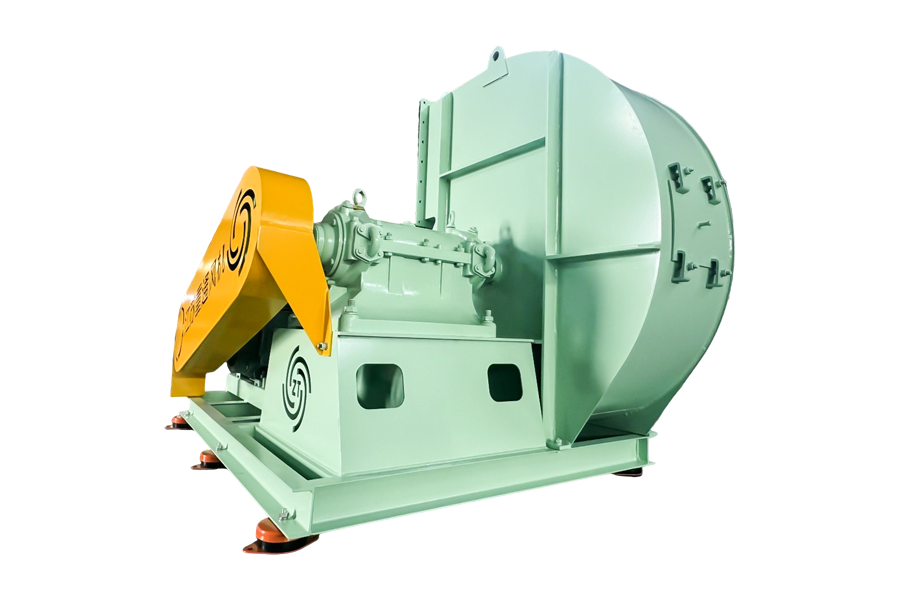
Main fan Product Name Air volume All-in Medium temperature Conveying medium Main fan 1000-30000...
See Details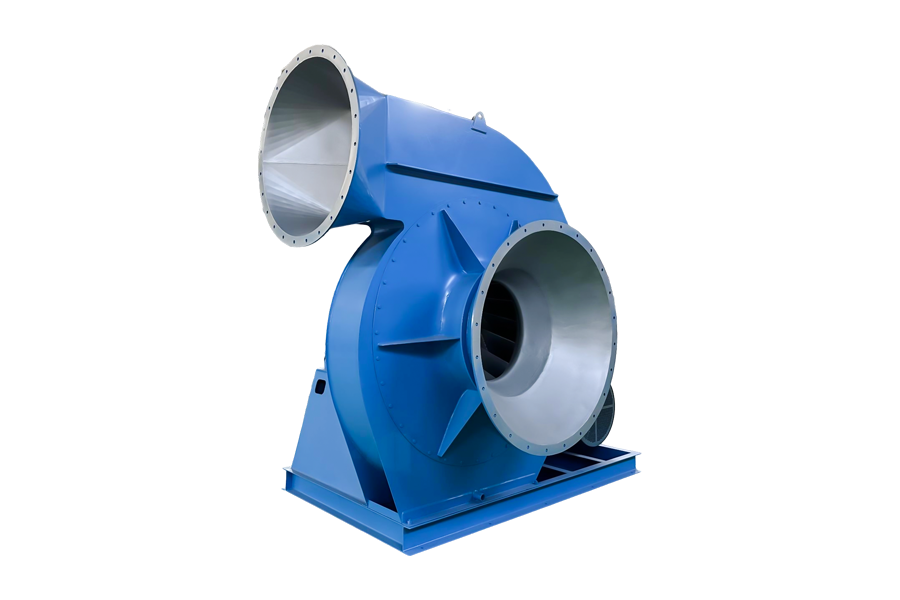
Induced draft fan Product Name Air volume All-in Medium temperature Conveying medium induced dr...
See Details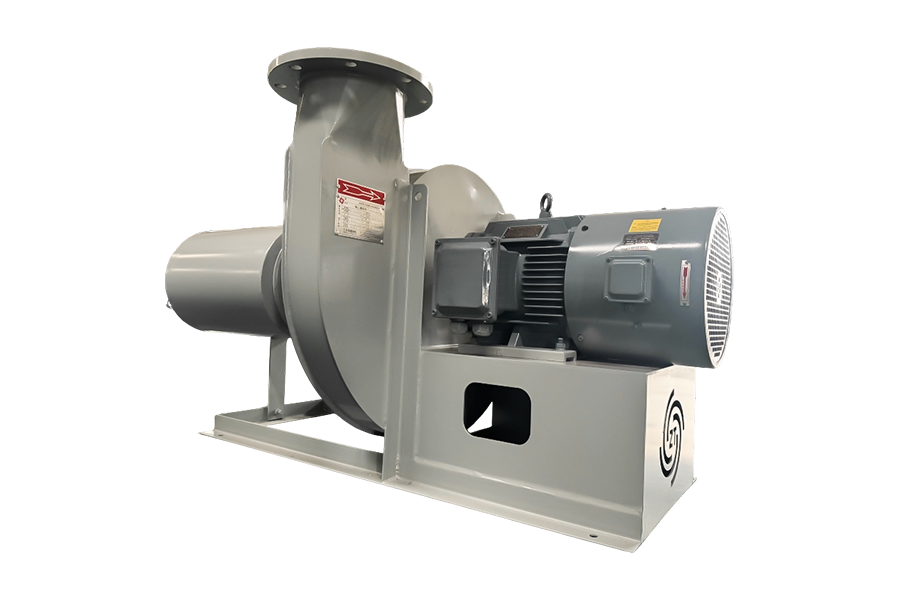
Combustion-supporting fan Product Name Air volume All-in Medium temperature Conveying medium Co...
See Details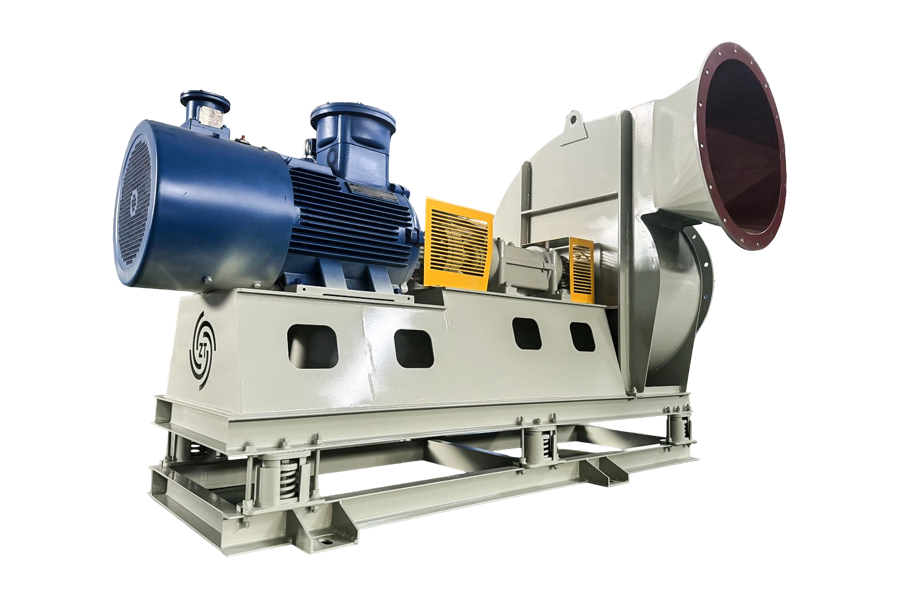
Oxygen supplement fan Product Name Air volume All-in Medium temperature Conveying medium Oxygen...
See Details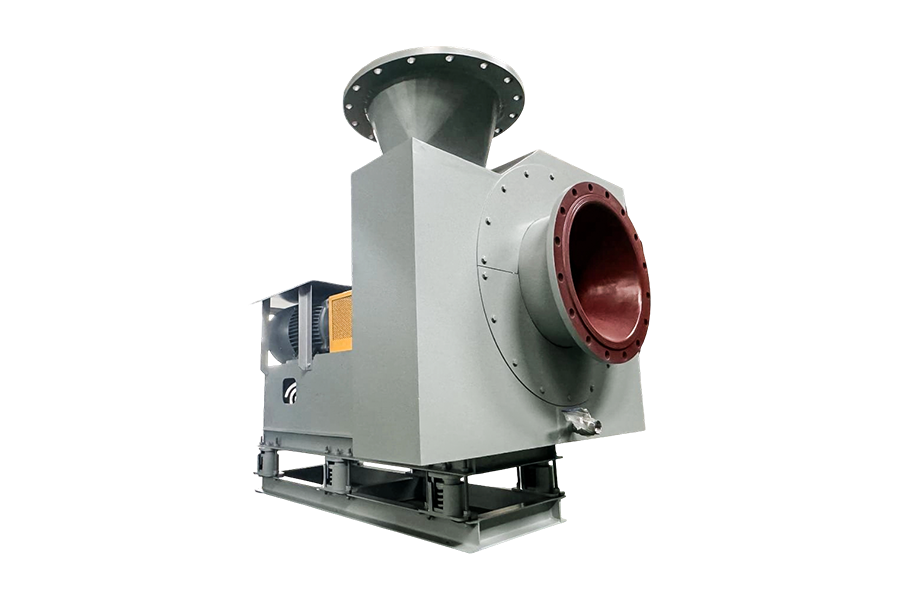
Purge fan Product Name Air volume All-in Medium temperature Conveying medium Purge fan 1000-500...
See Details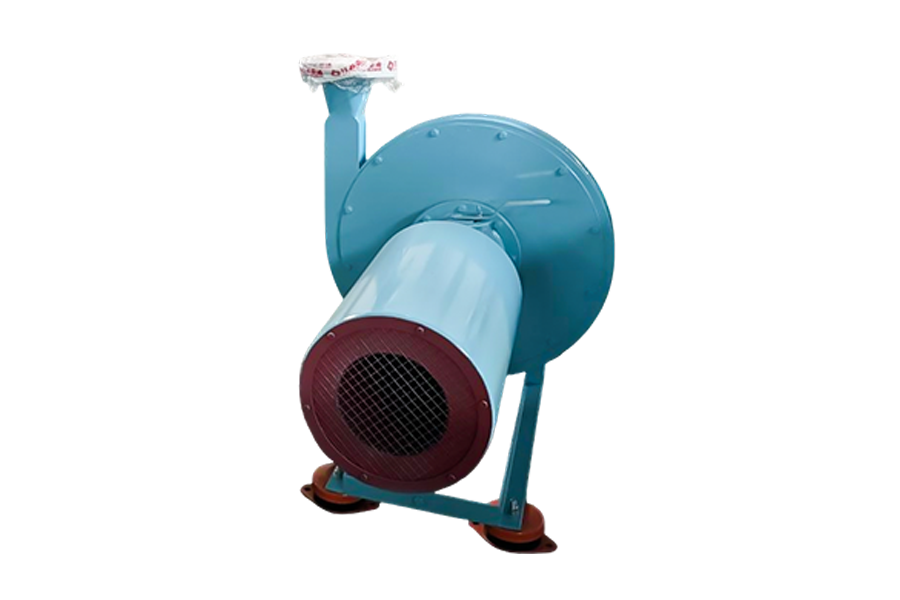
Sealed fan Product Name Air volume All-in Medium temperature Conveying medium Sealed fan 500-10...
See DetailsMobile: +86-188 6157 1101
No.58 Wendong Road, Xushe Town Industrial Zone, Yixing City, Jiangsu Province, China

Copyright © JIANGSU ZT FAN CO.,LTD. All Rights Reserved.
Stainless Steel Centrifugal Fan Manufacturers


+86-188 6157 1101
