
 Contact Us
 Language
 English
 русский
 Español
Category: Centrifugal fans for the coating industry Plug-in high-temperature fan Product Name Air...
See Details
Content
Modern livestock and greenhouse facilities require precise climate management. A Fan For Agriculture provides the necessary air exchange to remove excess heat, moisture, and airborne pathogens. Wholesale buyers and facility engineers prioritize these ventilation systems to maintain optimal animal health and crop yields. The core function involves replacing stale indoor air with fresh outdoor air. This exchange process regulates temperature and reduces relative humidity. Proper air movement also prevents the stratification of gases like ammonia and carbon dioxide.
Procurement specialists must evaluate several mechanical parameters before placing large orders. The physical dimensions of the fan dictate the installation requirements. The blade design directly influences the airflow volume and energy consumption.
Cubic feet per minute measures the volume of air a fan moves. Engineers calculate the required CFM by multiplying the building volume by the target air changes per hour. Poultry houses typically require 6 to 8 air changes per hour during mild weather. During extreme summer heat, this requirement increases to 1 minute complete air exchange. Buyers must ensure the selected fans can achieve these high volumes without exceeding standard static pressure limits. Undersized fans lead to heat stress and reduced productivity.
Agricultural environments contain high levels of dust, ammonia, and moisture. These elements quickly degrade standard electrical components. The ingress protection rating indicates the level of sealing against solid objects and liquids. A motor with an IP55 rating protects against dust ingress and water jets from any direction. For tunnel-ventilated poultry houses, engineers often specify IP65 or higher ratings. This superior sealing prevents corrosive gases from shortening the motor's lifespan.
The housing and blade materials determine the operational lifespan. Agricultural fans run continuously for months. Structural fatigue causes premature failures in low-quality assemblies.
Manufacturers use several materials for fan blades. The choice affects the balance, weight, and corrosion resistance. Stainless steel blades offer excellent durability but add significant weight to the rotating assembly. Aluminum blades provide a good balance of strength and weight. Fiberglass reinforced plastic blades are increasingly popular due to their high strength-to-weight ratio and inherent resistance to chemical corrosion. Fiberglass blades also maintain their pitch angle over time, ensuring consistent airflow performance.
Safety guards protect livestock and workers from the rotating blades. The guard mesh size must comply with local agricultural safety standards. Heavy-duty shutters prevent backdrafts when the fan is offline. The shutter hinges require regular lubrication to prevent rust buildup that restricts airflow.
Engineers must choose between different fan configurations based on the facility layout. The two most common designs are direct drive and belt drive systems. Each design offers distinct mechanical advantages for specific applications.
Direct drive fans mount the fan blades directly onto the motor shaft. Belt drive fans use pulleys and a belt to transfer power from the motor to the fan shaft. The direct drive design has fewer moving parts. The belt drive design allows engineers to adjust the fan speed by changing the pulley ratio. This flexibility helps match the airflow to changing seasonal demands.
| Feature | Direct Drive Fan | Belt Drive Fan |
| Maintenance Level | Low | High |
| Speed Adjustability | Fixed | Variable via pulleys |
| Mechanical Efficiency | Higher | Lower due to belt friction |
| Initial Cost | Higher | Lower |
Proper installation ensures the fan achieves its rated CFM capacity. Maintenance routines prevent unexpected downtime during critical growing seasons. Facility managers must implement strict inspection schedules.
A structured maintenance program maximizes the return on investment. Maintenance crews should inspect the fan assemblies monthly. They must check the belt tension on belt-driven models. A loose belt slips and reduces airflow, while an overtightened belt damages the motor bearings. Technicians should clean the shutter hinges and lubricate them with a heavy-duty grease. They must also inspect the blade pitch. A bent or shifted blade causes vibration that damages the motor bearings over time.
Your email address will not be published. Required fields are marked*
Category: Centrifugal fans for the coating industry Plug-in high-temperature fan Product Name Air...
See Details
Oxygen supplement fan Product Name Air volume All-in Medium temperature Conveying medium Oxygen...
See Details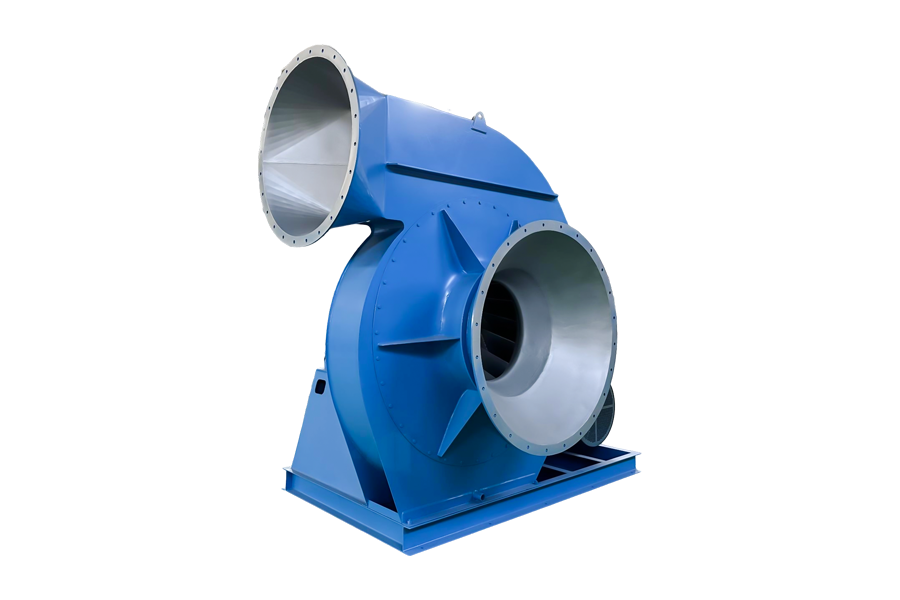
Induced draft fan Product Name Air volume All-in Medium temperature Conveying medium induced dr...
See Details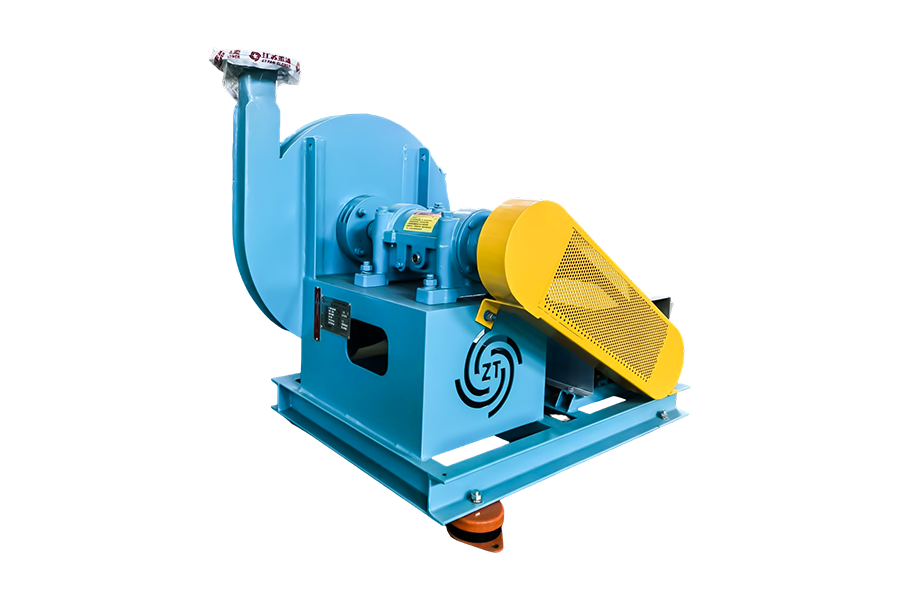
Exhaust fan Product Name Air volume All-in Medium temperature Conveying medium exhaust fan 1000...
See Details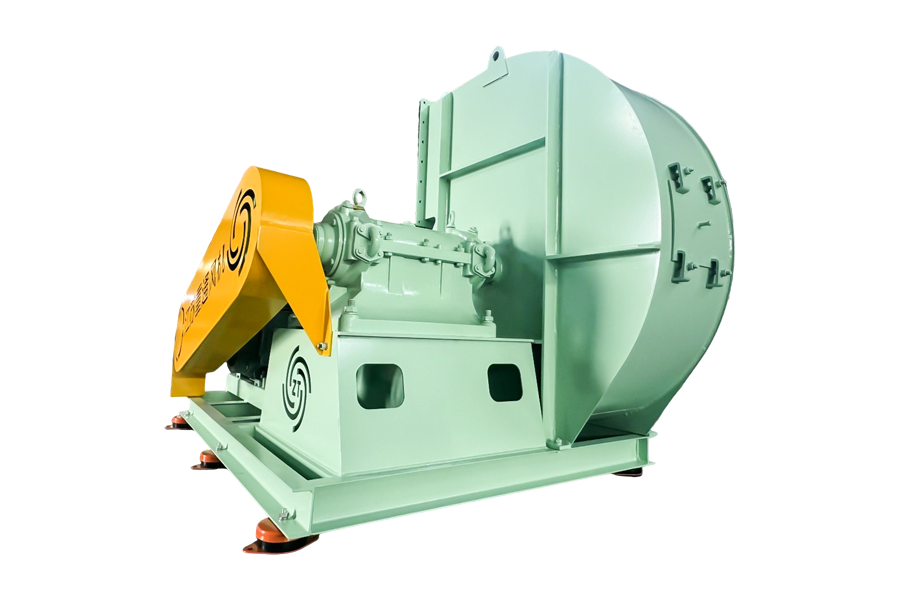
Main fan Product Name Air volume All-in Medium temperature Conveying medium Main fan 1000-30000...
See Details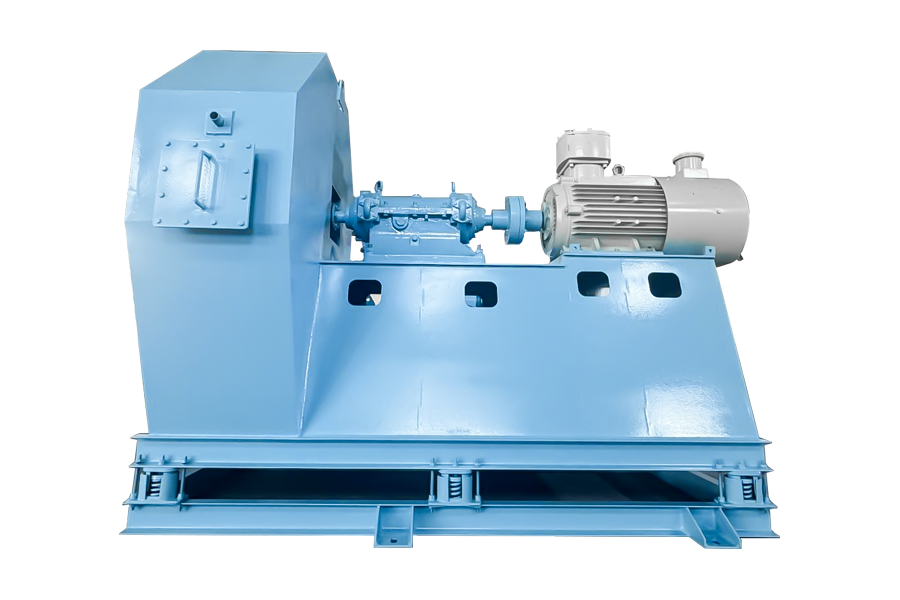
Category: Boiler System Centrifugal Fan Induced draft fan (suction fan) Product Name Air volum...
See DetailsMobile: +86-188 6157 1101
No.58 Wendong Road, Xushe Town Industrial Zone, Yixing City, Jiangsu Province, China

Copyright © JIANGSU ZT FAN CO.,LTD. All Rights Reserved.
Stainless Steel Centrifugal Fan Manufacturers


+86-188 6157 1101
