
 Contact Us
 Language
 English
 русский
 Español
Main fan Product Name Air volume All-in Medium temperature Conveying medium Main fan 1000-30000...
See Details
Content
1. The Heavy Duty Centrifugal Fan is engineered to meet the stringent API 673 standard, which dictates the minimum requirements for centrifugal fans in petroleum, chemical, and gas industry services. 2. In evaluating how API 673 compliant design ensures structural integrity, engineers focus on the rigid housing construction and the requirement that the first critical speed must be at least 125 percent of the maximum continuous operating speed. 3. For a high-specification Heavy Duty Centrifugal Fan, the use of Finite Element Analysis (FEA) is mandatory to simulate localized stress distribution under maximum centrifugal loading and thermal expansion. 4. The impact of API 673 standards on fan casing thickness results in significantly heavier plate gauges compared to commercial grade fans, often exceeding 10 mm to prevent oil-canning and structural resonance during 24/7 cycles.
1. Why high-tensile alloy steel is used for heavy-duty impellers: The tensile strength of materials such as Q345R or specialized chromium-molybdenum alloys ensures the rotor can withstand peripheral tip speeds exceeding 150 meters per second. 2. Testing the fatigue life of heavy-duty centrifugal fan impellers involves non-destructive testing (NDT), including ultrasonic and dye-penetrant inspections of all critical welds to ensure zero defects in the heat-affected zone (HAZ). 3. In a Heavy Duty Centrifugal Fan designed for cement or mining, tungsten carbide hard-facing for fan blade protection is applied to increase the Vickers hardness of the leading edges, extending service life by up to 300 percent in high-particulate air streams. 4. Maintaining a controlled Ra surface finish on the impeller blades reduces aerodynamic drag and minimizes the accumulation of adhesive dust, which can lead to dynamic imbalance over time.
1. Achieving G2.5 precision balancing for heavy-duty fans per ISO 1940 standards is essential to minimize the dynamic forces transmitted to the bearing pedestals and the foundation. 2. Why thermal expansion compensation is critical in heavy-duty fans: For gas streams exceeding 150 degrees Celsius, floating bearing designs and flexible couplings prevent drive-shaft misalignment as the Heavy Duty Centrifugal Fan reaches its steady-state operating temperature. 3. Optimizing heavy-duty fan bearing L10 life requires the use of split-pillow block housings with circulating oil lubrication or water-cooling jackets to maintain lubricant viscosity in extreme thermal environments. 4. Comparative Structural Matrix:
| Engineering Metric | Commercial Grade Centrifugal Fan | Heavy Duty Centrifugal Fan (API 673) |
| Critical Speed Margin | 10-15 percent | >25 percent |
| Shaft Design Ratio (D/L) | Standard | Over-sized for Stiffness |
| Vibration Limit (Unfiltered) | 4.5 - 6.3 mm/s | < 2.5 mm/s |
| Material tensile strength | ~250 MPa | >450 MPa |
1. Using VFD technology for heavy-duty fan load management allows the motor to start with reduced torque, protecting the drive-train from mechanical shock and allowing the system to operate at the most efficient point of the fan curve. 2. Analyzing vibration spectrum data for heavy-duty fans enables the early detection of bearing cage failure or loose foundation bolts, which are common causes of unplanned downtime in heavy industry. 3. Implementing automatic lubrication for heavy-duty centrifugal fans ensures that the bearings receive precise volumes of grease at calculated intervals, effectively reducing the risk of human error in harsh environments.
1. What makes a fan "Heavy Duty" compared to standard industrial fans? A Heavy Duty Centrifugal Fan is defined by its heavier gauge casing, over-sized shafting, and the use of high-strength alloys. It is designed to handle higher pressures, temperatures, and 24/7 operational loads without structural fatigue. 2. Does API 673 compliance increase the cost significantly? Yes, primarily due to the increased material mass, more stringent NDT welding requirements, and the necessity of precision balancing and tensile strength verification of the rotor. 3. Can these fans handle gases with corrosive chemicals? Yes, but they require comparing stainless steel vs specialty coatings for fan casing. For acidic environments, SS316L or Hastelloy components are often specified for the wetted parts. 4. What is the typical L10 life for bearings in these fans? Under API 673 guidelines, bearings are typically specified for a minimum L10 life of 40,000 hours, though 100,000 hours is common in critical process applications with proper lubrication. 5. How does a "Spark Resistant" construction work for heavy-duty fans? Per AMCA standards, this involves using non-ferrous materials (like aluminum) for the inlet cone or impeller to prevent mechanical sparks if rotating parts make contact with the stationary housing.
1. API Standard 673: Centrifugal Fans for Petroleum, Chemical, and Gas Industry Services. 2. ISO 1940-1: Mechanical vibration — Balance quality requirements for rotors. 3. AMCA Standard 210: Laboratory Methods of Testing Fans for Aerodynamic Performance Rating.
Your email address will not be published. Required fields are marked*
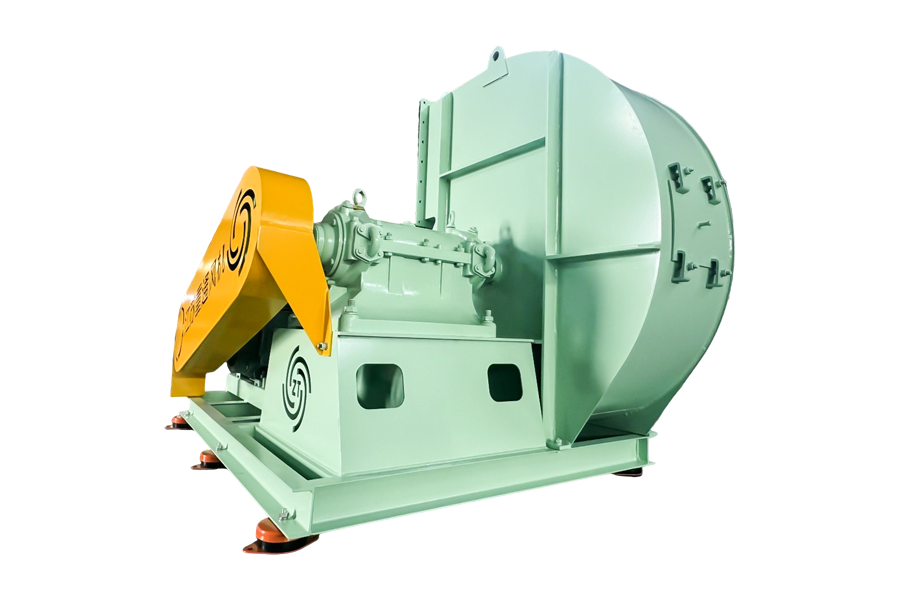
Main fan Product Name Air volume All-in Medium temperature Conveying medium Main fan 1000-30000...
See Details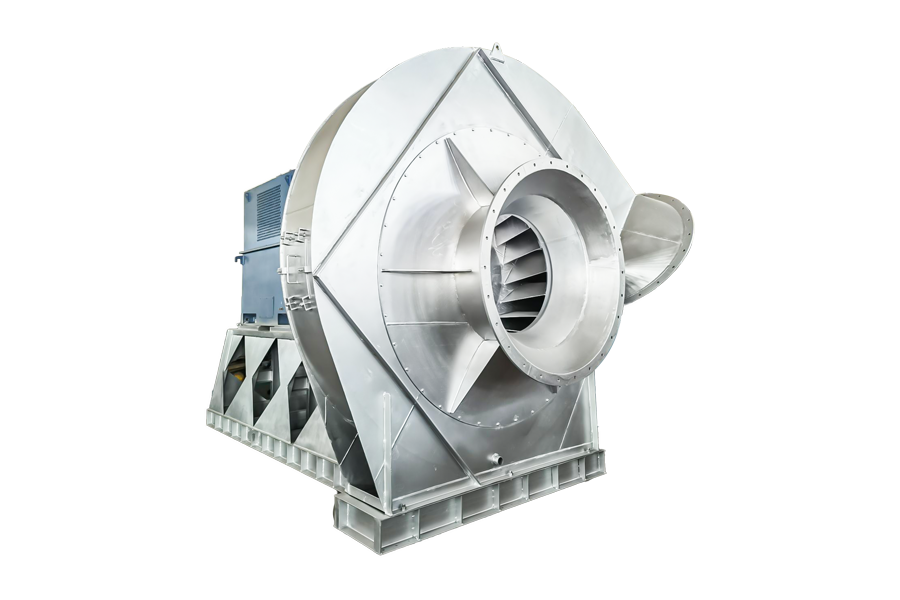
Category: Metallurgical Industry - Melting Furnace Centrifugal Fan exhaust fan Product Name Ai...
See Details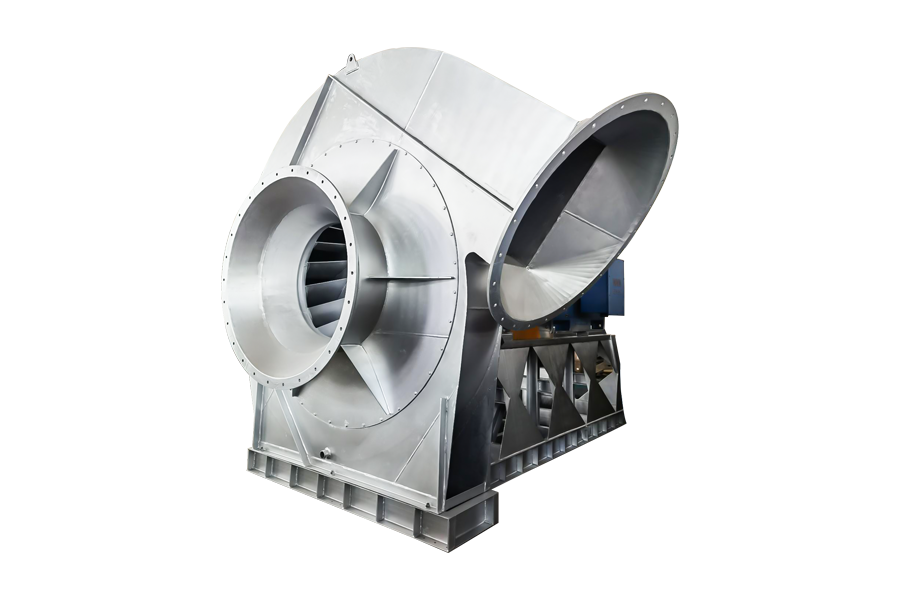
Category: Metallurgical Industry - Roasting Furnace Centrifugal Fan exhaust fan Product Name A...
See Details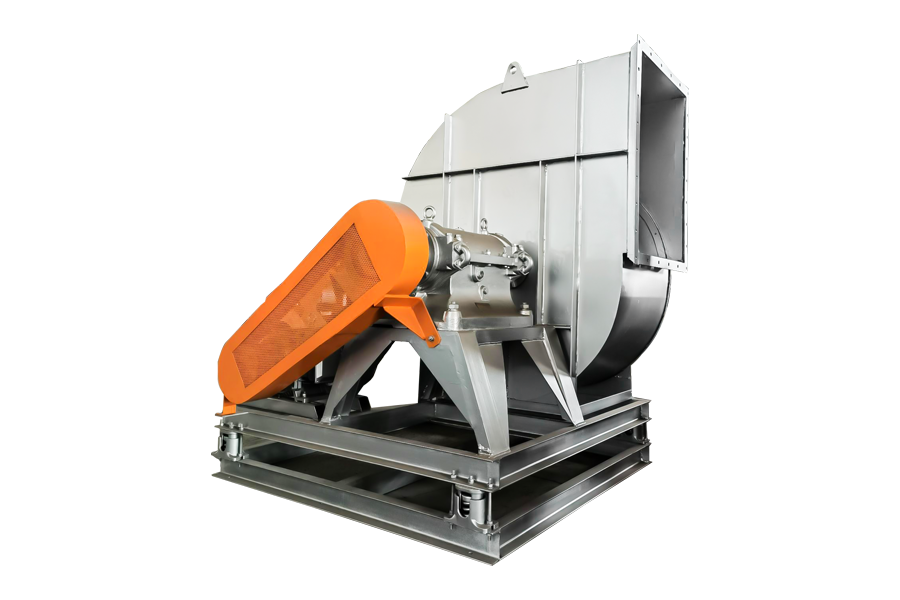
Category: Metallurgical Industry - Roasting Furnace Centrifugal Fan Circulation fan Product Name...
See Details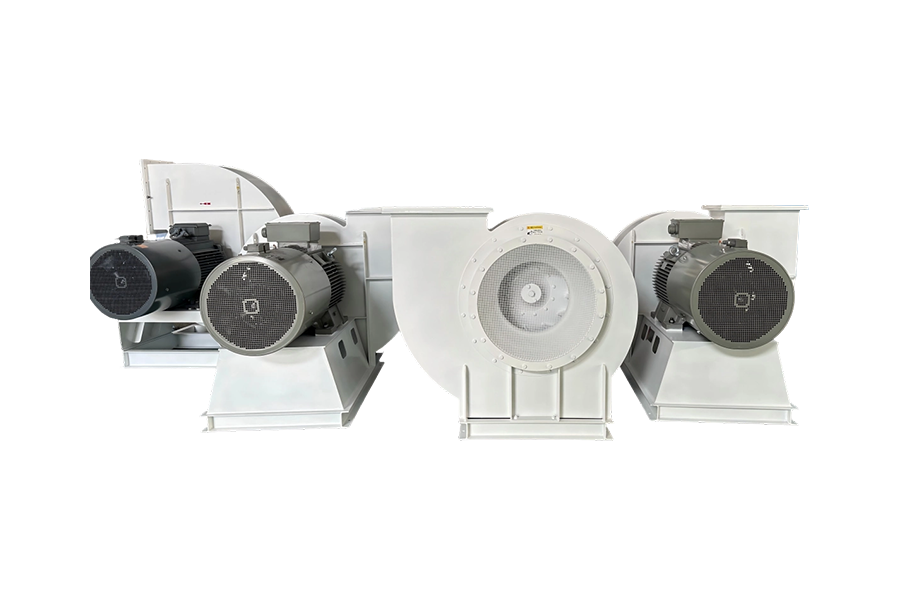
Category: Environmental Protection Industry - Centrifugal Fan for Solid and Liquid Waste Rotary Kiln...
See Details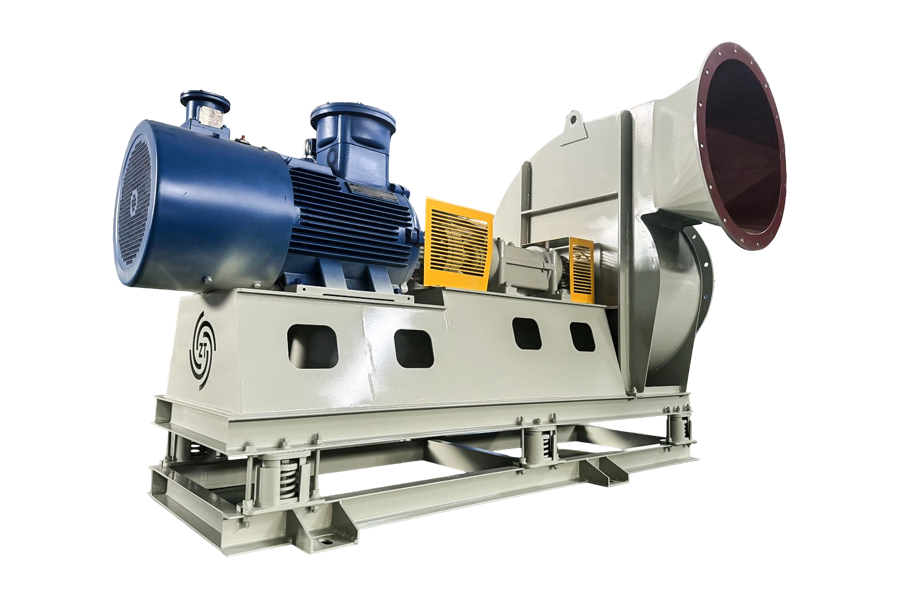
Oxygen supplement fan Product Name Air volume All-in Medium temperature Conveying medium Oxygen...
See DetailsMobile: +86-188 6157 1101
No.58 Wendong Road, Xushe Town Industrial Zone, Yixing City, Jiangsu Province, China

Copyright © JIANGSU ZT FAN CO.,LTD. All Rights Reserved.
Stainless Steel Centrifugal Fan Manufacturers


+86-188 6157 1101
