
 Contact Us
 Language
 English
 русский
 Español
Main fan Product Name Air volume All-in Medium temperature Conveying medium Main fan 1000-30000...
See Details
Content
Agricultural ventilation fans must deliver a minimum air exchange rate of 1 full volume change per minute for poultry, 0.5 per minute for swine, and 4–8 air changes per hour for greenhouse crops. Fan sizing is determined by building volume, animal heat load, and target temperature differential — not by guesswork. Selecting the wrong size costs 20–40% in energy waste and causes measurable production losses through heat stress or moisture buildup.
Fan sizing follows a three-step formula: calculate building volume, determine the required air changes per hour for your livestock or crop type, and apply a correction factor for static pressure and duct losses. Undersizing is the most common mistake on farms.
For a 1,000 m³ broiler house requiring 60 air changes per hour in summer conditions, the minimum fan capacity needed is 60,000 m³/h. In practice, add a 20% safety margin to cover fan curve degradation over time and peak demand spikes.
Length x width x average interior height. For pitched roofs, use 0.75 x ridge height as the average. Include attached handling areas if they share the same airspace. A 40 m x 12 m x 3 m broiler house = 1,440 m³.
Broilers require 60 ACH in summer. Layer hens: 40–50 ACH. Pigs on slats: 30–40 ACH. Dairy cattle: 20–30 ACH. Greenhouses: 4–8 ACH winter, 30–60 ACH summer cooling. These figures come from ASHRAE and CIGR design standards.
Every 25 Pa of static pressure reduces fan output by approximately 10–15%. Tunnel-ventilated buildings with 60 m run length and standard inlet areas typically operate at 25–50 Pa. Always check fan performance curves at the operating static pressure, not just free-air capacity ratings on the label.
| Building Type | Summer ACH Target | Winter ACH Target | Typical Static Pressure |
|---|---|---|---|
| Broiler House (tunnel) | 60–80 | 4–6 | 25–50 Pa |
| Layer Hen House | 40–50 | 3–5 | 20–40 Pa |
| Swine Finishing | 30–40 | 2–4 | 15–35 Pa |
| Dairy Freestall Barn | 20–30 | 6–10 | 10–20 Pa |
| Commercial Greenhouse | 30–60 | 4–8 | 10–25 Pa |
Airflow requirements are not just about temperature — they also control humidity, ammonia, carbon dioxide, and pathogen load. Each species and production stage has a distinct minimum and maximum that determines fan staging strategy.
A 2.5 kg broiler at peak summer needs 11.25 m³/h. A 50,000-bird flock requires 562,500 m³/h — typically met by 20–24 fans of 36-inch diameter running in tunnel mode.
A 100 kg finishing pig needs 300 m³/h at summer peak. Ventilation below 50 m³/h per pig allows ammonia to exceed 20 ppm, the threshold linked to respiratory disease and 8–12% feed conversion deterioration.
Heat stress above 24 degrees Celsius (THI 72) drops milk production by 1–2 kg per cow per day. High-volume circulation fans placed every 9–12 m along the feed lane sustain air velocity of 1.5–2.5 m/s at cow level, sufficient to support evaporative cooling.
Tomato and cucumber crops require minimum 0.3 m/s air speed at plant height to prevent botrytis infection. In summer, evaporative cooling systems demand 150–200 m³/h per m² floor area to maintain a 10-degree Celsius reduction from ambient.
Five variables account for 80% of the gap between rated fan performance and actual field performance. Understanding them prevents oversizing errors and energy waste.
Every inlet louver, bird guard screen, evaporative pad, or duct bend adds resistance. A dirty evaporative pad increases static pressure from a baseline 25 Pa to 60–80 Pa, cutting fan output by 30–40%. Fan screens clogged with feathers reduce airflow by 15–20% in poultry houses. Schedule cleaning every 4–6 weeks in heavy-dust environments.
V-belt driven fans lose 5–15% of motor power to belt slip and misalignment. Direct-drive fans eliminate this entirely. On a 2.2 kW fan running 6,000 hours per year, switching from belt to direct drive saves 800–2,000 kWh annually. Check belt tension every 500 operating hours on older installations.
Fiberglass or reinforced polypropylene blades with aerodynamic cross-sections move 12–18% more air per watt than stamped steel blades of the same diameter. Blade pitch angle is set at manufacture; a 32-degree pitch is optimal for most agricultural fans. Blades operating with manure or dust deposits lose 8–12% efficiency within 30 days in unfiltered livestock environments.
Wind blowing against exhaust fans (negative assistance) reduces output by 5–25% at wind speeds of 5–10 m/s. Fan placement on the leeward wall is preferred. Cone discharge fans recover 10–15% efficiency over flat discharge on exposed installations by directing the exhaust jet away from the building wall and reducing recirculation.
ASHRAE recommends inlet area equal to 1.25–1.5 times the fan blade swept area. Undersized inlets create turbulent, high-velocity inlet flow that increases effective static pressure. A common error is installing 600 mm fans against inlets designed for 450 mm, which reduces actual airflow delivery by 18–22% despite the larger fan size.
There is no single best fan for all agricultural settings. The correct choice depends on building configuration, climate zone, and the species or crop being housed. Here is how the main categories compare in real-world farm use.
The standard for tunnel-ventilated poultry and swine buildings. Available in 450 mm to 1,250 mm diameters with capacities from 5,000 to 60,000 m³/h per unit. Direct-drive models with galvanized or fiberglass housings last 15–20 years in corrosive barn environments. Best practice: stage multiple units on variable-speed controllers rather than running a single oversized fan.
High-Volume Low-Speed fans with diameters of 3–7.3 m move large air volumes at low velocities (0.5–0.7 m/s at the blade tip). A single 7.3 m HVLS fan can circulate air over a 1,400 m² floor area, replacing 10–20 conventional fans. Motor sizes range from 0.75 kW to 3.7 kW, making them extremely energy-efficient for coverage area. Payback period versus conventional fans: 18–36 months through energy savings and improved milk yield.
Centrifugal fans generate high static pressure (200–1,000 Pa) suitable for long duct runs, underground pit ventilation, and biomass drying. Less common in open livestock buildings but essential for multi-zone underfloor air distribution systems in pig finishing units. Forward-curved blades self-clean better in high-humidity environments; backward-curved or radial blades handle dusty airstreams without blade overloading.
Combines an axial exhaust fan with a cellulose or glass fiber evaporative pad on the inlet side. Air passing through the wetted pad drops 8–14 degrees Celsius in low-humidity climates (relative humidity below 60%). Effective in Mediterranean, Middle Eastern, and South Asian climates where dry-bulb temperatures exceed 35 degrees Celsius. Pad replacement is required every 3–5 years; water quality and pH management are critical to pad lifespan.
| Farm Type | Recommended Fan | Key Reason |
|---|---|---|
| Broiler tunnel house | Axial exhaust (1,070–1,250 mm) | High volume, low static pressure, corrosion-resistant housing |
| Dairy freestall barn | HVLS circulation fan | Maximum floor coverage, low noise, high energy efficiency |
| Swine finishing pit | Centrifugal duct fan | Handles H2S-laden air in pit, works against high back-pressure |
| Greenhouse (hot climate) | Evaporative cooling fan | Temperature reduction without refrigeration energy cost |
| Layer hen enriched cage | Axial exhaust (450–600 mm) | Tiered cage rows need distributed extraction, not single large unit |
| Grain drying shed | Centrifugal radial (medium pressure) | Overcomes resistance of grain bed without blade blockage |
Your email address will not be published. Required fields are marked*
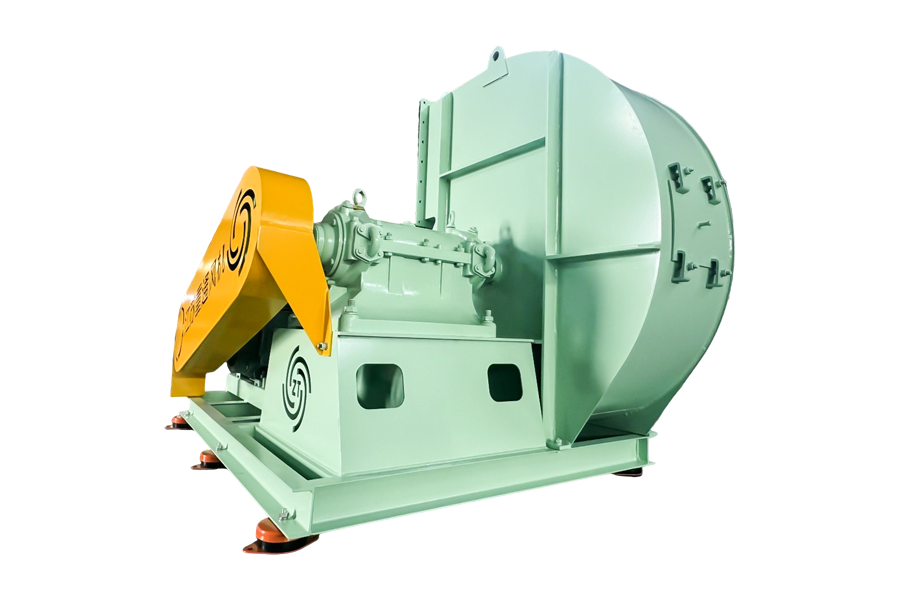
Main fan Product Name Air volume All-in Medium temperature Conveying medium Main fan 1000-30000...
See Details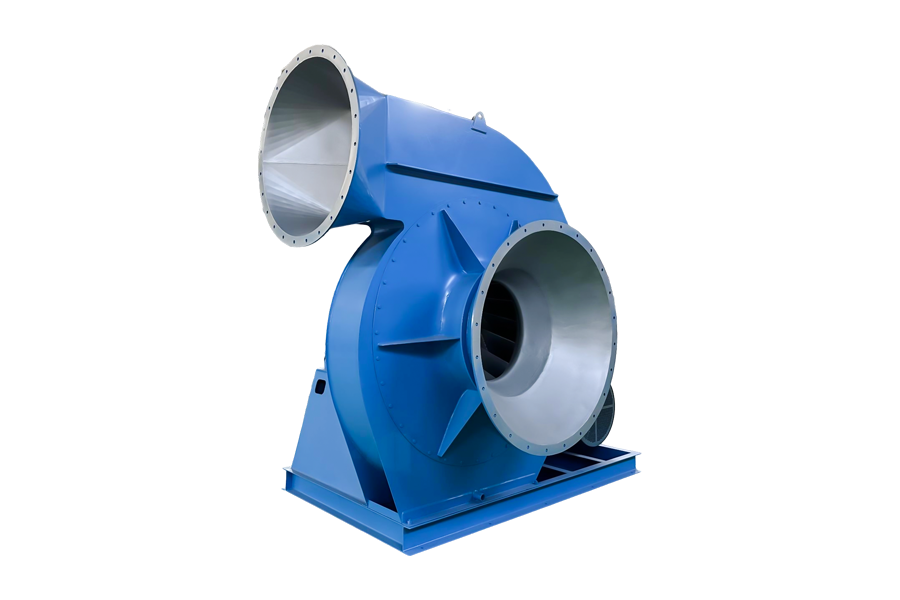
Induced draft fan Product Name Air volume All-in Medium temperature Conveying medium induced dr...
See Details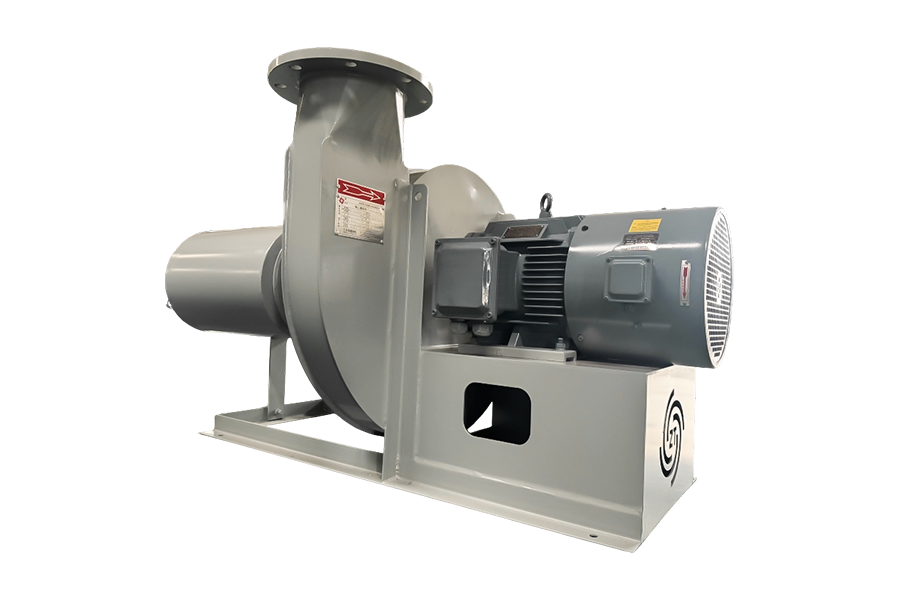
Combustion-supporting fan Product Name Air volume All-in Medium temperature Conveying medium Co...
See Details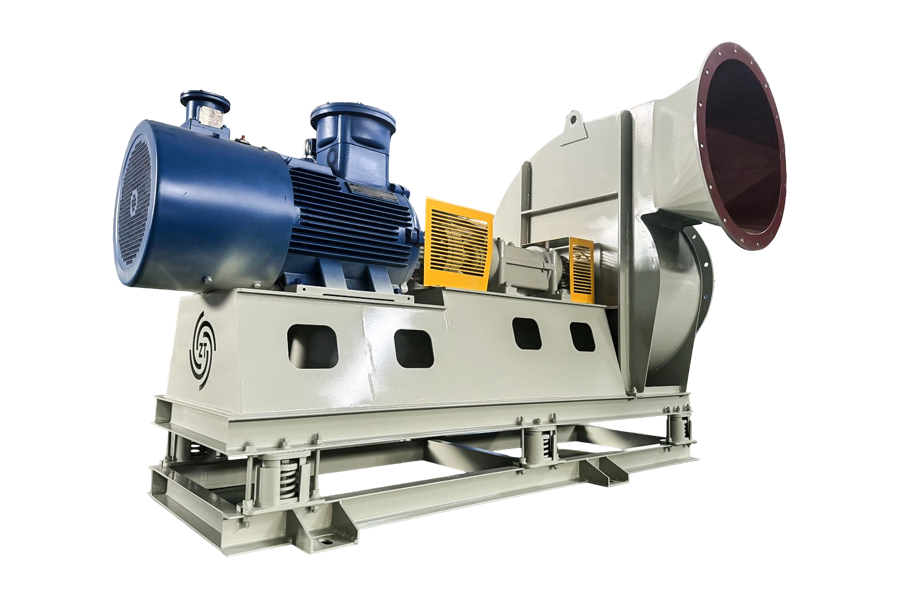
Oxygen supplement fan Product Name Air volume All-in Medium temperature Conveying medium Oxygen...
See Details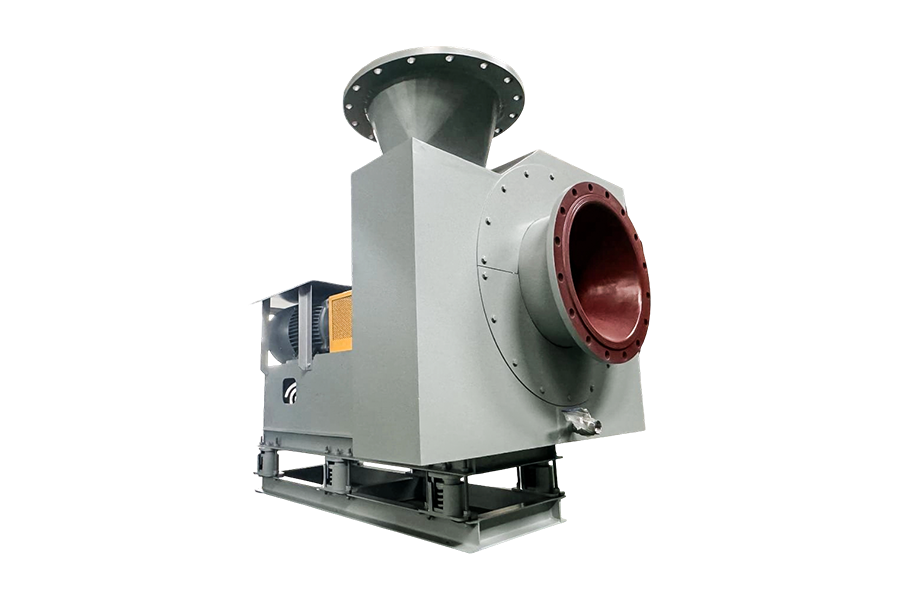
Purge fan Product Name Air volume All-in Medium temperature Conveying medium Purge fan 1000-500...
See Details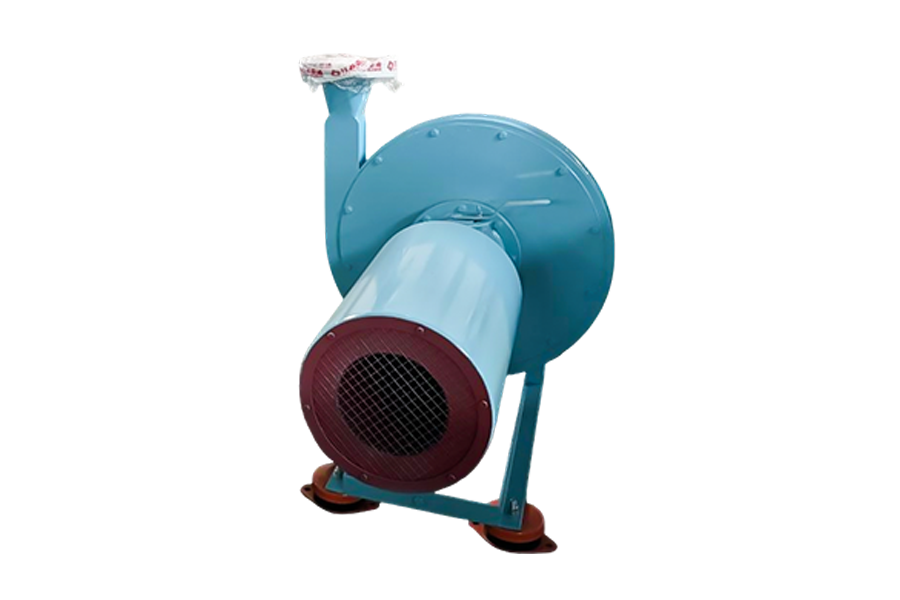
Sealed fan Product Name Air volume All-in Medium temperature Conveying medium Sealed fan 500-10...
See DetailsMobile: +86-188 6157 1101
No.58 Wendong Road, Xushe Town Industrial Zone, Yixing City, Jiangsu Province, China

Copyright © JIANGSU ZT FAN CO.,LTD. All Rights Reserved.
Stainless Steel Centrifugal Fan Manufacturers


+86-188 6157 1101
