
 Contact Us
 Language
 English
 русский
 Español
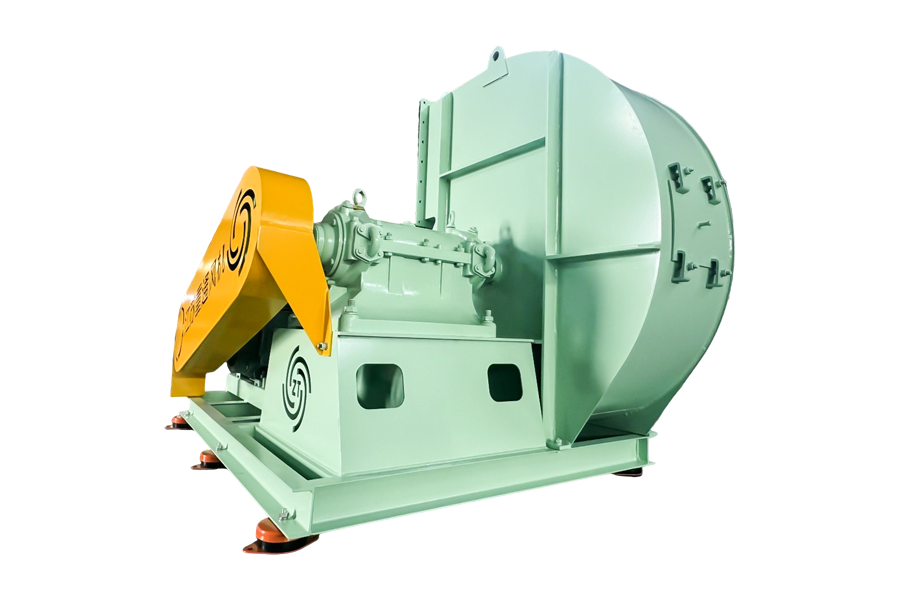
Main fan Product Name Air volume All-in Medium temperature Conveying medium Main fan 1000-30000...
See Details
Content
A Boiler Centrifugal Fan moves combustion air or flue gas through a boiler using centrifugal force generated by a rotating impeller, and it is the standard choice over axial fans for boiler duty because it handles higher static pressure, dust-laden gas, and variable load conditions more reliably. Forced draft fans push fresh air into the furnace and typically handle gas up to around 100 degrees Celsius, while induced draft fans pull hot flue gas out of the furnace and must tolerate temperatures up to roughly 250 to 300 degrees Celsius depending on the boiler design.
Boiler systems almost always specify centrifugal fans over axial fans for two structural reasons: pressure capability and particulate tolerance. Centrifugal fans generate airflow by accelerating gas outward through a curved impeller, which allows them to build higher static pressure in a compact footprint. Axial fans move air in a straight line through the fan axis and are better suited to high volume, low pressure applications like general ventilation, not the resistance created by boiler ductwork, economizers, and dust collection equipment.
| Characteristic | Centrifugal Fan | Axial Fan |
| Static pressure capability | High, suited to ductwork resistance | Low to moderate |
| Dust and particulate handling | Good with backward curved blades | Poor, prone to blade erosion |
| Footprint | Compact, taller housing | Longer, inline duct mounting |
| Typical boiler use | Forced draft and induced draft duty | Rarely used for primary draft |
Because flue gas often carries fly ash and unburned particulate, most boiler operators specify backward curved or backward inclined centrifugal impellers, which resist erosion and buildup far better than forward curved designs.
Temperature tolerance is one of the most important selection criteria, since it determines both the fan casing material and the bearing cooling system required.
Exceeding the rated inlet temperature accelerates bearing wear and can warp the impeller over time, so many induced draft fans include water-cooled or air-cooled bearing housings specifically to manage sustained exposure to hot flue gas.
Forced draft and induced draft fans serve opposite roles within the same combustion airflow path, and confusing the two during specification is a common and costly error.
| Feature | FD Fan | ID Fan |
| Position in system | Before the furnace, pushes air in | After the furnace, pulls gas out |
| Gas handled | Clean ambient combustion air | Hot flue gas with ash particulate |
| Operating temperature | Low, near ambient | High, 200 degrees Celsius or more |
| Construction material | Standard carbon steel | Heat resistant alloy or lined casing |
| Pressure condition | Creates positive pressure in furnace | Creates negative draft, pulling gas through the stack |
Many modern boilers run a balanced draft system, where the FD fan and ID fan work together so the furnace operates at slightly negative pressure, preventing hot gas or flame from escaping through inspection doors while still ensuring complete combustion airflow.
Efficiency ratings near 90.5 percent typically refer to the fan's mechanical or static efficiency at its best efficiency point, meaning the ratio of useful air power output to shaft power input at the design flow and pressure condition. Reaching this figure generally requires a backward curved or airfoil blade design paired with a properly matched motor and variable frequency drive.
| Forward curved centrifugal fan | Typically 60 to 70 percent peak efficiency |
| Backward curved centrifugal fan | Typically 80 to 85 percent peak efficiency |
| Airfoil backward curved fan | Can reach 88 to 90.5 percent peak efficiency |
Operating a fan far from its best efficiency point, such as running a fan sized for full boiler load at only 40 percent throttle without a variable frequency drive, can drop real-world efficiency well below the rated figure, since fixed-speed dampening wastes energy rather than reducing motor draw. Facilities aiming to hold efficiency near the rated 90.5 percent typically pair the fan with a VFD so fan speed, not damper position, controls airflow.
Maintenance spending on boiler fans is driven mostly by bearing wear, impeller erosion from particulate, and periodic balancing rather than catastrophic failure, provided inspections stay on schedule.
| Bearing inspection and lubrication | Monthly, low cost, routine labor only |
| Bearing replacement | Every 2 to 4 years depending on duty cycle and temperature |
| Impeller cleaning or ash removal | Quarterly for ID fans handling ash-laden flue gas |
| Dynamic balancing service | Annually, or after any vibration alarm event |
| Motor and VFD servicing | Annually, moderate cost tied to motor size |
| Typical annual maintenance budget | Roughly 2 to 5 percent of the fan's installed cost |
Induced draft fans consistently cost more to maintain than forced draft fans because they operate at higher temperature and process abrasive particulate, which accelerates impeller wear and shortens bearing life compared with the cleaner air handled by an FD fan. Plants that install ash-resistant blade coatings on ID fans often extend the interval between impeller replacements significantly, offsetting the added coating cost over the equipment's service life.
Correct fan selection comes down to matching four parameters to the boiler's actual operating conditions rather than relying on nameplate horsepower alone.
Your email address will not be published. Required fields are marked*
Main fan Product Name Air volume All-in Medium temperature Conveying medium Main fan 1000-30000...
See Details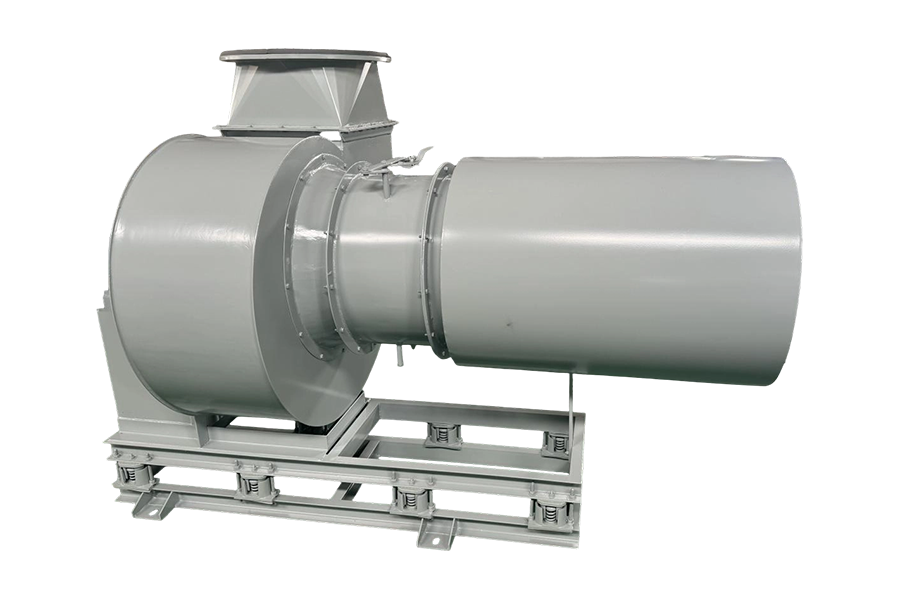
Category: Environmental Protection Industry - Centrifugal Fan for Solid and Liquid Waste Rotary Kiln...
See Details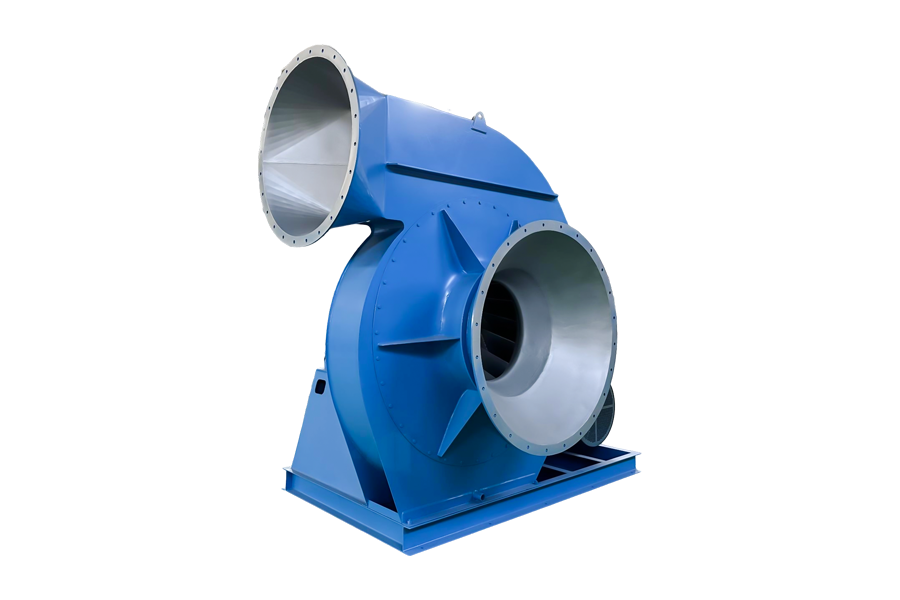
Induced draft fan Product Name Air volume All-in Medium temperature Conveying medium induced dr...
See Details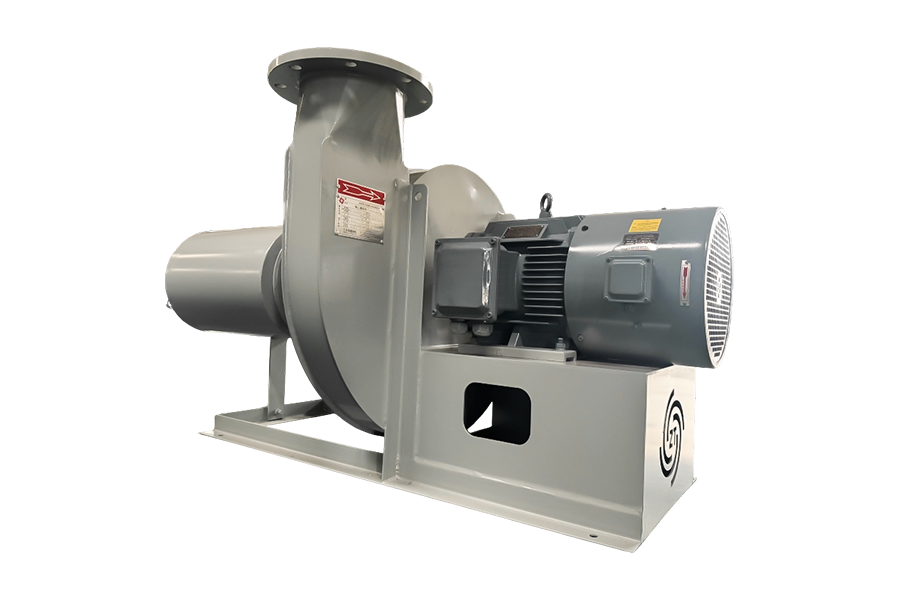
Combustion-supporting fan Product Name Air volume All-in Medium temperature Conveying medium Co...
See Details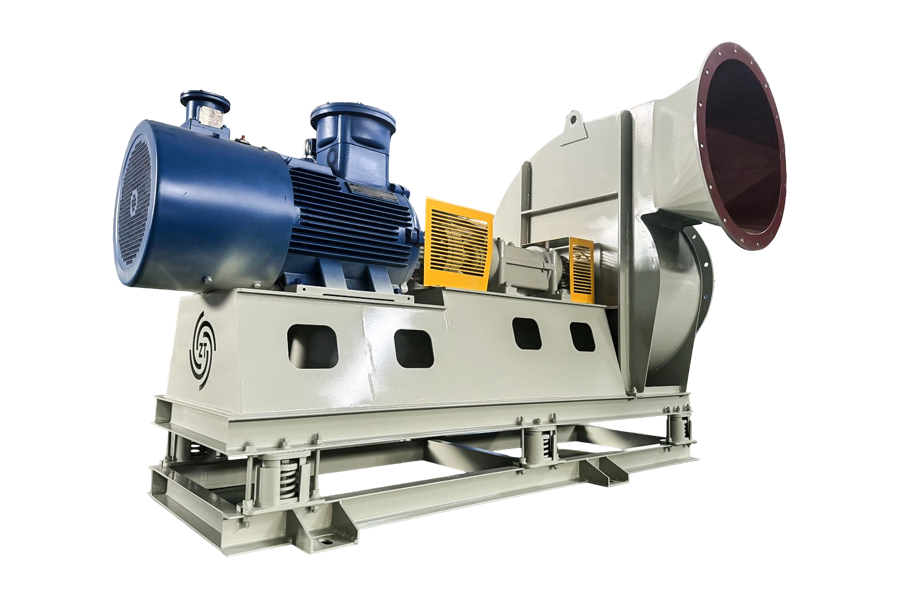
Oxygen supplement fan Product Name Air volume All-in Medium temperature Conveying medium Oxygen...
See Details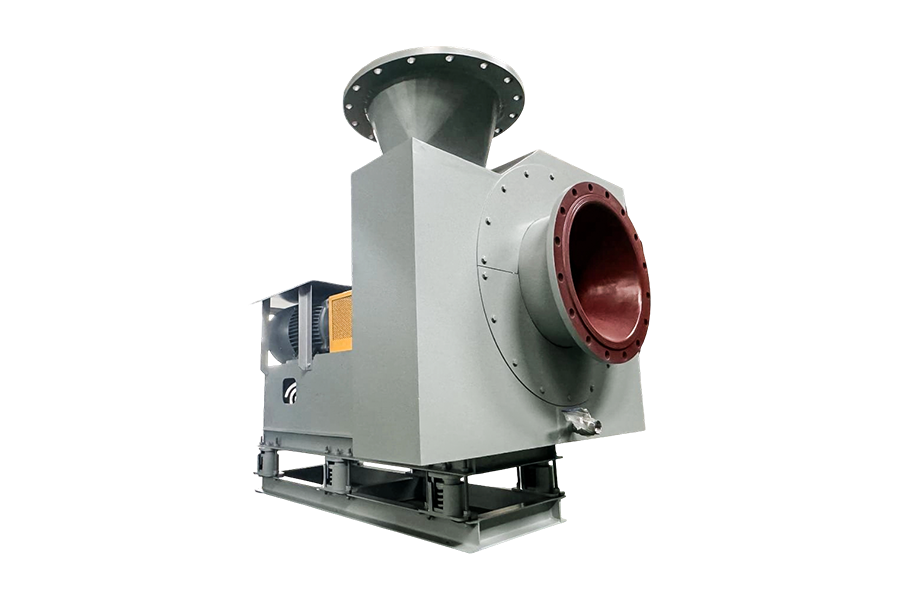
Purge fan Product Name Air volume All-in Medium temperature Conveying medium Purge fan 1000-500...
See DetailsMobile: +86-188 6157 1101
No.58 Wendong Road, Xushe Town Industrial Zone, Yixing City, Jiangsu Province, China

Copyright © JIANGSU ZT FAN CO.,LTD. All Rights Reserved.
Stainless Steel Centrifugal Fan Manufacturers


+86-188 6157 1101
