
 Contact Us
 Language
 English
 русский
 Español
Category: Metallurgical Industry - Melting Furnace Centrifugal Fan exhaust fan Product Name Ai...
See Details
Content
1. In semiconductor manufacturing, the effluent gas streams often contain high concentrations of hydrofluoric acid (HF) and sulfuric acid, making the selection of corrosion-resistant alloys the primary engineering constraint for any Customized Centrifugal Fan. 2. When evaluating how acid vapor affects centrifugal fan impeller longevity, engineers must prioritize alloys with a high Pitting Resistance Equivalent Number (PREN), such as Hastelloy C276 or Inconel 625, to prevent localized pitting and catastrophic failure. 3. For a high-performance Customized Centrifugal Fan, the tensile strength of the chosen alloy (e.g., 690 MPa for Hastelloy C276) must be balanced against its ductility to resist Stress Corrosion Cracking (SCC) in the presence of chloride or fluoride ions. 4. The impact of Fluoropolymer coatings on centrifugal fan maintenance is significant; while alloys provide structural strength, a 1.0 mm PTFE or PFA lining can act as a sacrificial barrier, ensuring the Customized Centrifugal Fan maintains its geometric integrity against aggressive chemical reagents.
1. Why CFD simulation is critical for customized fan design: Since semiconductor scrubbing systems often involve non-standard duct geometries and high-pressure drops across packing media, standard fan curves are insufficient. Computational Fluid Dynamics (CFD) allows for the precise shaping of the impeller blades to maintain peak efficiency. 2. Testing the static pressure of a customized fan in wet scrubber systems requires accounting for the variable density of the gas-vapor mixture; a Customized Centrifugal Fan must be engineered to overcome the resistance of both the chemical spray and the mist eliminator components. 3. Achieving a specific Ra surface finish on the impeller blades (typically below 3.2 micrometers) is vital for minimizing particulate accumulation, which could otherwise cause aerodynamic stall or dynamic imbalance in the Customized Centrifugal Fan assembly. 4. Analyzing the vibration spectrum of customized centrifugal fans ensures that the natural frequencies of the non-standard housing do not coincide with the motor's operating RPM, adhering to AMCA 204 G2.5 vibration standards.
1. Comparing direct-drive vs belt-drive for semiconductor exhaust fans: In cleanroom-adjacent scrubbing systems, direct-drive configurations are preferred to eliminate particulate generation from belt wear, significantly increasing the Mean Time Between Failure (MTBF). 2. The influence of customized volute casing geometry on fan efficiency: By tailoring the expansion ratio of the scroll to the specific mass flow rate of the process, a Customized Centrifugal Fan can achieve static efficiencies exceeding 78 percent, reducing the overall power consumption of the fab's HVAC system. 3. Implementing automatic bearing monitoring in customized fan systems: Utilizing piezoelectric accelerometers allows facility managers to detect early-stage bearing degradation caused by the chemical environment, facilitating predictive maintenance rather than reactive repairs. 4. Alloy Performance and Chemical Resistance Matrix:
| Material Grade | PREN Value | tensile strength (MPa) | Corrosion Resistance Level |
| Standard SS316L | 24 | 485 | Moderate (Pitting Risk) |
| Hastelloy C276 | 45 | 690 | Ultra-High (Acid Vapor) |
| Titanium Grade 2 | N/A | 345 | Excellent (Wet Chlorine) |
| Titanium Grade 5 | N/A | 895 | Superior Strength/Weight |
1. How multi-angle discharge customization improves system footprint: In the constrained spaces of semiconductor sub-fabs, a Customized Centrifugal Fan can be built with 45-degree or 135-degree discharge angles to eliminate the need for restrictive elbows, thereby reducing the Total Equivalent Length (TEL) of the system. 2. Measuring the sound power levels of customized industrial fans: High-frequency noise generated by blade pass frequencies (BPF) can be mitigated by customizing the blade count and using acoustic enclosures, ensuring compliance with strict dB(A) limits in laboratory environments. 3. Optimizing the thermal expansion compensation of customized fans: For processes involving high-temperature flue gases, the shaft assembly of the Customized Centrifugal Fan must include floating bearings and heat-dissipating wheels to maintain alignment at operating temperatures exceeding 200 degrees Celsius.
1. Which alloy is best for a scrubber fan handling Hydrofluoric Acid (HF)? For HF applications, Hastelloy C276 or C22 is recommended due to its high nickel and molybdenum content. In some cases, a Customized Centrifugal Fan made of carbon steel with a thick ebonite or ETFE lining is more cost-effective. 2. How does custom impeller geometry affect the fan's "Stall" point? By customizing the blade pitch and curvature, the stall margin can be increased. This is essential for scrubbing systems where filter loading or spray density varies, causing significant fluctuations in system resistance. 3. What is the typical MTBF for a customized fan in a chemical environment? With proper material selection and direct-drive integration, a Customized Centrifugal Fan can achieve an MTBF of over 50,000 hours, assuming scheduled lubrication and vibration monitoring are performed. 4. Can a customized fan be retrofitted into an existing scrubber system? Yes. Customization allows for the fabrication of a housing that matches existing bolt patterns and inlet/outlet flanges, minimizing ductwork modifications during fab upgrades. 5. Why is G2.5 balancing required for these fans? Because a Customized Centrifugal Fan often uses heavier alloy impellers, the residual unbalance forces are higher. G2.5 balancing ensures that the forces transmitted to the motor bearings are within safe operating limits to prevent fatigue.
1. AMCA Standard 210: Laboratory Methods of Testing Fans for Aerodynamic Performance Rating. 2. API 673: Centrifugal Fans for Petroleum, Chemical, and Gas Industry Services. 3. ASTM G48: Standard Test Methods for Pitting and Crevice Corrosion Resistance of Stainless Steels and Related Alloys.
Your email address will not be published. Required fields are marked*
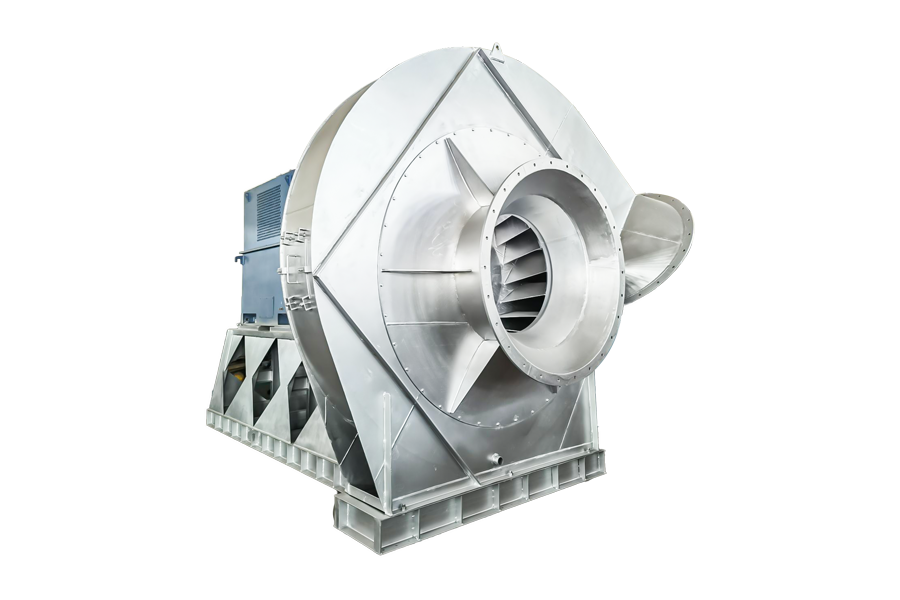
Category: Metallurgical Industry - Melting Furnace Centrifugal Fan exhaust fan Product Name Ai...
See Details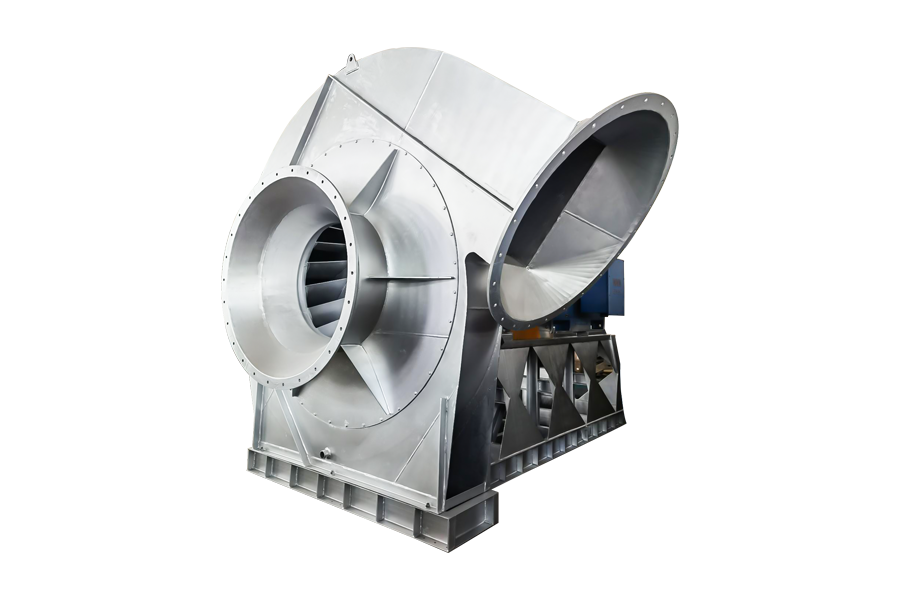
Category: Metallurgical Industry - Roasting Furnace Centrifugal Fan exhaust fan Product Name A...
See Details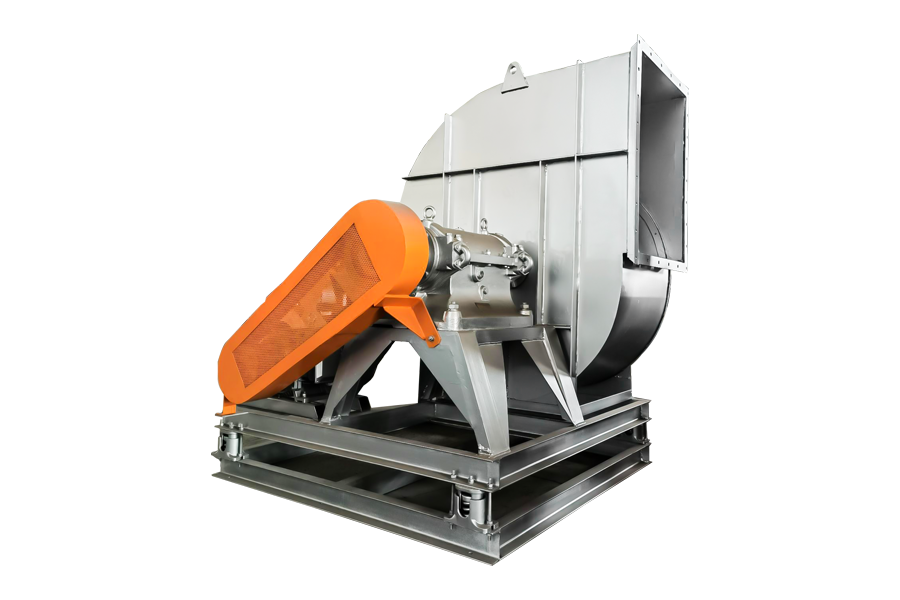
Category: Metallurgical Industry - Roasting Furnace Centrifugal Fan Circulation fan Product Name...
See Details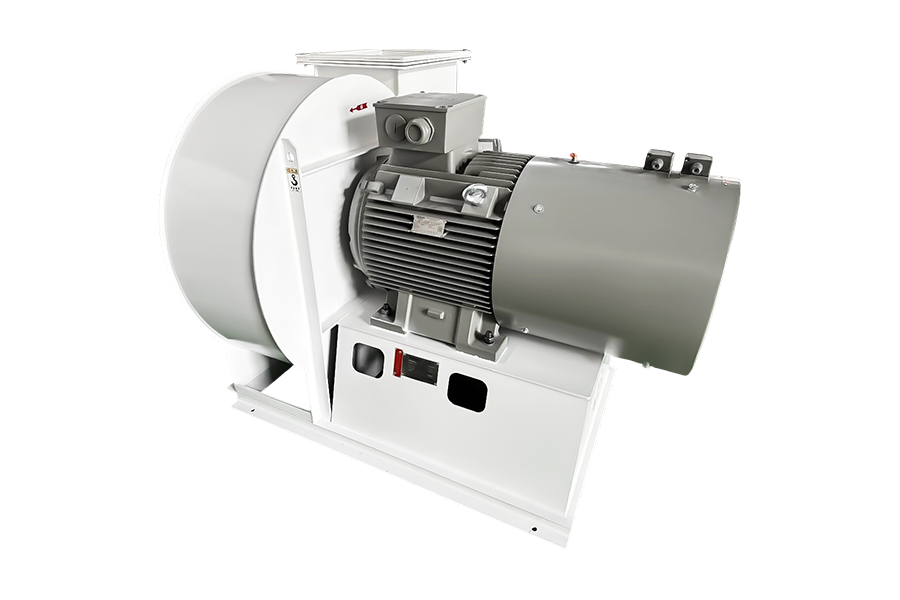
Category: Metallurgical Industry - Roasting Furnace Centrifugal Fan cooling fan Product Name A...
See Details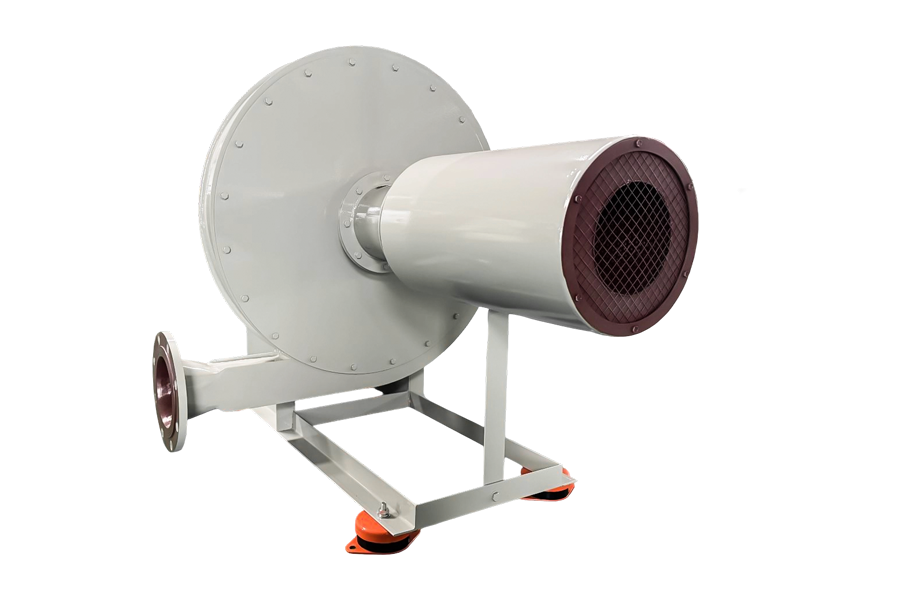
Category: Metallurgical Industry - Melting Furnace Centrifugal Fan Combustion-supporting fan Pro...
See Details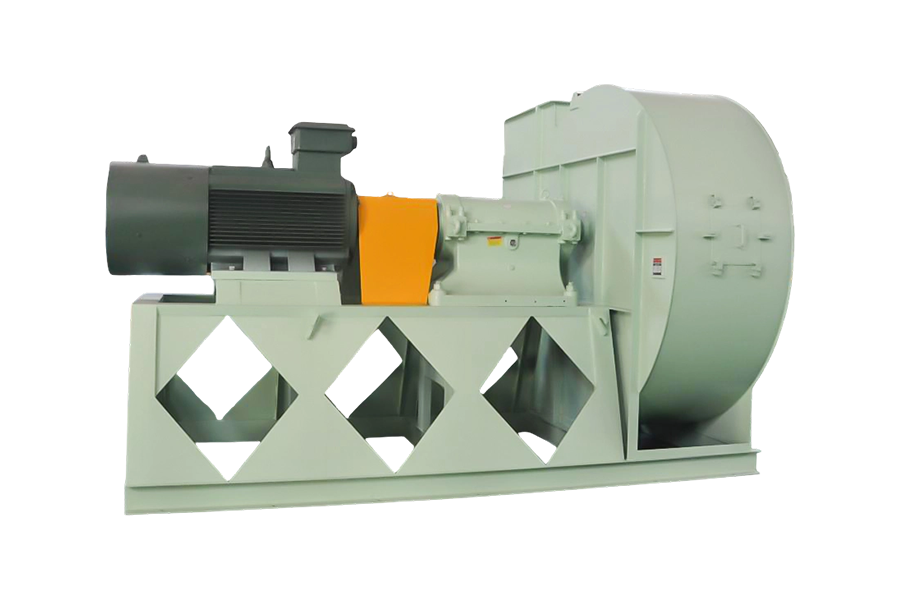
Category: Metallurgical Industry - Melting Furnace Centrifugal Fan cooling fan Product Name Ai...
See DetailsMobile: +86-188 6157 1101
No.58 Wendong Road, Xushe Town Industrial Zone, Yixing City, Jiangsu Province, China

Copyright © JIANGSU ZT FAN CO.,LTD. All Rights Reserved.
Stainless Steel Centrifugal Fan Manufacturers


+86-188 6157 1101
